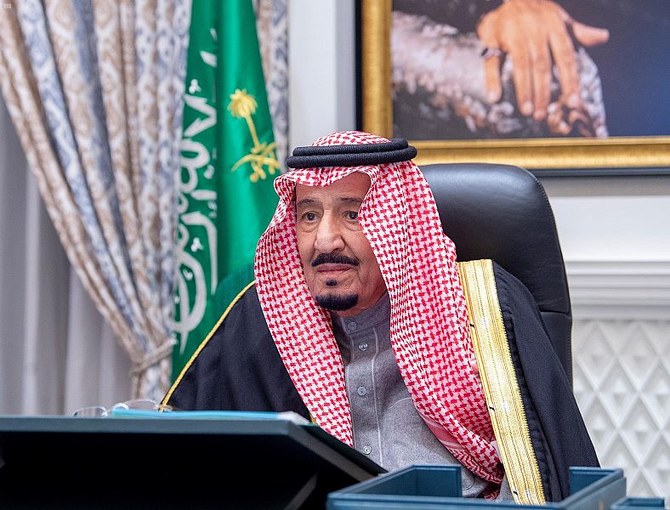
RIYADH: Saudi Arabia is committed to supporting the stability of the oil markets and the sustainability of global supplies, the Kingdom’s cabinet said.
The announcement was made during the cabinet’s weekly meeting, during which the Council of Ministers discussed mitigating the effects of the coronavirus (COVID-19) pandemic, enhancing energy security and the market balance.
Minister of Information Majid Al-Qasabi said the minsters discussed the Kingdom’s statements at the World Energy Forum, the International Energy Agency and OPEC, on the importance of cooperation to face the challenges of the pandemic and limit its impact on global economic growth.
“Saudi Arabia stressed the need to work to overcome the challenges through collective action, dialogue and data transparency in the energy field,” Al-Qasabi said.
The cabinet repeated the Kingdom’s condemnation of cross-border attacks by the Houthi militia in Yemen. Over the past week, the conflict escalated as the Iran-backed group launched missiles and drones toward Saudi Arabia that were intercepted by Arab coalition forces.
The council said it was also hoping for a peaceful resolution to violent protests that erupted in Mogadishu on Friday over delayed elections in Somalia.
On the COVID-19 front, the cabinet was briefed on the latest virus statistics in the Kingdom and progress in the national inoculation campaign. The ministers were also briefed on the resumption of vaccine supplies and the new vaccine centers opened over the past week in the Kingdom.

Saudi Arabia working to enhance energy security - cabinet
https://arab.news/v8dkr
Saudi Arabia working to enhance energy security - cabinet
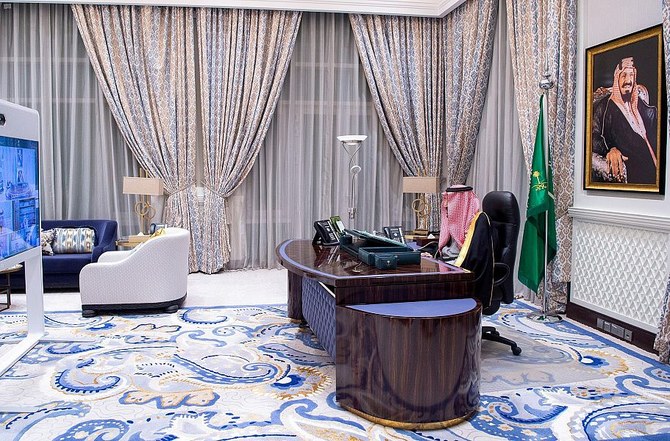
- Cabinet repeated the Kingdom’s condemnation of cross-border attacks by Yemen's Houthi militia
- The council said it was hoping for a peaceful resolution to violent protests in Mogadishu
Economic growth and resilience at heart of 2nd AlUla Emerging Market Economies Conference
- Event on Feb. 8 and 9 will bring together ministers, governors of central banks, policymakers, economic experts and international financial institutions
- Emerging-market economies a ‘pivotal element’ in global economic system due to effect they have on growth and stability, says Saudi Finance Minister Mohammed Al-Jadaan
RIYADH: The second annual AlUla Conference for Emerging Market Economies, which Saudi Arabia will host next week, offers a platform to exchange views on global developments and discuss policies and reforms that support inclusive growth and strengthen economic resilience, the Kingdom’s finance minister said.
The event on Feb. 8 and 9 will bring together finance ministers, governors of central banks and policymakers, alongside economic experts and representatives of international financial institutions.
Organized by the Saudi Ministry of Finance in partnership with the International Monetary Fund, it takes place as emerging-market economies face mounting challenges amid rapid global economic change.
Finance Minister Mohammed Al-Jadaan said the decision to host the conference reflects Saudi Arabia’s ongoing commitment to efforts that support global financial and economic stability, and highlights the growing influence of emerging economies on worldwide growth.
Emerging-market economies represent a “pivotal element” in the global economic system due to the direct impact they have on economic growth and stability, he added.
“The AlUla Conference for Emerging Market Economies provides a unique platform for exchanging views on global economic developments, and discussing policies and reforms that will support inclusive growth and enhance economic resilience, in light of broader international cooperation that contributes to confronting common challenges,” Al-Jadaan said.
Kristalina Georgieva, managing director of the IMF, said the event would help emerging economies deal with growing uncertainty driven by technological change, demographic shifts and geopolitical tensions.
“The AlUla conference provides a vital platform for emerging economies to discuss how they can navigate the risks and embrace the opportunities ahead,” she said.
“In these times of sweeping transformations in the global economy, policymakers face a more challenging and uncertain environment. Countries should work together to strengthen resilience through sound macroeconomic and financial policies.”