- During 2019 visit of Crown Prince Mohammed bin Salman, Saudi Arabia and Pakistan signed seven investment deals worth $21 billion
- Industrialization in Gwadar expected to increase per capita income to $15,000 by year 2025, officials say
GWADAR: The planning process for the country’s largest oil city — which will house a $10 billion Aramco Oil Refinery project — in Pakistan’s southwestern Balochistan province is expected to conclude before the end of the year, Pakistani officials said this week.
The proposed mega oil city will be developed at an area of 80,000 acres in Gwadar District for the refining and processing of petroleum products mainly imported from the Gulf region for local and regional needs.
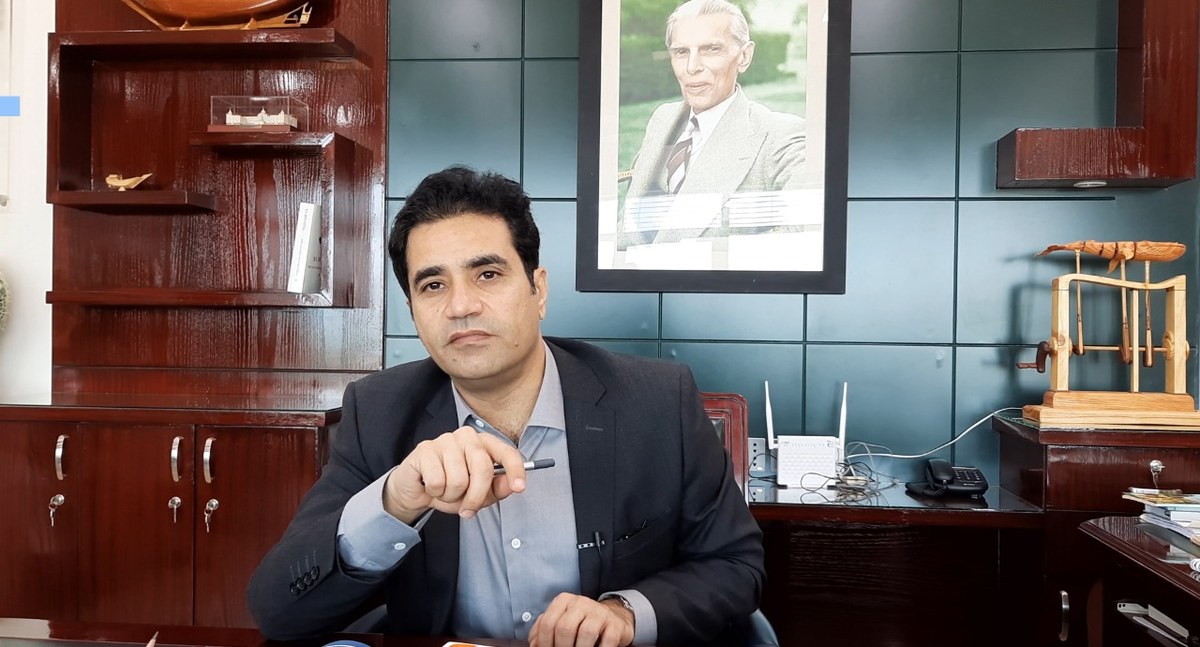
“The planning for the mega oil city which will host Aramco Refinery and petrochemical complex is in progress and we will take 6 to 7 months to complete the master plan,” Shahzeb Khan Kakar, Director General of Gwadar Development Authority (GDA), told Arab News.
During the 2019 visit of Saudi Crown Prince Mohammed bin Salman, Saudi Arabia and Pakistan signed seven investment deals worth $21 billion that included a long-term Aramco oil refinery project, mineral development, two RNLNG power plants, Acwa Power, Saudi Fund for Pakistan, petrochemical project, and food and agriculture projects.
The $10 billion Aramco Oil Refinery with 250,000-300,000 bpd oil refining capacity is expected to take 5-6 years from its inception to commissioning. The project will have a $1 billion petrochemical complex which will lay the foundations of the petrochemical industry in Pakistan with the production of polyethylene and polypropylene.
“Though the federal government is directly dealing with the Saudis, we will invite them after the planning is completed,” Kakar said and added: “The oil city is equally big as Gwadar. We have made the master plan of Gwadar as a smart city at an area of 88,000 acres keeping in view requirements up to 2050.”
Apart from the oil city, authorities in Gwadar are also developing an industrial zone that aims to attract big investment-- which is slated for completion by 2023.
“Industrialization is expected to start from 2023 with the provision of basic utilities including electricity,” Attaullah Jogezai, Managing Director of Gwadar Industrial Estate Development Authority (GIEDA) told Arab News.
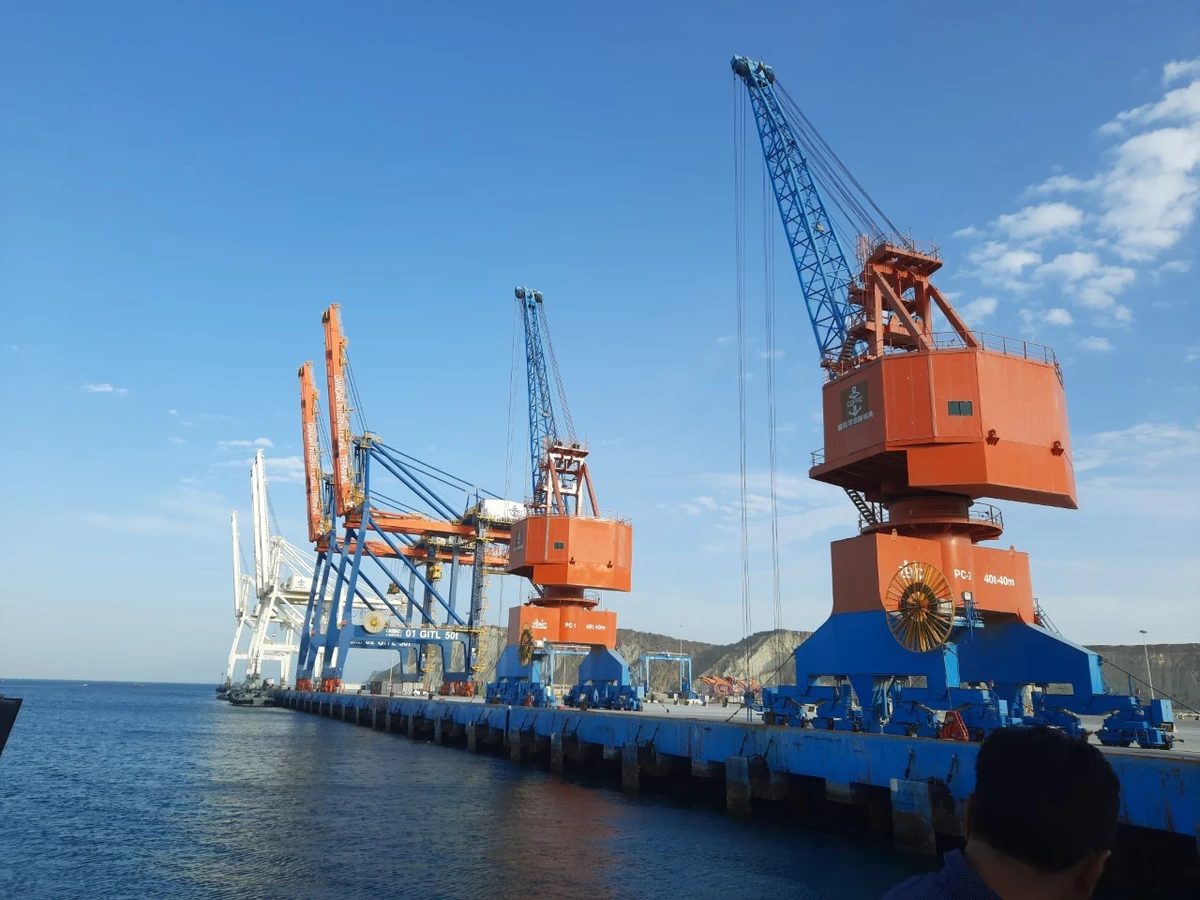
Gwadar is touted as the 'crown jewel' of the multi-billion dollar China Pakistan Economic Corridor (CPEC).
Keeping in view anticipated development projects backed by Saudi and Chinese investment, the GDA chief forecasted that the per capita income of Gwadar would surge to $15,000 by 2050.
“Fisheries, oil refinery, petrochemical complexes, shipyard, tourism industry and most importantly, the operations of Gwadar port will generate huge income and increase per capita income,” Kakar explained.
“This can be achieved by providing electricity, protection and a sound management system.”
Authorities working on a 300 MW coal-fired power plant and a five million gallons per day desalination plant say both projects will be functional by January 2023.
“Regulations have been framed to allocate lands in the industrial zone,” Manzoor Hussain, additional secretary of industries for Balochistan, told Arab News and added: “Now land will be allotted only to those industrialists who will set them up within given timeframe. Our mission is to create employment in the province.”