

Pakistani climber makes record on Kilimanjaro, ascents with Ali Sadpara’s photo 

Pakistani climber Asad Ali Memon carrying Ali Sadpara’s photo poses for a picture at Uhuru peak of Mt. Kilimanjaro, in United Republic of Tanzania on February 16, 2021. (Photo courtesy: Asad Ali Memon)
Short Url
Updated 16 February 2021
Follow

Pakistani climber makes record on Kilimanjaro, ascents with Ali Sadpara’s photo 

  • Asad Ali Memon becomes the first Asian and Pakistani to summit Kilimanjaro in less than 24 hours
  • Memon honored missing climber Ali Sadpara at the top of Africa’s tallest peak

ISLAMABAD: Pakistani climber Asad Ali Memon said on Tuesday he made history on Kilimanjaro mountaintop with climbing hero Ali Sadpara on his mind. Memon, 23, ascended the tallest mountain in Africa in less than 24 hours, setting the record as the fastest Asian and Pakistani to accomplish the feat. 

“When I reached the top, I had Ali Sadpara’s photo with me,” Memon told Arab News over the phone from Tanzania. “I wanted him to be there at the summit with me.”

Sadpara, 45, was attempting a winter ascent of K2, the world’s second tallest mountain, when he went missing, along with two other expedition members, on February 5. The group strived to summit the mountain only a few days after a team from Nepal accomplished the feat in January this year. 
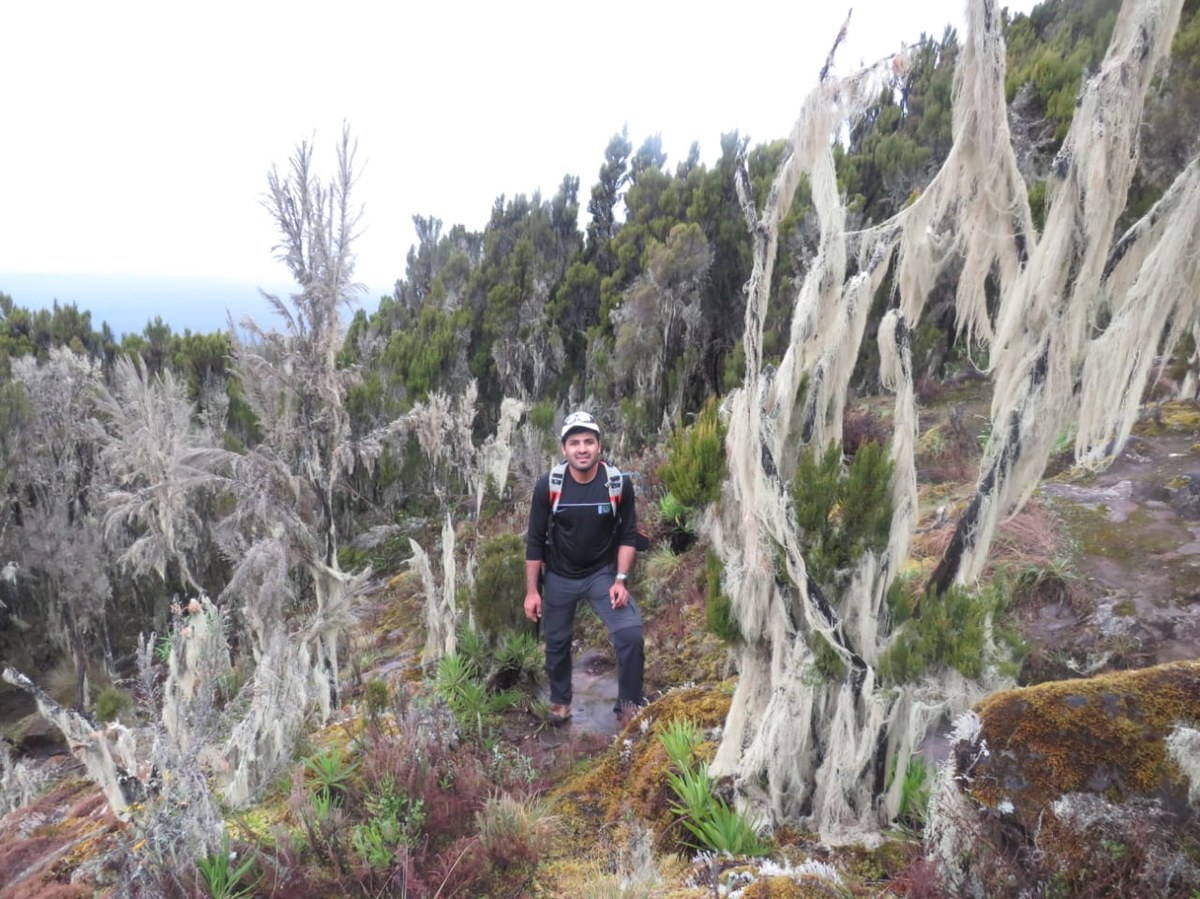


Asad Ali Memon, 23, summits Kilimanjaro in Tanzania on February 15, 2021. (Photo courtesy: Asad Ali Memon) 

“It’s sad to see what happened, but that’s what mountaineering is like,” said Memon, who himself faced unexpected weather conditions that delayed his climb and forced him to descend the mountain in the dark. “Getting to the top was easy, getting down was difficult.” 


A post shared by Asad Memon (@asadmnpak)

Kilimanjaro stands at 5,895 meters (19,341 feet) above sea level and about 4,900 meters (16,100 ft) above its plateau base. Memon scaled it in 20 hours, an accomplishment that was shared by the Pakistan embassy in Tanzania.
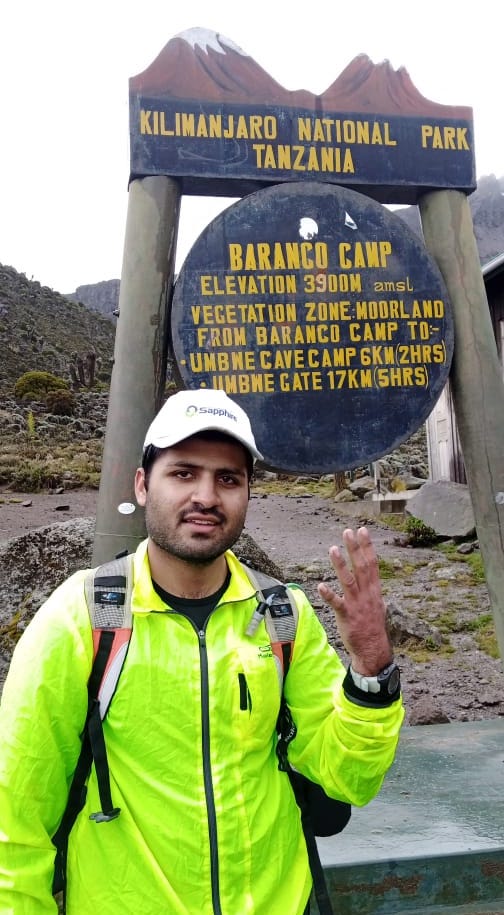


Asad Ali Memon on his ascent of Kilimanjaro in Tanzania on February 15, 2021. (Photo courtesy: Asad Ali Memon) 

He told Arab News he was not aiming to make a record when he first decided to go to Kilimanjaro. In fact, he went to Tanzania when his plan to visit Alaska in the United States was thwarted due to virus-related travel restrictions. 

“Even after doing initial research, I didn’t realize a record could be made here,” he said. “Then I found out that no one from Asia, let alone Pakistan, had summited Kilimanjaro in less than 24 hours. From that point on, I was truly motivated. I started training and left for the climb after three months.” 


Asad Ali Memon becomes first Asian and Pakistani to summit Kilimanjaro in Tanzania in less than 24 hours on February 15, 2021. (Photo courtesy: Asad Ali Memon) 

Memon, who hails from Larkana in Pakistan’s Sindh province, decided at a young age that he wanted to join the world of extreme sports. Mountaineering became his profession after he studied it for some time in Islamabad. 

He self-financed his ventures, climbing mountains in places like Africa, South America and Russia. Now he hopes for financial support to summit the tallest peaks on all seven continents. 
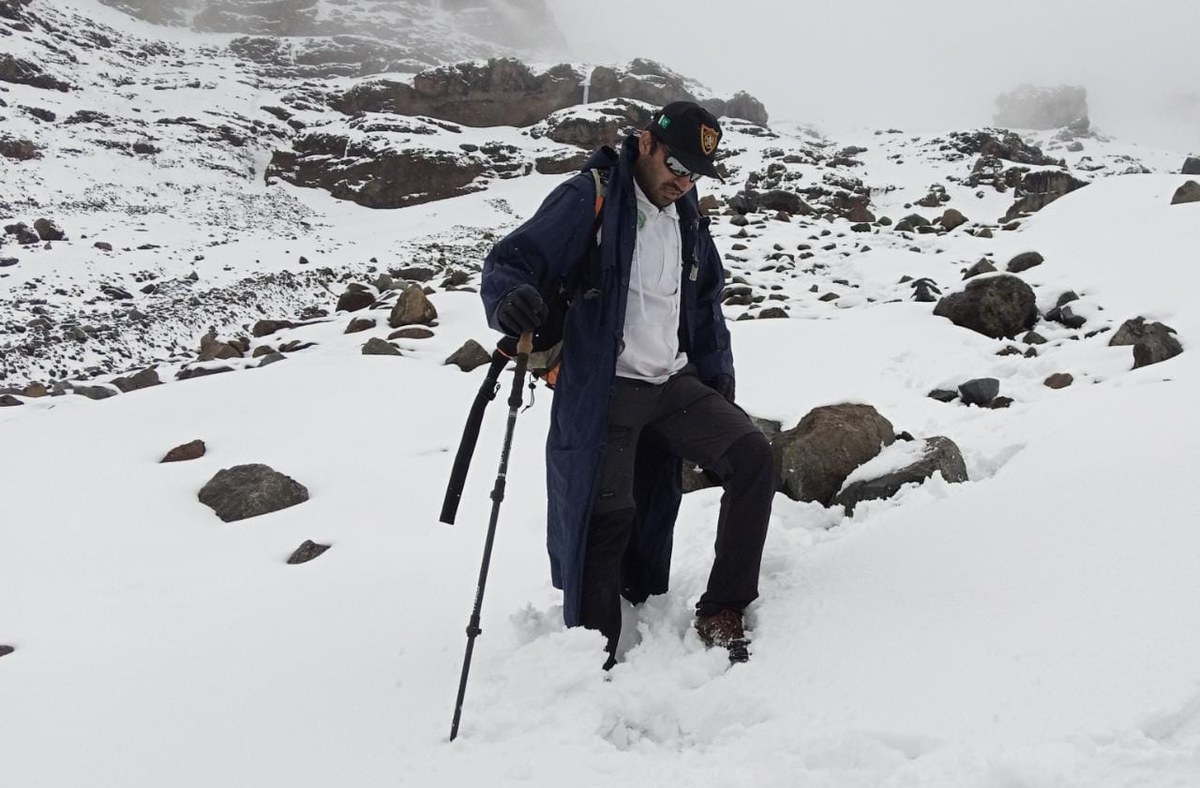


Asad Ali Memon treks to the top of Kilimanjaro in Tanzania on February 15, 2021. (Asad Ali Memon)

“Sponsorships can make it happen,” said Memon. “I will go to Antarctica, Alaska and do my best to climb K2. My plans are in place, and I just need to work out the financial side of it.” 


EU, Pakistan sign €60 million loan agreement for clean drinking water in Karachi

Updated 17 December 2025
Follow

EU, Pakistan sign €60 million loan agreement for clean drinking water in Karachi

  • Project will finance rehabilitation, construction of water treatment facilities in Karachi city, says European Investment Bank
  • As per a report in 2023, 90 percent of water samples collected from various places in city was deemed unfit for drinking

ISLAMABAD: The European Investment Bank (EIB) and Pakistan’s government on Wednesday signed a €60 million loan agreement, the first between the two sides in a decade, to support the delivery of clean drinking water in Karachi, the EU said in a statement. 

The Karachi Water Infrastructure Framework, approved in August this year by the EIB, will finance the rehabilitation and construction of water treatment facilities in Pakistan’s most populous city of Karachi to increase safe water supply and improve water security. 

The agreement was signed between the two sides at the sidelines of the 15th Pak-EU Joint Commission in Brussels, state broadcaster Radio Pakistan reported. 

“Today, the @EIB signed its first loan agreement with Pakistan in a decade: a €60 million loan supporting the delivery of clean drinking water for #Karachi,” the EU said on social media platform X. 

Radio Pakistan said the agreement reflects Pakistan’s commitment to modernize essential urban services and promote climate-resilient infrastructure.

“The declaration demonstrates the continued momentum in Pakistan-EU cooperation and highlights shared priorities in sustainable development, public service delivery, and climate and environmental resilience,” it said. 

Karachi has a chronic clean drinking water problem. As per a Karachi Water and Sewerage Corporation (KWSC) study conducted in 2023, 90 percent of water from samples collected from various places in the city was deemed unsafe for drinking purposes, contaminated with E. coli, coliform bacteria, and other harmful pathogens. 

The problem has forced most residents of the city to get their water through drilled motor-operated wells (known as ‘bores’), even as groundwater in the coastal city tends to be salty and unfit for human consumption.

Other options for residents include either buying unfiltered water from private water tanker operators, who fill up at a network of legal and illegal water hydrants across the city, or buying it from reverse osmosis plants that they visit to fill up bottles or have delivered to their homes.

The EU provides Pakistan about €100 million annually in grants for development and cooperation. This includes efforts to achieve green inclusive growth, increase education and employment skills, promote good governance, human rights, rule of law and ensure sustainable management of natural resources.