

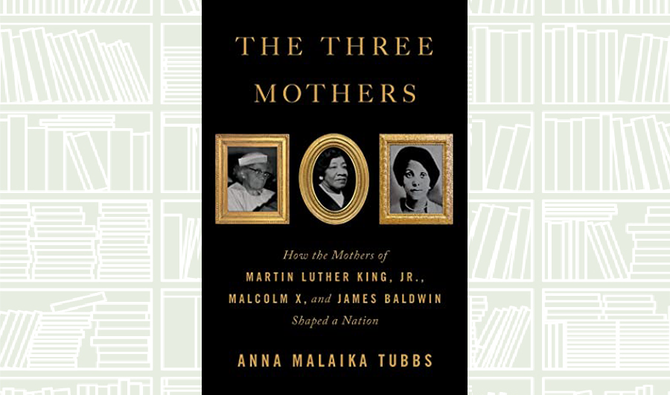
What We Are Reading Today: The Three Mothers by Anna Malaika Tubbs

Short Url
Updated 04 February 2021
Follow

What We Are Reading Today: The Three Mothers by Anna Malaika Tubbs

In her groundbreaking and essential debut The Three Mothers, scholar Anna Malaika Tubbs celebrates motherhood by telling the story of the three women who raised and shaped some of America’s most pivotal heroes: Martin Luther King, Jr., Malcolm X, and James Baldwin.

The book “makes real the foundation of three American icons allowing us to gain a deeper and more nuanced understand of these men,” said a review published in goodreads.com. 

“Uplifting and touching at the same time, this book depicts the strength and courage of these mothers as they fight to raise their families. Their stories reach through history to strike an accord as these themes replay today,” said the review. 

The author “has applied a fresh perspective to a time in history marked by the struggles of the long civil rights movement,” the review said. “In this book, we get a rich history of so many places, people, and generations, yet it was woven into a narrative form that makes it highly digestible.” 

It added: “This story of the mothers who gave us some of the most inspirational leaders of our time is a must read.”


What We Are Reading Today: ‘Fixed’

Updated 22 December 2025
Follow

What We Are Reading Today: ‘Fixed’

Authors: John Y. Campbell and Tarun Tamadorai

We interact with the financial system every day, whether taking out or paying off loans, making insurance claims, or simply depositing money into our bank accounts. 

“Fixed” exposes how this system has been corrupted to serve the interests of financial services providers and their cleverest customers—at the expense of ordinary people.

John Campbell and Tarun Ramadorai diagnose the ills of today’s personal finance markets in the US and across the globe, looking at everything from short-term saving and borrowing to loans for education and housing, financial products for retirement, and insurance. 

They show how the system is “fixed” to benefit those who are wealthy and more educated while encouraging financial mistakes by those who are aren’t, making it difficult for regular consumers to make sound financial decisions and disadvantaging them in some of the most consequential economic transactions of their lives.