

257,000 expats leave the Saudi labor market in Q3 2020: Official figures

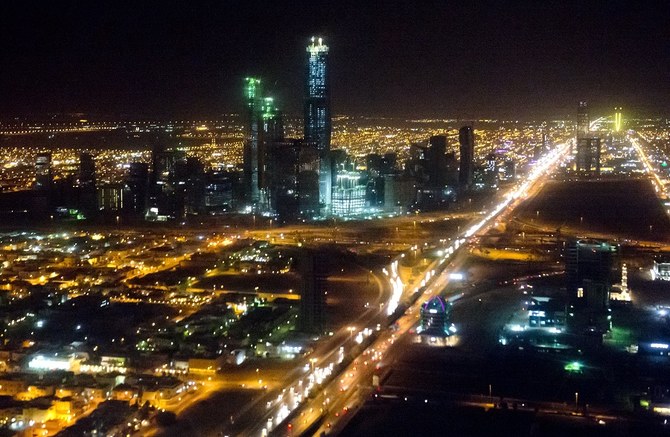
The number of Saudis employed in the labor market rose by 81,900 quarter-on-quarter (QoQ), reaching 3.25 million, during the same period. (File/AFP)
Short Url
Updated 24 January 2021
Follow

257,000 expats leave the Saudi labor market in Q3 2020: Official figures

  • The Saudi labor market was affected by the coronavirus outbreak during Q2 and Q3 2020

The number of expatriates working in Saudi Arabia fell by 257,200 during the third quarter of 2020 compared to the second quarter, according to labor force survey conducted by the General Authority for Statistics.

On the other hand, the number of Saudis employed in the labor market rose by 81,900 quarter-on-quarter (QoQ), reaching 3.25 million, during the same period.

The Saudi labor market was affected by the coronavirus outbreak during Q2 and Q3 2020.


Restaurants helps POS spending stay above $3bn: SAMA

Updated 19 December 2025
Follow

Restaurants helps POS spending stay above $3bn: SAMA

RIYADH: Spending in restaurants and cafes helped Saudi Arabia’s weekly point-of-sale transactions stay above the $3 billion mark during the week ending Dec. 13, coming in at SR13.31 billion ($3.54 billion).

According to the latest data from the Saudi Central Bank, expenditure in the sector reached SR1.73 billion, marking a 3.7 percent week-on-week increase, with the number of transactions surging by 3.2 percent to 58.49 million.

Despite this surge, the overall POS value dropped 7.9 percent, with transactions representing a 0.03 percent weekly decrease to 236.12 million.

The seven-day period saw broad declines across several sectors. Spending on freight transport, postal, and courier services recorded the sharpest drop, falling 43.3 percent to SR34.57 million. Education followed with a 42.9 percent decrease to SR124.91 million, while expenditure on laundry services declined by 15.6 percent to SR51.58 million.

Expenditure on apparel and clothing fell by 8.7 percent, and spending on telecommunications dropped by 15.5 percent. In contrast, jewelry was the only category to register growth, edging up 1.2 percent to SR329.70 million.

Spending on car rentals declined by 7.2 percent, and airline expenditure fell by 4.1 percent to SR44.39 million.

Expenditure on food and beverages saw a 14.3 percent decrease to SR2.01 billion, claiming the largest share of the POS, followed by restaurants and cafes, which retained the second position.

The Kingdom’s key urban centers mirrored the national decline. Riyadh, which accounted for the largest share of total POS spending, saw a 5.2 percent dip to SR4.63 billion, down from SR4.89 billion the previous week. 

The number of transactions in the capital settled at 74.57 million, up 0.5 percent week-on-week.

In Jeddah, transaction values decreased by 7.1 percent to SR1.77 billion, while Dammam reported an 8.7 percent dip to SR651.55 million.

POS data, tracked weekly by SAMA, provides an indicator of consumer spending trends and the ongoing growth of digital payments in Saudi Arabia. 

The data also highlights the expanding reach of POS infrastructure, extending beyond major retail hubs to smaller cities and service sectors, supporting broader digital inclusion initiatives. 

The growth of digital payment technologies aligns with the Kingdom’s Vision 2030 objectives, promoting electronic transactions and contributing to the nation’s broader digital economy.