

Pakistan’s Shahmir Khaliq appointed head of Treasury and Trade Solutions for Citi

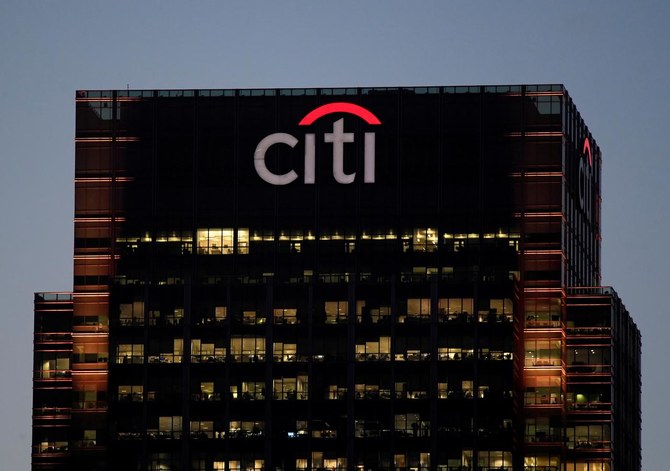
Workers are seen at Citibank offices in the Canary Wharf financial district in London, Britain, November 17, 2017. (REUTERS/File)
Short Url
Updated 14 January 2021
Follow

Pakistan’s Shahmir Khaliq appointed head of Treasury and Trade Solutions for Citi

  • He has been with Citigroup Inc. for nearly three decades and held several leadership roles at the bank
  • Khaliq has degrees from the London Business School, London School of Economics and University of Karachi

Bengaluru: Citigroup Inc. this week named Shahmir Khaliq as its head of Treasury and Trade Solutions (TTS) effective immediately, according to a memo sent to Reuters by a company spokesperson.

Khaliq, who was the head of Operations and Technology at TTS, has also served as the company’s global head of Direct Custody & Clearing within Markets and Securities Services unit.
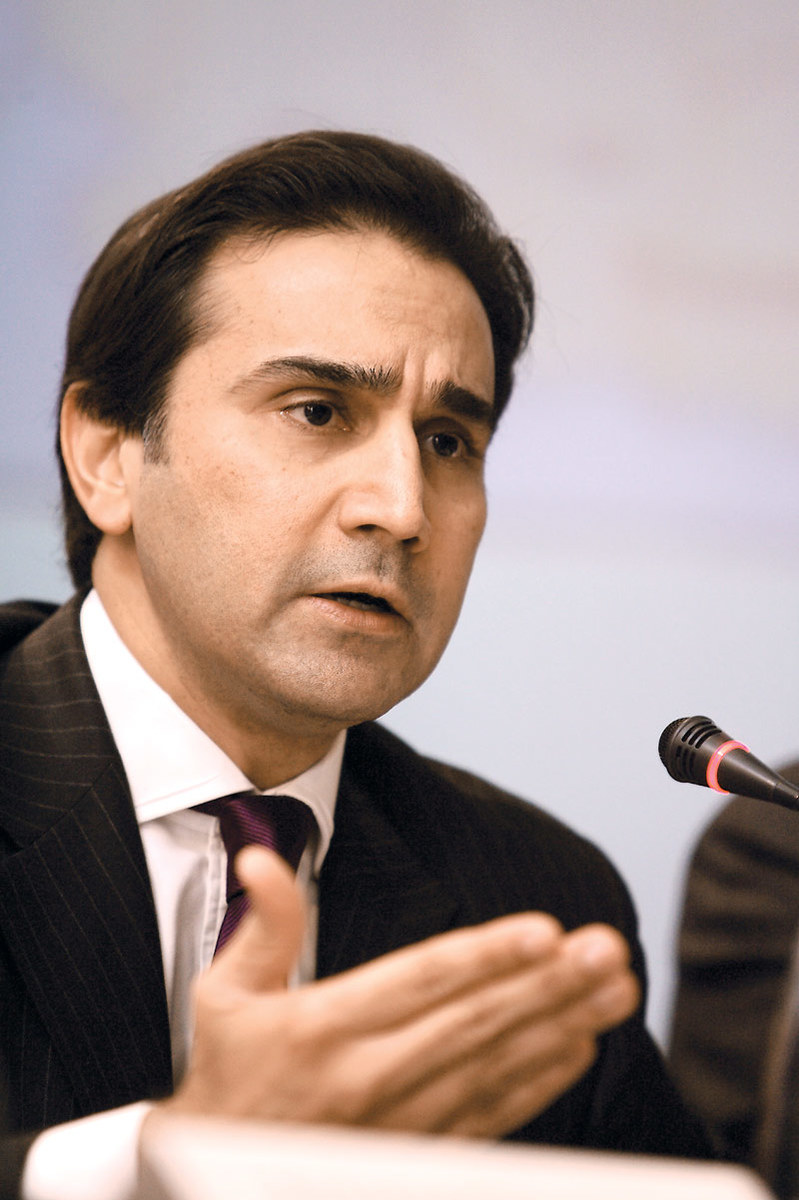


This is an undated photo of Shahmir Khaliq appointed as the head of Treasury and Trade Solutions for Citigroup Inc. (Photo courtesy:
Ziarul Financiar website)

He has been with Citi for nearly three decades and has held several leadership roles within the bank’s Country Management (CCO), Banking, Markets and Securities Services and Treasury services divisions.

Khaliq has degrees in finance and economics from the London Business School and London School of Economics. He also has an MBA from the University of Karachi.


Pakistan says economy stabilizing as it looks to 2026 growth

Updated 4 sec ago
Follow

Pakistan says economy stabilizing as it looks to 2026 growth

  • Inflation averages 5 percent, remittances hit $16.1 billion as government cites signs of recovery
  • IT exports, industry and development spending highlighted as focus shifts to next year’s targets

ISLAMABAD: Pakistan’s economy has shown signs of stabilization in the first half of the current fiscal year, Planning Minister Ahsan Iqbal said on Thursday, as the government looks ahead to sustaining growth momentum into 2026 after several years of economic volatility.

Briefing the media on economic performance through November, Iqbal said key indicators including inflation, industrial output, exports, remittances and fiscal revenues had improved, creating what he described as a more stable base for forward planning.

Pakistan has spent much of the past two years navigating high inflation, external financing pressures and fiscal tightening under an IMF-backed reform program. While growth remains modest, officials say recent data suggests the economy has moved out of crisis mode and into a consolidation phase.

“During July to November of fiscal year 2025–26, stability has returned to Pakistan’s economy,” Iqbal said, adding that average inflation during the period stood at around 5 percent, compared with 7.9% last year, easing pressure on households and businesses.

Large-scale manufacturing posted growth of 4.1 percent, which Iqbal described as “clear evidence of recovery in industrial activity.”

The planning minister said government revenues also improved, with Federal Board of Revenue collections reaching Rs4,733 billion ($16.9 billion) during July–November, reflecting a 10.2% increase.

External inflows remained resilient, with workers’ remittances rising 9.3% to $16.1 billion, while IT services exports increased 19% to $1.8 billion over the same period, he said.

On the public investment side, Iqbal said Rs196 billion ($700 million) were released under the development budget during the quarter, of which Rs92 billion ($329 million) had already been spent. He added that cost rationalization in development projects between July and October saved Rs3.3 billion ($11.8 million) billion in public funds.

In November, the planning minister said, the Central Development Working Party approved 10 development projects, while six major schemes were referred to the Executive Committee of the National Economic Council.

Iqbal said the approved projects were expected to create 994 immediate jobs, with nearly 24,859 direct and 40,873 indirect employment opportunities projected overall.

Looking ahead, he said all future development schemes would be required to comply with green building codes to ensure environmental protection and sustainable growth.

He also highlighted skills and innovation initiatives, saying that under the “Uraan Pakistan” program, partnerships with Oxford and Cambridge universities were being pursued to promote research, technology and innovation.

Under an IT industry revival plan, he said more than 20,000 young people were being trained in advanced technologies, with over 14,000 new jobs expected to be created.

The government has said maintaining macroeconomic stability while gradually lifting growth remains its central challenge as Pakistan moves into 2026, with officials emphasising disciplined spending, export growth and job creation as key priorities.