BEIRUT: The World Bank approved a $246 million loan to Lebanon to provide emergency cash assistance to nearly 800,000 Lebanese reeling under the country’s compounded economic and health crises.
The World Bank said in a statement late Tuesday the loan would also support the development of a national social safety net in Lebanon, which was struggling with a financial crisis before the pandemic struck, driving nearly half the population of the small country of 6 million into poverty. Over 1 million refugees from Syria live in Lebanon.
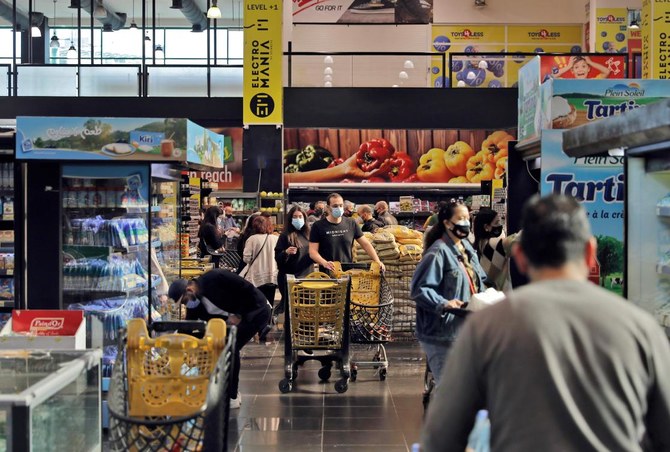
The economic crisis has led to a projected 19.2 percent decline in gross domestic product, triple-digit inflation and is pushing 1.7 million people below the poverty line. Some 22 percent of the population is expected to fall into extreme poverty.
International donors have been dispensing direct humanitarian assistance to Lebanon. But in the absence of major structural reforms, talks with the International Monetary Fund that began last summer have failed to produce a rescue package for the cash-strapped government.
The deepening crisis has depleted foreign reserves in the import-dependent country and sent the local currency tumbling, losing nearly 80 percent of its value before the dollar. The government is discussing ways to lift subsidies from some basic goods and has already increased the price of flour and basic bread.
Meanwhile, a surge in coronavirus infections – hovering at around 4,000 new cases a day in recent days – and a strained health care system have compounded concerns. A massive explosion last summer in Beirut Port ravaged the city, killing over 200 and wounding 6,000.
“The consequences of these repeated shocks on the economic well-being of households is far-reaching and potentially disastrous”, said World Bank Regional Director Saroj Kumar Jha.
The loan will provide cash assistance for a year to 147,000 extremely poor Lebanese households, or around 786,000 individuals, through a pre-paid electronic card.
The loan also includes school fees for some 87,000 children between ages 13-18. It will also help Lebanon develop a social registry to determine who would be in need of assistance in the future.
Lebanon has not had a census since 1932, when Christians were a majority. The country has a delicate sectarian balance and now the nation of five million is believed to be equally split between a third Christian, a third Sunni and a third Shiites.


![]()

World Bank approves cash assistance to crisis-struck Lebanon
Short Url
https://arab.news/zbrrx
World Bank approves cash assistance to crisis-struck Lebanon
- The economic crisis has led to a projected 19.2 percent decline in gross domestic product and a triple-digit inflation


Latest updates



© 2026 SAUDI RESEARCH & PUBLISHING COMPANY, All Rights Reserved And subject to Terms of Use Agreement.