
Pakistan suspends power plant staff after nationwide blackout

Motorists drive through a residential area during a power blackout in Pakistan's port city of Karachi early on Jan. 10, 2021. (AFP)
Short Url
Updated 11 January 2021
Follow

Pakistan suspends power plant staff after nationwide blackout

  • Blackout hit all of Pakistan's major cities, lasting around 18 hours in most areas
  • Country’s electricity supply system is a delicate web, and a problem in one section of the grid can lead to breakdowns countrywide

ISLAMABAD: Seven staff at one of Pakistan's biggest power plants have been suspended after a technical fault sparked a massive grid breakdown at the weekend, plunging the entire country into darkness.
The blackout hit all of Pakistan's major cities, including the capital Islamabad, economic hub Karachi and the second-largest city Lahore, lasting around 18 hours in most areas.
The employees at Guddu thermal power plant in Sindh province were suspended "on account of the negligence of duty", according to the Central Power Generation Company, which operates the facility.
Guddu plant, built in the 1980s, is one of the country's largest and generates power from furnace oil and natural gas.
The suspended staff included a manager and six junior employees.
The blackout, which started shortly before midnight on Saturday, was caused by an engineering fault which tripped the system and caused power plants across the country to shut down.
Pakistan's electricity supply system is a complex and delicate web, and a problem in one section of the grid can lead to cascading breakdowns countrywide.
There were no reports of disruption at hospitals, however, which often rely on backup generators.
The outage marked Pakistan's second major power breakdown in less than three years.
In May 2018, power was partially disrupted for more than nine hours, while in 2015 an apparent rebel attack on a key supply line plunged around 80 percent of the country into darkness.
Pakistan, UAE review bilateral ties, economic and trade cooperation

Updated 7 sec ago
Follow

Pakistan, UAE review bilateral ties, economic and trade cooperation

  • UAE Ambassador Salem Mohammed Al Zaabi meets Pakistan’s deputy PM, ministers of defense, finance and IT
  • UAE is Pakistan’s third-largest trading partner after China and the US, and home to around 2 million Pakistani expats

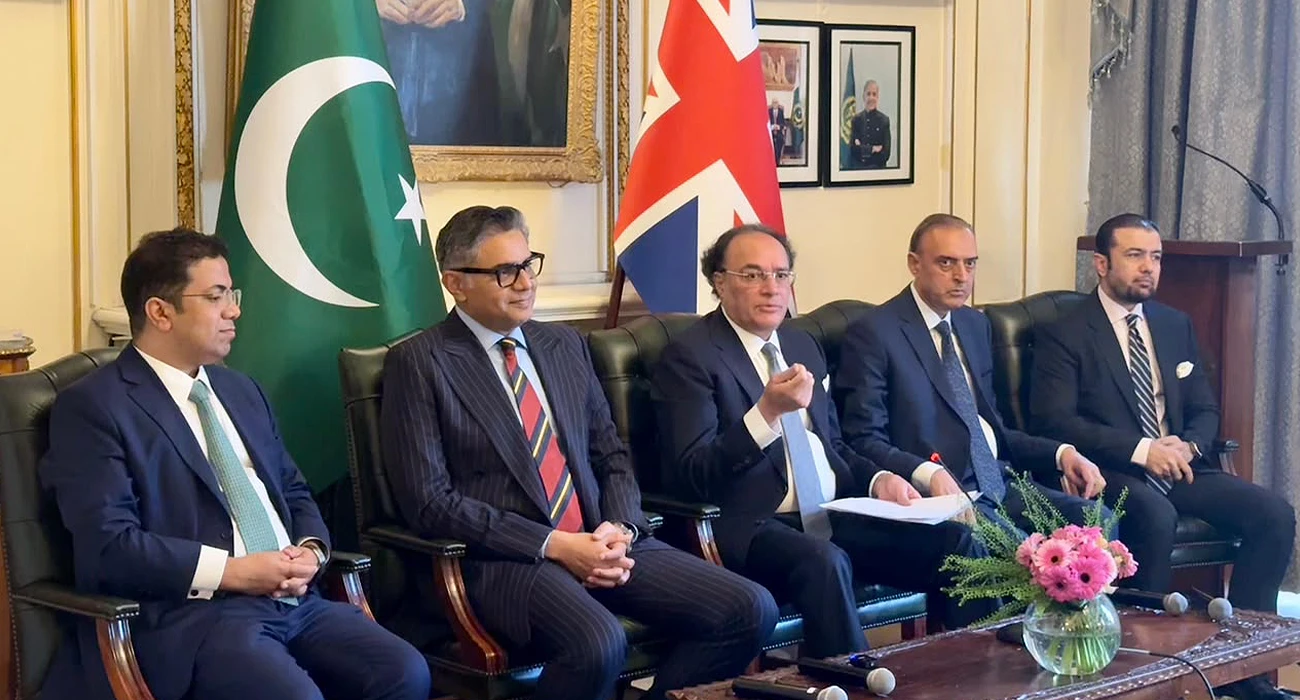
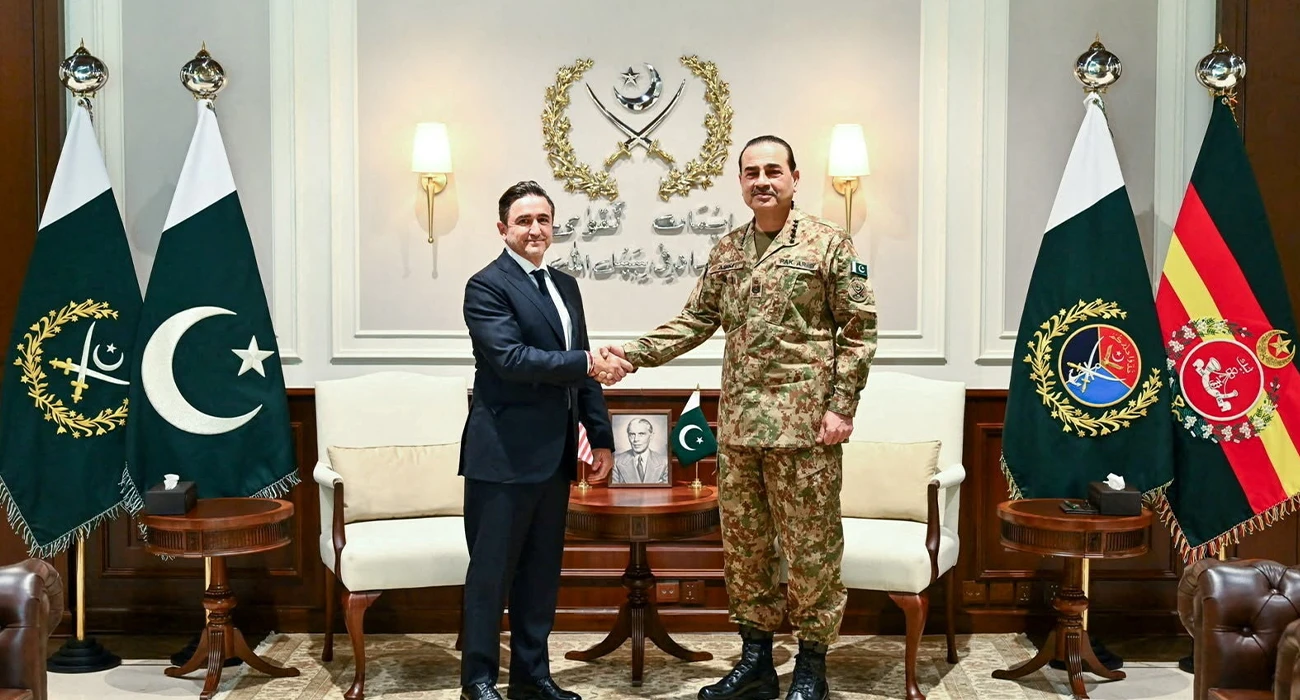
ISLAMABAD: UAE Ambassador Salem Mohammed Al Zaabi met Deputy Prime Minister Ishaq Dar and other members of the Pakistani cabinet on Sunday to review bilateral ties and discuss trade and economic cooperation between the two countries, the UAE embassy said. 

Al Zaabi held separate meetings with Dar, Defense Minister Khawaja Muhammad Asif, Finance Minister Muhammad Aurangzeb, IT Minister Shaza Fatima Khawaja, Railways Minister Hanif Abbasi, Senate Chairman Yousaf Raza Gilani and National Assembly Speaker Ayaz Sadiq. 

“Views on the latest developments at the regional and international levels and matters of common interest between the two friendly countries were discussed and exchanged,” the UAE embassy in Islamabad wrote on social media platform X. 

Meanwhile, the embassy said Zaabi discussed bilateral relations and ways to enhance economic and trade cooperation in his meeting with Aurangzeb. 

Pakistan enjoys cordial ties with UAE rooted in shared values, faith, culture and economic relations. The Gulf nation is Pakistan’s third-largest trading partner after China and the US.

The UAE is also home to two million Pakistani expatriates, who make it the second-largest source of foreign remittances for cash-strapped Pakistan after Saudi Arabia. 

The UAE is also a major source of foreign investment in Pakistan, which have been valued at over $10 billion in the last 20 years, according to the Gulf state’s foreign ministry. 

Policymakers in Pakistan consider the UAE an optimal export destination due to its geographical proximity, which minimizes transportation and freight costs while facilitating commercial transactions.

Both nations have signed agreements worth billions of dollars recently as Pakistan eyes greater trade and economic ties with Gulf states. In January 2024, Pakistan and the UAE signed multiple agreements worth more than $3 billion for cooperation in railways, economic zones and infrastructure.