DUBAI: Global oil prices fell on Monday after OPEC+ members failed to reach agreement on output levels.
A majority of members of the producers’ alliance led by Saudi Arabia and Russia rejected proposals to increase supply amid new fears of the economic impact of the COVID-19 pandemic.
Brent crude, the global benchmark, fell back from earlier highs as it became apparent that OPEC+ could not reach a consensus. Delegates at the meeting said Russia and Kazakhstan wanted to increase output by 500,000 barrels per day from next month, while the rest of the 23-member bloc sought to delay an increase until economic indicators improved.
The meeting will resume today, amid optimism a deal can be reached. “Our efforts will continue, and we are close to an agreement,” one energy official told Arab News.
Saudi Arabia’s Energy Minister, Prince Abdul Aziz bin Salman, was among those who urged caution on the OPEC+ group despite rising crude prices and hopes of a vaccine-led economic recovery.
“At the risk of being seen as a killjoy in these proceedings, I want to urge caution. The new variant of the disease is a worrying and unpredictable development,” the minister said.
“Do not put at risk all that we have achieved for the sake of an instant, but illusory, benefit.”
Other countries who sought a delay in the output increase included the UAE, Kuwait, Iraq, Nigeria and Azerbaijan, according to the official.
Oil analysts played down fears of a repetition of the fallout between Russia and Saudi Arabia last March, which led to a spike in oil output just as the effects of the COVID-19 pandemic were impacting the global economy. “The market dynamics are entirely different now,” one said.
Brent closed at $51.15, having briefly touched $53 earlier in the day, its highest level since
March 2020.

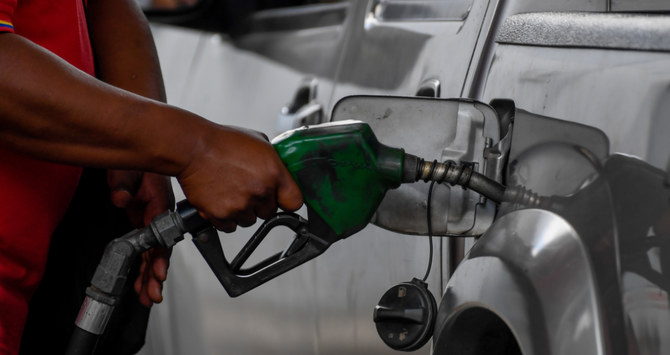
Oil prices fall amid OPEC+ impasse on output
https://arab.news/yhhzc
Oil prices fall amid OPEC+ impasse on output
- Crunch meeting of producers’ alliance spills into second day after OPEC+ rejects proposal to boost supply
Saudi Arabia’s foreign reserves rise to a 6-year high of $475bn
RIYADH: Saudi Arabia’s foreign reserves climbed 3 percent month on month in January to SR1.78 trillion, up SR58.7 billion ($15.6 billion) from December and marking a six-year high.
On an annual basis, the Saudi Central Bank’s net foreign assets rose by 10 percent, equivalent to SR155.8 billion, according to data from the Saudi Central Bank, Argaam reported.
The reserve assets, a crucial indicator of economic stability and external financial strength, comprise several key components.
According to the central bank, also known as SAMA, the Kingdom’s reserves include foreign securities, foreign currency, and bank deposits, as well as its reserve position at the International Monetary Fund, Special Drawing Rights, and monetary gold.
The rise in reserves underscores the strength and liquidity of the Kingdom’s financial position and aligns with Saudi Arabia’s goal of strengthening its financial safety net as it advances economic diversification under Vision 2030.
The value of foreign currency reserves, which represent approximately 95 percent of the total holdings, increased by about 10 percent during January 2026 compared to the same month in 2025, reaching SR1.68 trillion.
The value of the reserve at the IMF increased by 9 percent to reach SR13.1 billion.
Meanwhile, SDRs rose by 5 percent during the period to reach SR80.5 billion.
The Kingdom’s gold reserves remained stable at SR1.62 billion, the same level it has maintained since January 2008.
Saudi Arabia’s foreign reserve assets saw a monthly rise of 5 percent in November, climbing to SR1.74 trillion, according to the Kingdom’s central bank.
Overall, the continued advancement in reserve assets highlights the strength of Saudi Arabia’s fiscal and monetary buffers. These resources support the national currency, help maintain financial system stability, and enhance the country’s ability to navigate global economic volatility.
The sustained accumulation of foreign reserves is a critical pillar of the Kingdom’s economic stability. It directly reinforces investor confidence in the riyal’s peg to the US dollar, a foundational monetary policy, by providing SAMA with ample resources to defend the currency if needed.
Furthermore, this financial buffer enhances the nation’s sovereign credit profile, lowers national borrowing costs, and provides essential fiscal space to navigate global economic volatility while continuing to fund its ambitious Vision 2030 transformation agenda.


