

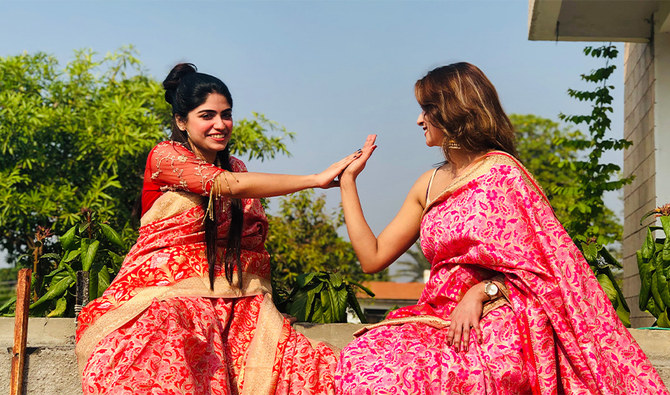
In Pakistan, eco-friendly brands aim to put the sari back on the street

Campaign for The Saari Girl shot in Lahore, Pakistan November 27, 2020. (Photo courtesy: The Saari Girl)
Short Url
Updated 25 December 2020
Follow

In Pakistan, eco-friendly brands aim to put the sari back on the street

  • Unlike in India, Nepal, Sri Lanka and Bangladesh where women wear saris daily, Pakistanis usually adorn the garment on special events 
  • The Saari Girl, Hathghar and Pomegranate Vintage aim to create modern and sustainable pieces that Pakistani women can wear casually everyday

RAWALPINDI: Fashion brands like The Saari Girl, Hathghar and Pomegranate Vintage say they want to put the sari, a staple at Pakistani weddings and formal events, back on the street by creating modern, affordable and sustainable pieces that women can wear casually everyday.
Unlike in India, Nepal, Sri Lanka and Bangladesh, where women wear saris on a daily basis, Pakistani women usually adorn heavily ornamental and luxurious versions of the garment only at special events and stick to the shalwar kameez suit in their everyday life.
Atia Nadeem, 28, aimed to change that when she started importing handcrafted saris under the Karachi-based label Hathghar.

“The sari was something I wanted to bring back,” Nadeem told Arab News over the phone. “Our foremothers would wear these beautiful pieces while having a cup of tea and running errands, why shouldn’t we? From there, the idea for Hathghar began.”
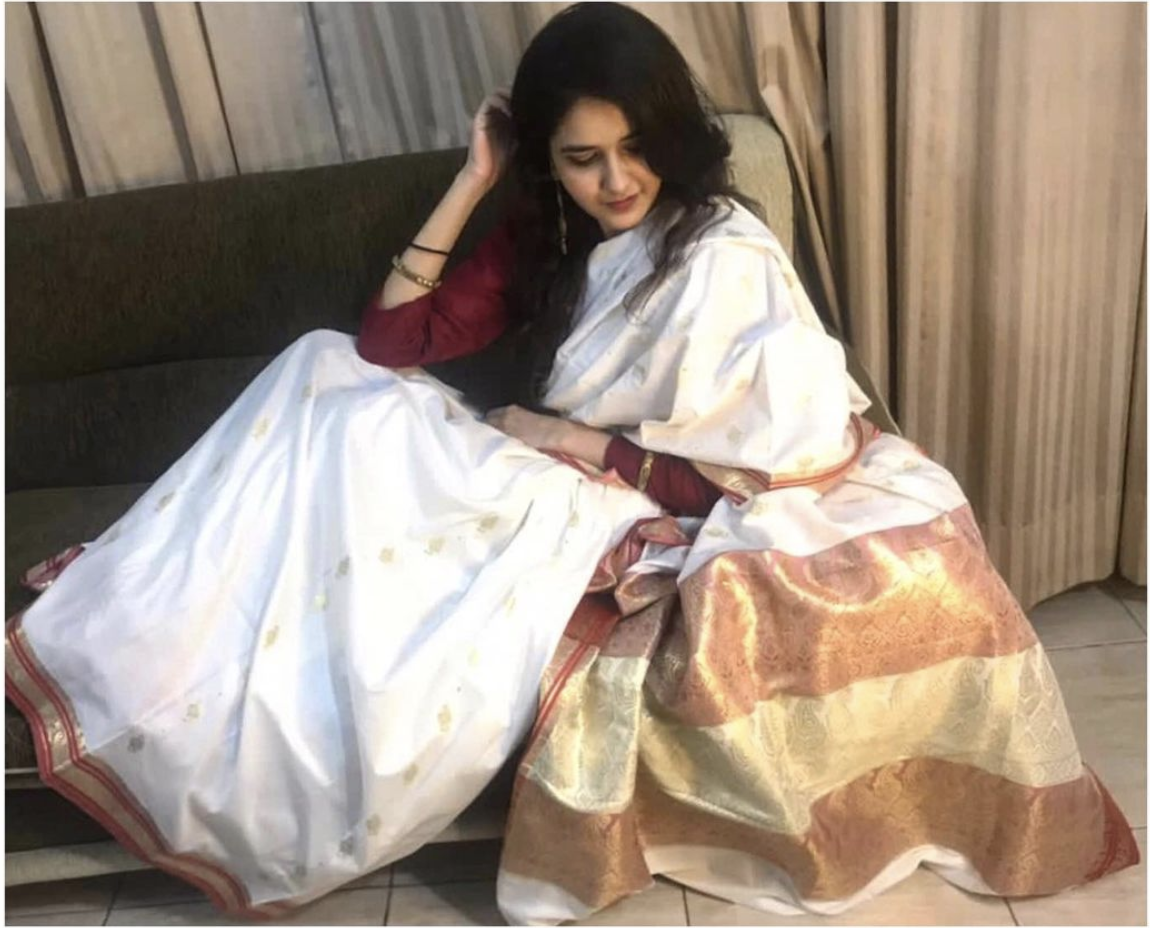


A shot from Hathghar's latest collection shared on their Instagram on November 7, 2020. (Photo courtesy: Hathghar)

Starting December 2019, Nadeem began sourcing saris from Sri Lanka, India and even Dubai and launched her brand this year. Her unique selling point is handcrafted saris for no more than $80 a piece.
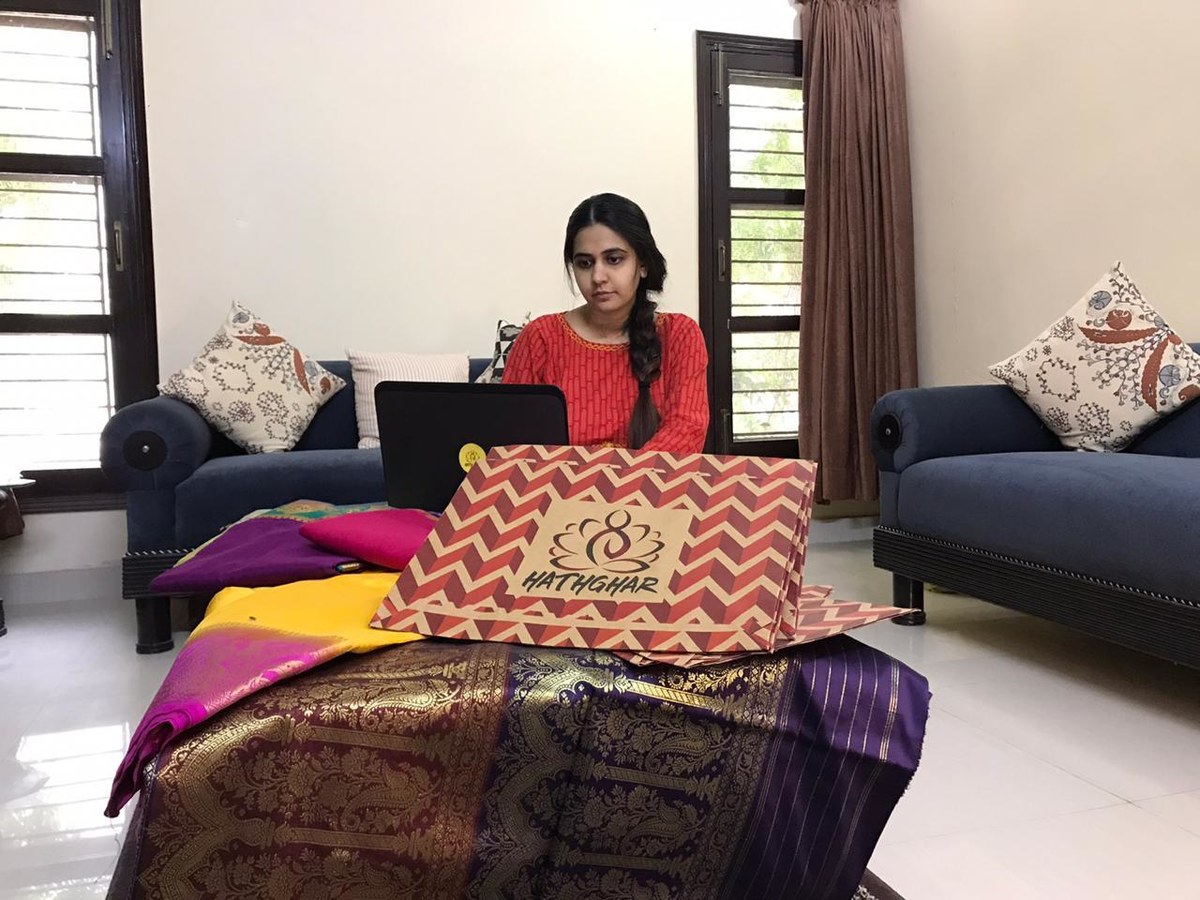


Anita Nadeem of Hathghar works on packaging orders in Karachi, Pakistan on December 20, 2020. (Photo courtesy: Hathghar)

The Saari Girl brand, founded by Aiza Hussain in Lahore in December, 2019, has the same idea: to “normalize” and create acceptance for saris as everyday wear but while discouraging mass production and prioritizing sustainability.

“The aim was to normalize saris in Pakistan,” Hussain, 24, said, explaining why she launched her brand. “Through an affordable sari line, I attempted to reinvoke a lost heritage and create acceptance for saris all across the country. We encourage women of all physiques, ethnicities and age groups to wear saris as they are for everyone.”
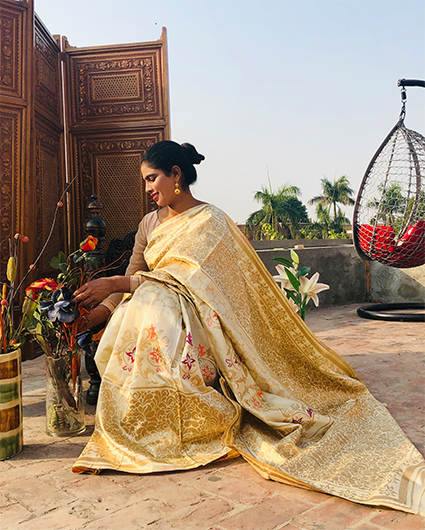


Campaign for The Saari Girl shot in Lahore, Pakistan November 27, 2020. (Photo courtesy: The Saari Girl)

“Fast fashion is destroying our planet and every little eco-friendly effort makes a difference,” Hussain added. “The Saari Girl is our effort and sustainability is our mantra.”
For Alina Tauseef’s Pomegranate Vintage, promoting sustainable fashion and encouraging shopping second hand is also central to her brand of vintage saris, sourced from family, friends and vintage sellers.
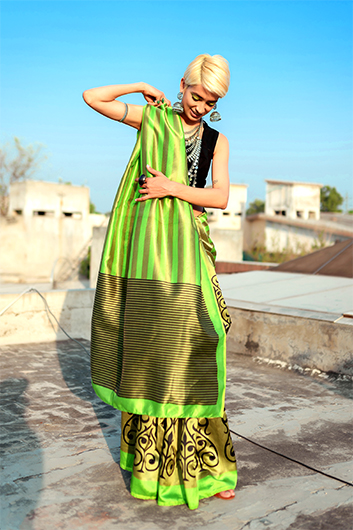


Pomegranate Vintage shares a shot of one of their vintage saaris on their Instagram page on December 11, 2020. (Photo courtesy: Pomegranate Vintage)

“I truly believe shopping sustainably can reduce our carbon footprint on the earth,” Tauseef said.

Husain added: “The versatility of a sari is what makes them so unique. You can share them with your nani [grandmother], sister or best friend and keep them for generations to come.”


Pakistani court sentences TLP leader for 35 years over incitement against ex-chief justice

Updated 11 sec ago
Follow

Pakistani court sentences TLP leader for 35 years over incitement against ex-chief justice

  • The case stems from a 2024 speech targeting former Chief Justice of Pakistan Qazi Faez Isa over a blasphemy ruling
  • Conviction follows the government’s move to proscribe Tehreek-e-Labbaik Pakistan after clashes with police this year

ISLAMABAD: A Pakistani court this week sentenced a leader of the religio-political party Tehreek-i-Labbaik Pakistan (TLP) to 35 years’ imprisonment on multiple charges for inciting hate against former Chief Justice of Pakistan Qazi Faez Isa.

Peer Zaheer ul Hasan Bukhari made the remarks in a 2024 speech at the Lahore Press Club against the former chief justice for issuing a judgment in a case involving a man named Mubarak Sani under the blasphemy laws, a member of a minority religious community whose death sentence was overturned.

Authorities said Bukhari’s comments amounted to incitement to violence, after which police registered a case against him under various terrorism-related provisions as well as charges of inciting hatred.

The cleric was handed multiple jail terms on a range of charges, with the longest being 10 years of rigorous imprisonment, amounting to a total of 35 years.

“All the sections of imprisonment awarded to the convict shall run concurrently,” Anti-Terrorism Court Judge Arshad Javed said in a letter to the Kot Lakhpat Central Jail superintendent.

A collective fine of Rs600,000 ($,150) was also imposed on the TLP party leader under the provisions of the Anti-Terrorism Act.

The move follows Pakistan’s decision in October to ban the TLP and designate it a proscribed organization under the Anti-Terrorism Act after violent clashes between its supporters and law enforcement in Punjab.

The unrest erupted as demonstrators attempted to travel from Lahore to Islamabad, saying they wanted to stage a pro-Palestine rally outside the US Embassy.

However, officials said TLP supporters were armed with bricks and batons, arguing their intention was to stir violence similar to earlier marches toward the federal capital.

The clashes between TLP supporters and police resulted in the deaths of five people, including two policemen, and injured more than 100 officers and dozens of protesters.

Led by Saad Hussain Rizvi, the TLP is known for its confrontational street politics and mass mobilizations.

Since its emergence in 2017, the party has repeatedly organized sit-ins and marches toward Islamabad, often triggering violent confrontations and prolonged disruptions on major routes to the capital.