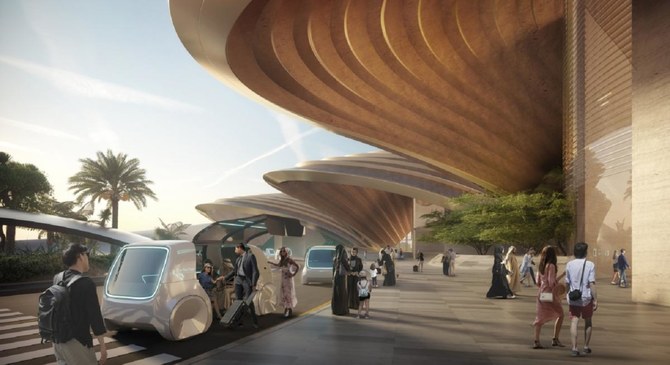
RIYADH: Nine out of ten young Saudis surveyed in a new study revealed they would be keen on a job in the tourism and hospitality sectors, compared to 77 percent who said they were interested in a job in petrochemicals.
The results, based on more than 850 face-to-face interviews and compiled as part of research commissioned by The Red Sea Development Company (TRSDC), are welcome news for Saudi officials and their ambitions for Vision 2030, which aims to diversify the Kingdom’s economy and reduce reliance on revenue from hydrocarbons.
“We are only at the beginning of Saudi Arabia’s exciting transition to a new and diversified economy and future generations have a chance to play their part,” said John Pagano, CEO of TRSDC.
“A career in tourism or hospitality offers a range of opportunities like no other. From managing an international hotel group to becoming an entrepreneur, the sector has something for everyone. TRSDC is at the heart of this emerging industry and once completed our destination will support 70,000 direct, indirect and induced jobs providing opportunities to people throughout the country,” he added.
Interestingly, the study found that young Saudis and their parents acknowledge the role that tourism and hospitality will play in the country’s new diversified economy, with 69 percent and 59 percent respectively believing the sectors will become more important for the Saudi economy over the next 10 years.
They are also optimistic that these roles will be a key driver of employment for Saudi nationals, with 69 percent of young Saudis believing that expanding tourism and hospitality industries would provide jobs for the Kingdom’s citizens.
TRSDC is a closed joint-stock company wholly owned by the Public Investment Fund (PIF). This year, TRSDC has signed more than 500 contracts for a total value of $2 billion, of which 70 percent were awarded to Saudi companies.
The company started work in February 2019 on the Red Sea Project, which is developing 22 islands in the archipelago of more than 90 islands.
Echoing the company’s Saudi youth study, Ahmed Ghazi Darwish, chief of staff at TRSDC, told Argaam that tourism will be the second important sector after oil for creating jobs. “Job opportunities account for 10 percent of the global tourism industry, compared to 3.4 percent in the Kingdom, thanks to Umrah and Hajj seasons,” he said.

Saudi youth favor tourism jobs over a career in oil
https://arab.news/4e9de
Saudi youth favor tourism jobs over a career in oil
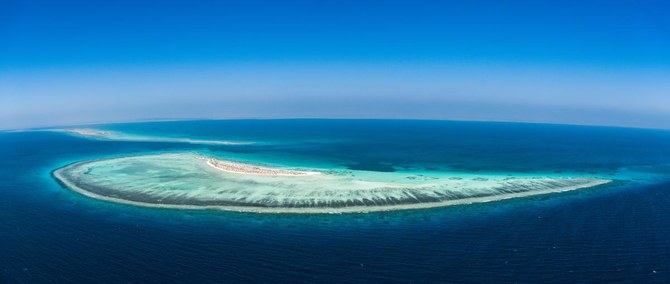
- Research commissioned by The Red Sea Development Company found 90% of young people surveyed are interested in tourism, hospitality jobs
- The study found that young Saudis acknowledge the role that tourism and hospitality will play in the country’s new diversified economy
Saudi Arabia advances sustainable development efforts with 45 agreements worth $1.6bn at Momentum
RIYADH: Saudi Arabia’s National Development Fund and its affiliates signed 45 agreements with a total value of SR6 billion ($1.59 billion), with several local and international partners at the conclusion of the Momentum 2025 development finance conference.
The event, held from Dec. 9 to 11 at the King Abdulaziz International Conference Center in Riyadh, was organized by the NDF under the patronage of Prince Mohammed bin Salman bin Abdulaziz Al Saud, crown prince, prime minister, and chairman of the NDF board of directors.
The new agreements seek to accelerate the pace of investment, empower the private sector, and unlock new opportunities in priority sectors including small and medium sized enterprises, tourism, and sustainable development.
On the institutional level, the fund signed two strategic agreements with two leading global partners in technology and professional services, aiming to enable artificial intelligence, data, and digital solutions within the development finance ecosystem.
The two memorandum of understandings aim to enhance the institutional capabilities of the fund, encourage innovation in products and services, and improve the efficiency and overall impact of development financing in the Kingdom.
The NDF signed a memorandum of understanding through the National Infrastructure Fund aimed at unifying the efforts of the development system to support small enterprises by cooperating on designing a developmental financing model for SMEs.
The Saudi SME Bank signed 19 cooperation agreements and MoUs with a value exceeding SR3 billion, to support the developmental finance system and enhance integration between public and private sector entities.
The Tourism Development Fund concluded 6 agreements with entities from both the government and private sectors, strengthening its partnerships with an impact exceeding SR4 billion. These aim to enhance financing solutions through the “Tourism Enablement Programs” offered by the fund to micro, small, and medium enterprises.
The Cultural Development Fund signed five credit facility agreements within the framework of the “Cultural Financing” program, with a total value exceeding SR63 million, to finance numerous cultural projects.
As part of its efforts to support human capital development, the Human Resources Development Fund concluded 3 agreements aimed at supporting and enabling 2,191 male and female job seekers in multiple sectors, with a value exceeding SR324 million.
The Saudi Industrial Development Fund signed a cooperation agreement with the Saudi Railways Co. to identify cooperation opportunities in enabling the industrial sector, including the railway sector, and supporting investors in localizing goods and services to increase local content.
The Saudi Fund for Development signed five developmental memoranda of understanding with Imam Mohammad Ibn Saud Islamic University, the Islamic Military Counter Terrorism Coalition, and the Middle East Green Initiative, as well as the Saudi Agricultural and Livestock Investment Co., and the Arab Urban Development Institute.
The Investment Events Fund signed a partnership agreement with entertainment firm Legends Global to enhance the events sector by leveraging international expertise in organizing major global events.
The agreements and MoUs signed during the Momentum 2025 conference represent a significant step in the Kingdom’s efforts to build a diverse, inclusive, and sustainable economy.
These partnerships contribute to bridging financing gaps, mitigating risks for strategic projects, and achieving long-term value for Saudi citizens, companies, and communities. Furthermore, they advance global sustainable development goals by aligning public and private capital with national priorities in infrastructure, SMEs, and green growth.
The Momentum 2025 development finance conference embodied the Kingdom’s focus on translating cooperation into tangible achievements, driving green and inclusive growth, and contributing to a more sustainable and prosperous future for all.