UNGA adopts Pakistan-sponsored resolution on respect for 'sacred religious symbols'

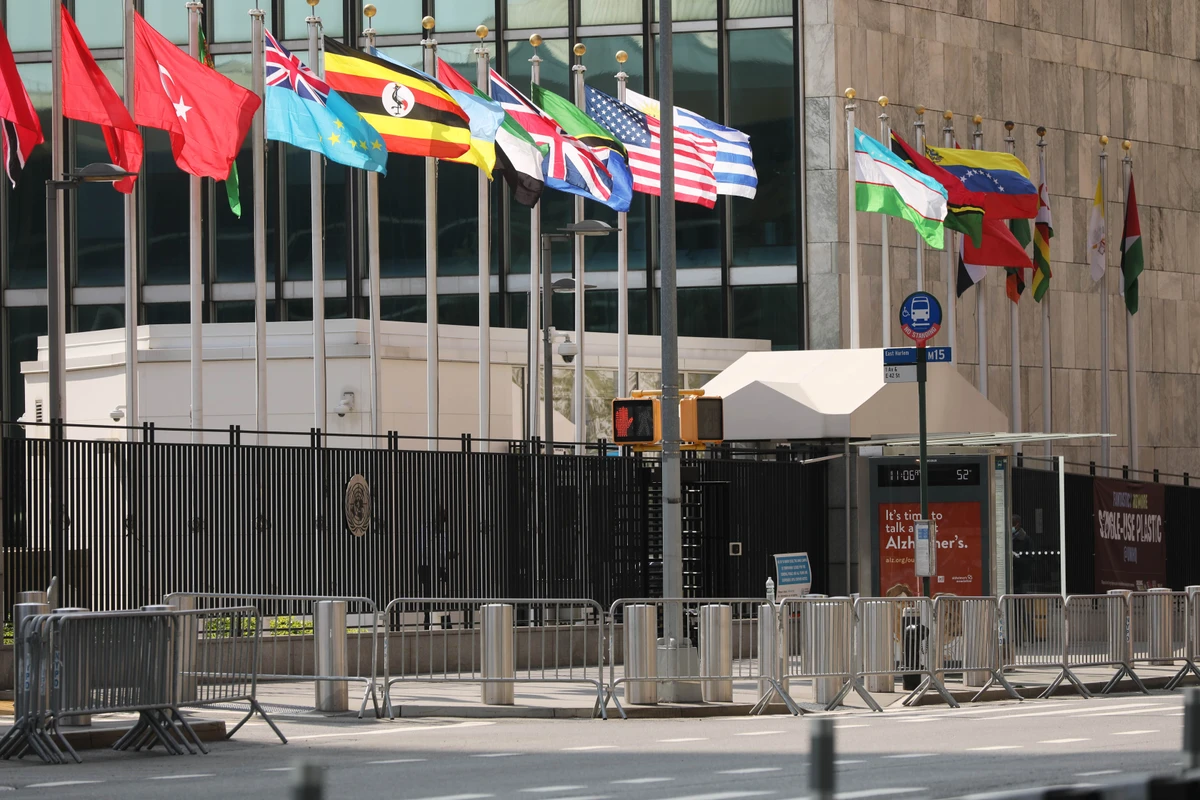
The United Nations building in Manhattan on the first official day of the 75th United Nations General Assembly on September 22, 2020 in New York City. (AFP/File)
Short Url
Updated 03 December 2020
Follow

UNGA adopts Pakistan-sponsored resolution on respect for 'sacred religious symbols'

  • Protests broke out in several Muslim countries, including Pakistan last month, over cartoons mocking the Prophet Muhammad (pbuh) 
  • Deliberate vilification and negative stereotyping of Islam perpetuates ‘clash of civilizations,’ Pakistan’s envoy to the UN says

ISLAMABAD: Despite opposition from the European Union and other western nations and India, the UN General Assembly Wednesday adopted a Pakistan and Philippines sponsored resolution on inter-religious dialogue that emphasized the need to respect “sacred religious symbols,” Pakistan’s state news agency reported on Thursday. 

The resolution received a majority of 90 votes, none against, with 52 abstentions, APP said.

Protests broke out in several Muslim countries, including Pakistan last month, over France’s response to a deadly attack in October on a teacher who showed cartoons mocking the Prophet Muhammad (pbuh) to pupils during a civics lesson.

For Muslims, depictions of the Prophet are blasphemous.

Pakistan has condemned the recent re-printing of the cartoons. The French president has paid tribute to the murdered teacher, fueling further anger in the Muslim world. 

“Facing strong opposition from the powerful western bloc mainly based on freedom of expression, the Pakistan Mission worked hard to rally the OIC [Organization of Islamic Cooperation] and other developing countries to garner support for inclusion of new elements in the resolution,” APP reported. 

Pakistan’s Ambassador to the UN, Munir Akram, referred to Prime Minister Imran Khan’s repeated calls to the international community and the United Nations to counter Islamophobia and promote respect for religious sensitivities.

“Ambassador Akram also emphasized that the deliberate “vilification and negative stereotyping of adherents of one of the largest religions in the world –Islam — only perpetuates dangerous self-fulfilling prophecies such as the ‘clash of civilizations’ and must be addressed on urgent basis,” APP quoted the ambassador as saying. 

“After some intensive lobbying, the resolution acknowledges — for the first time — the significance and respect for religious symbols,” the state news agency added. “It also stressed that the exercise of the right to freedom of expression carries with it special duties and responsibilities, and must therefore be subjected to legitimate restrictions.”

“The resolution condemned any advocacy of religious hatred that constitutes incitement to violence or discrimination,” APP said, “and underlines the importance of interrelgious and intercultural dialogue as a valuable tool for promoting social cohesion, and peace and development in the world.”
Pakistan, global crypto exchange discuss modernizing digital payments, creating job prospects 

Updated 05 December 2025
Follow

Pakistan, global crypto exchange discuss modernizing digital payments, creating job prospects 

  • Pakistani officials, Binance team discuss coordination between Islamabad, local banks and global exchanges
  • Pakistan has attempted to tap into growing crypto market to curb illicit transactions, improve oversight

ISLAMABAD: Pakistan’s finance officials and the team of a global cryptocurrency exchange on Friday held discussions aimed at modernizing the country’s digital payments system and building local talent pipelines to meet rising demand for blockchain and Web3 skills, the finance ministry said.

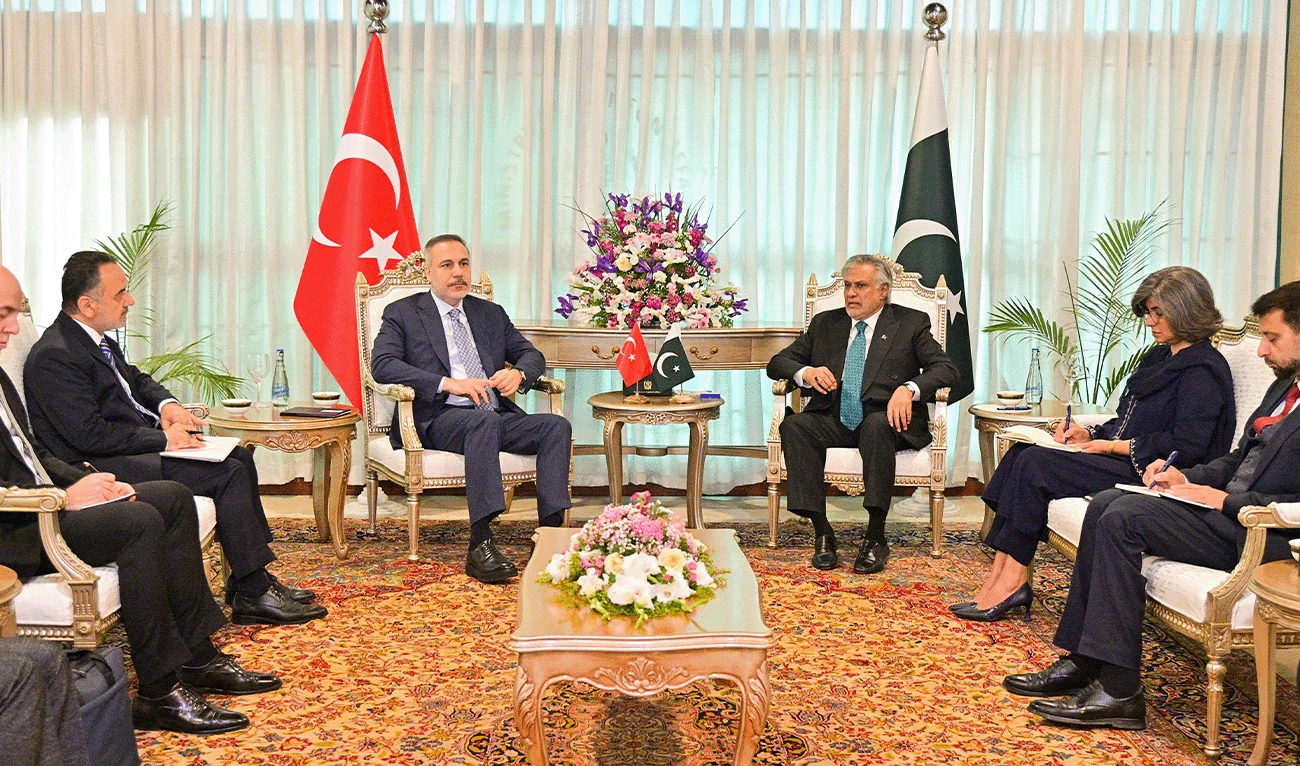
The development took place during a high-level meeting between Finance Minister Muhammad Aurangzeb, Pakistan Virtual Assets Regulatory Authority (PVARA) Chairman Bilal bin Saqib, domestic bank presidents and a Binance team led by Global CEO Richard Teng. The meeting was held to advance work on Pakistan’s National Digital Asset Framework, a regulatory setup to govern Pakistan’s digital assets.

Pakistan has been moving to regulate its fast-growing crypto and digital assets market by bringing virtual asset service providers (VASPs) under a formal licensing regime. Officials say the push is aimed at curbing illicit transactions, improving oversight, and encouraging innovation in blockchain-based financial services.

“Participants reviewed opportunities to modernize Pakistan’s digital payments landscape, noting that blockchain-based systems could significantly reduce costs from the country’s $38 billion annual remittance flows,” the finance ministry said in a statement. 

“Discussions also emphasized building local talent pipelines to meet rising global demand for blockchain and Web3 skills, creating high-value employment prospects for Pakistani youth.”

Blockchain is a type of digital database that is shared, transparent and tamper-resistant. Instead of being stored on one computer, the data is kept on a distributed network of computers, making it very hard to alter or hack.

Web3 refers to the next generation of the Internet built using blockchain, focusing on giving users more control over their data, identity and digital assets rather than big tech companies controlling it.

Participants of the meeting also discussed sovereign debt tokenization, which is the process of converting a country’s debt such as government bonds, into digital tokens on a blockchain, the ministry said. 

Aurangzeb called for close coordination between the government, domestic banks and global exchanges to modernize Pakistan’s payment landscape.

Participants of the meeting also discussed considering a “time-bound amnesty” to encourage users to move assets onto regulated platforms, stressing the need for stronger verifications and a risk-mitigation system.

Pakistan has attempted in recent months to tap into the country’s growing crypto market, crack down on money laundering and terror financing, and promote responsible innovation — a move analysts say could bring an estimated $25 billion in virtual assets into the tax net.

In September, Islamabad invited international crypto exchanges and other VASPs to apply for licenses to operate in the country, a step aimed at formalizing and regulating its fast-growing digital market.