

Saudi Telecom Company announces CEO resignation, share buyback

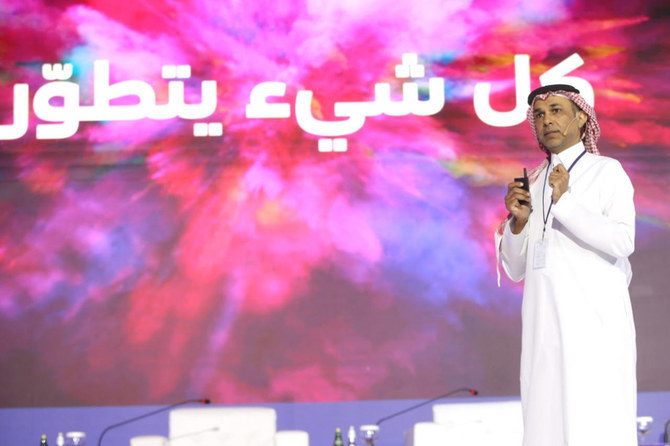
Former STC Group CEO Nasser Sulaiman Al-Nasser speaking at the telecom provider’s unified brand identity launch, in Riyadh. (Supplied)
Short Url
Updated 29 November 2020
Follow

Saudi Telecom Company announces CEO resignation, share buyback

  • The resignation, which will be effective March 28, 2021

Saudi Telecom Co. (STC) said its board of directors accepted the resignation of chief executive officer Nasser Al-Nasser on Nov. 28, 2020, according to a bourse statement.

The resignation, which will be effective March 28, 2021, was submitted for personal reasons.

The board also delegated the nomination and remuneration committee to identify a new CEO and submit the list of candidates to the board, while taking STC’s succession plan into consideration.

Any new development will be announced in due course, the firm said.

STC completed the buyback of its shares allocated to the employees’ stock incentive plan on Nov. 26, 2020, the firm said in a statement to Tadawul.

A total of 2.98 million shares, with an approximate value of SAR 300 million (SAR 100.58 per share) were bought back in one tranche, and no additional shares will be purchased during the specified purchase period, it added.

On April 20, 2020, STC’s shareholders approved buying back 5.5 million shares at SAR 300 million ($80 million). Shareholders had also authorized the board to buy back the shares within eight months of the extraordinary general assembly date.

The shares purchased for employees’ stock incentive plan will not be entitled to any dividends during the period the company holds them, STC said in its statement on Nov. 29, 2020.

Powered by Argaam


QatarEnergy announces force majeure following Iran attacks: statement

Updated 5 sec ago
Follow

QatarEnergy announces force majeure following Iran attacks: statement

DOHA: Qatar’s state-run energy firm on Wednesday declared force majeure following attacks on two of its main facilities that halted liquefied natural gas production and as Iran pressed missile and drone attacks across the Gulf.

“Further to the announcement by QatarEnergy to stop production of liquefied natural gas and associated products, QatarEnergy has declared Force Majeure to its affected buyers,” the company said in a statement.

QatarEnergy invoked the clause, which shields it from penalties and potential breach of contract claims from clients, after stopping LNG production on Monday.

Iranian drones attacked two of the company’s main production hubs in Ras Laffan Industrial City, 80 km north of Doha and in Mesaieed 40 km south of the Qatari capital, Doha’s ministry of defense said at the time.

The Gulf state is one of the world’s top liquefied natural gas producers, alongside the US, Australia and Russia.

On Tuesday, QatarEnergy said it would halt some downstream production of some products including urea, polymers, methanol, aluminum and others.

Qatar shares the world’s largest natural gas reservoir with Iran.

QatarEnergy estimates the Gulf state’s portion of the reservoir, the North Field, holds about 10 percent of the world’s known natural gas reserves.

In recent years, Qatar has inked a series of long-term LNG deals with France’s Total, Britain’s Shell, India’s Petronet, China’s Sinopec and Italy’s Eni, among others.