- Oil content of palm fruit from Sindh's plantation in Thatta is 2 percent higher than the world average
- Pakistan consumes 4.5 million tons of edible oil a year, of which some 90 percent is imported, mainly from Malaysia and Indonesia
KARACHI: Pakistan’s southeastern Sindh province has successfully completed a pilot oil palm cultivation and extraction project, putting the country on the list of palm oil producers.
An oil extraction facility at the site of the pilot oil palm plantation in the province’s southern Thatta district produced its first oil last week. The development is seen as a breakthrough for the South Asian nation which is heavily dependent on palm oil imports.
“The palm oil extraction is being done as a test run at the moment and the results are wonderful and very encouraging,” Muhammad Aslam Ghouri, secretary of Sindh’s Environment, Climate Change and Coastal Development which is running the project, told Arab News on Friday.
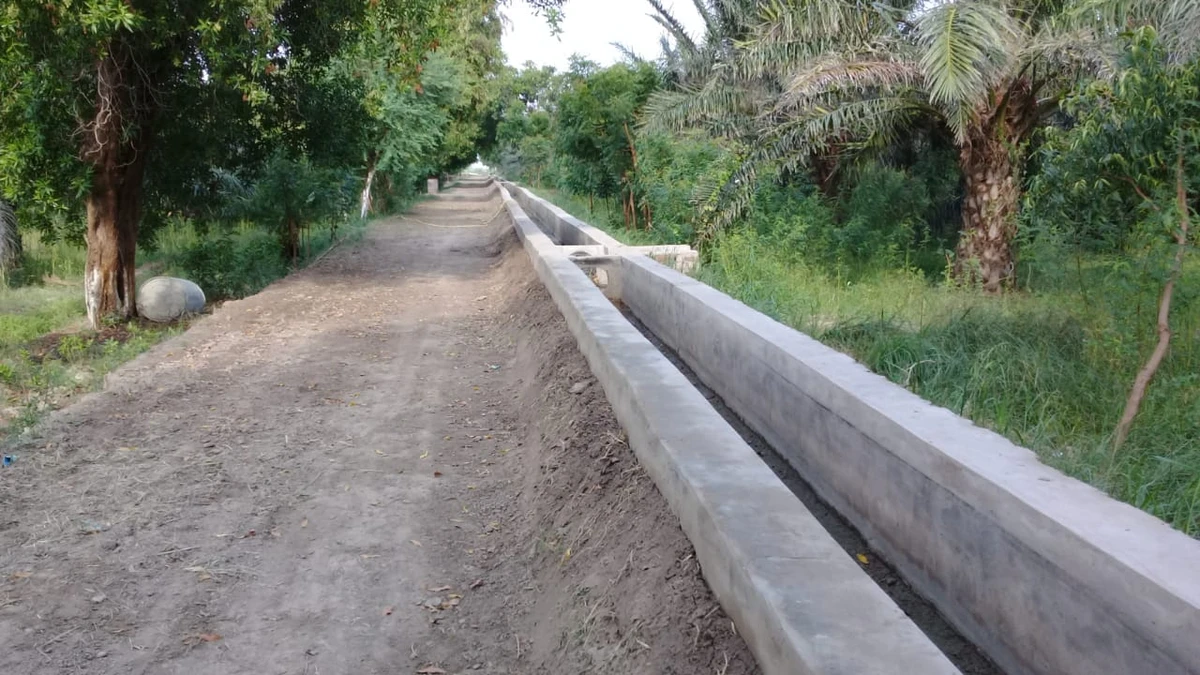
The Rs25 million ($157,000) pilot project started in 2016 on 50 acres of coastal land.
“In 2016, Malaysian experts came here and they studied everything including soil and environment and they certified that the fruit is very good,” Ghouri said. “The oil content of the palm fruit is 2 percent higher than the world average.”
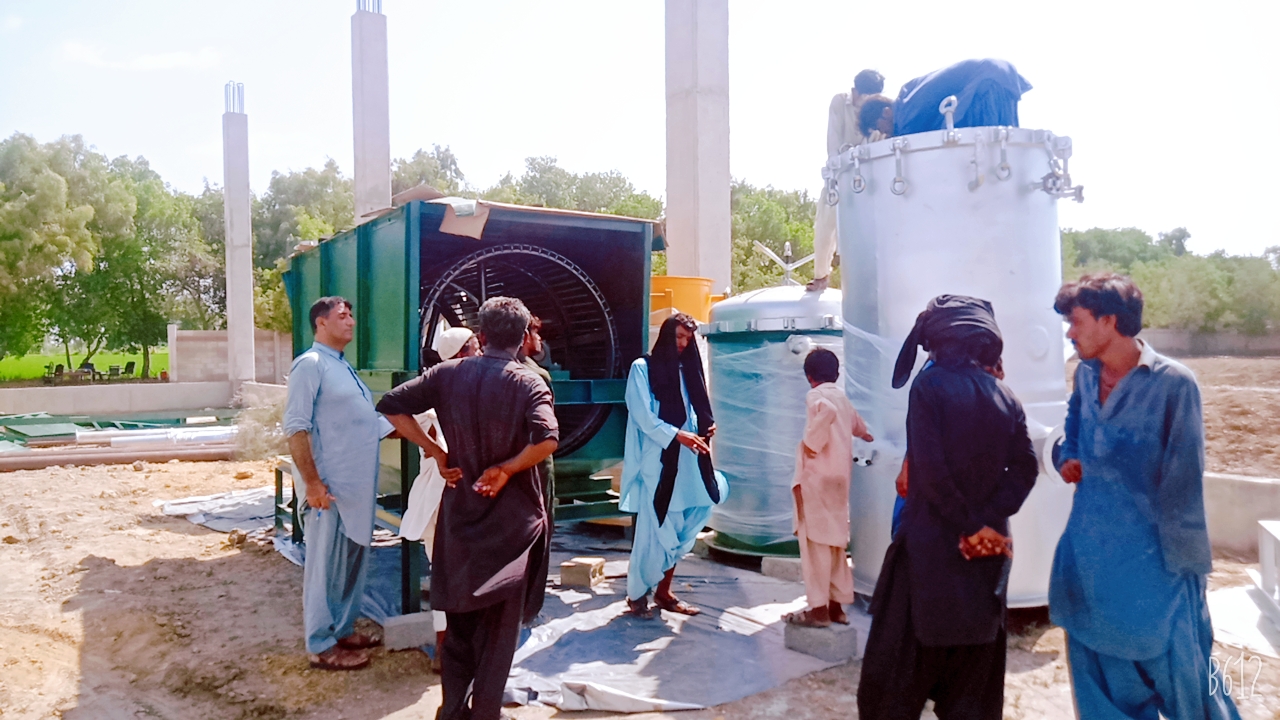
Machinery for oil extraction is being installed at the site of the oil palm project in Thatta, Sindh, on July 24, 2020. (Photo courtesy: Sindh's Environment, Climate Change and Coastal Development)
The yield from the fertile soil is also encouraging as even 60 palm trees can be grown on each acre.
Pakistan consumes around 4.5 million tons of edible oil a year, of which some 90 percent is imported, mainly from Malaysia and Indonesia — the world’s biggest producers of the commodity.
While the Thatta oil extraction facility can produce only up to two tons of oil a day, Ghouri believes the reliance on imports can be greatly reduced if the Sindh project is expanded.
Seeing the project as a “game changer” for the province and country, the Sindh government has already allocated an additional 1,600 acres for palm cultivation, which it further plans to expand to 3,000 acres.
Ghouri said that ECC&CD has already invited farmers and private firms to show the “success story” and encourage them to invest and join the industry.
“Seeing the success of this pilot project we can safely say that in future when there is investment in this sector, private parties come in to start palm plantation and invest in oil extraction mills as we have shown that it can be done. Then this (less reliance on imports) can happen.”
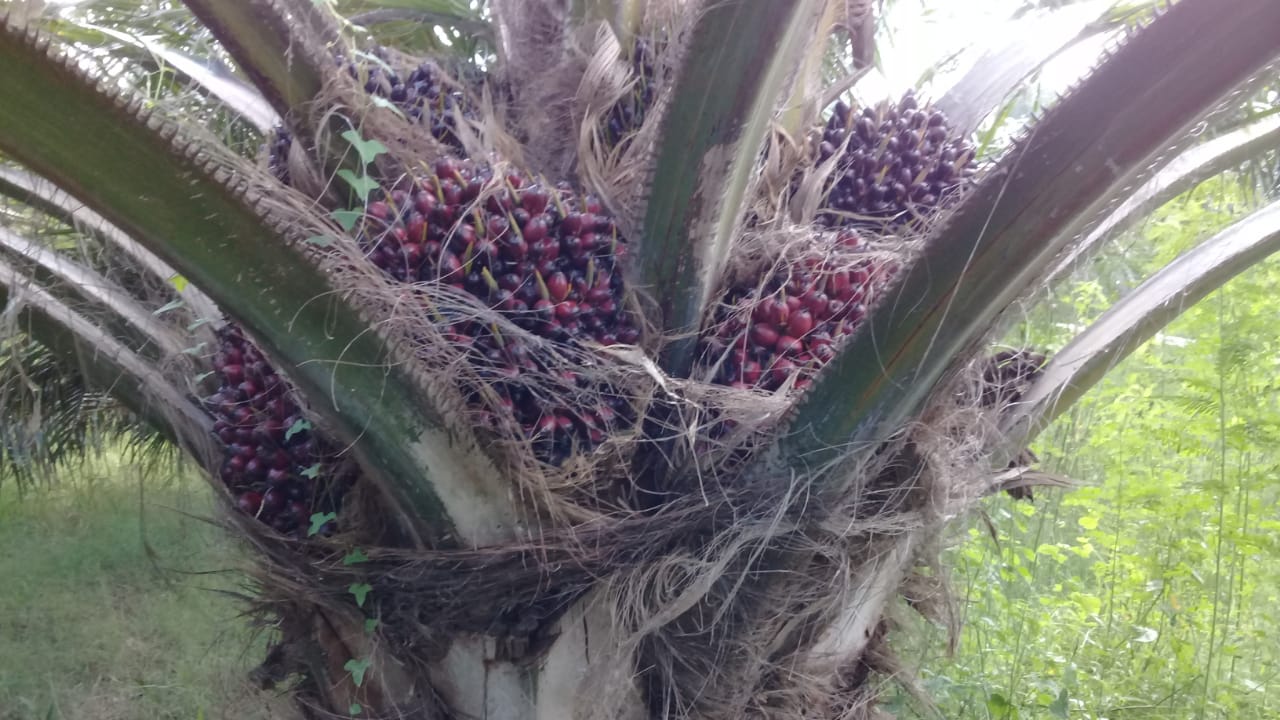
An oil palm from Sindh's plantation in Thatta on July 24, 2020. The oil content of the plantation's palm fruit is 2 percent higher than the world average. (Photo courtesy: Sindh's Environment, Climate Change and Coastal Development)
Oil traders, however, say that there is a long way ahead before Pakistan will be able to offset the imports of the staple commodity.
“It is a step in the right direction that has a potential to substitute palm oil imports and save foreign exchange, but it would take time to make any meaningful contribution as the country imports on an average 100,000 tons of palm oil per month,” Ismail Wali, an oil trader at Jodia Bazaar in Karachi, told Arab News.
Farmers are less enthusiastic as they remember a similar initiative being undertaken in 1996 to develop the country’s vast coastal belt into an oil palm cultivation hub. For two decades the project was neglected, causing huge losses.
“We had imported expensive samplings of palm and planted over an area of 400 acres in Mirpur Sakro, Thatta district,” Mumrez Khan, a former oil palm farmer, told Arab News.
“We had to abandon the plantation in 2009 due to lack of support and required guidance from the government.”