

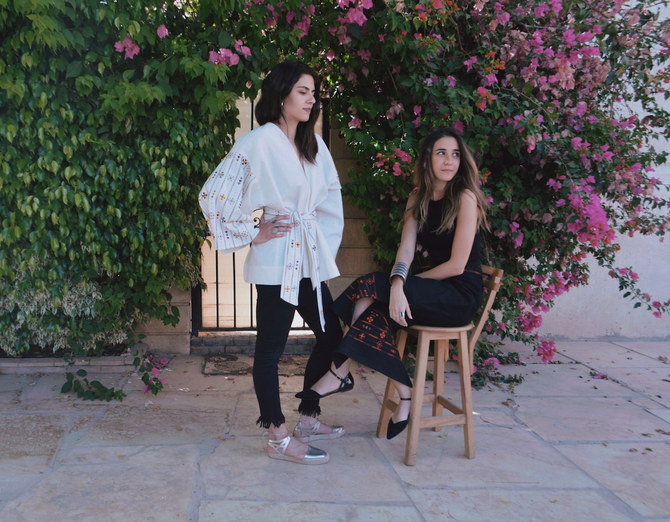

CAIRO: “Your heritage speaks volumes about who you are. Wear it with pride.”
That’s the tagline for up-and-coming Egyptian fashion label Toroz, which aims to revive local embroidery traditions and revamp them for modern, contemporary wear.
Founded in 2019 by Egyptian designer Lobna Zogheib, Toroz works with female artisans in Sohag in the Upper Egypt area and in the Siwa oasis in Egypt’s Western Desert to create high-quality locally embroidered garments, becoming, according to its Instagram page “a gateway between cultural iconic craftsmanship and modern-day fashion style.”
“I’ve always had a passion for handcrafted work, especially traditional Egyptian embroidery,” Zogheib tells Arab News. “Our embroidery techniques are incredible, but I always felt that the designs were a bit outdated and in need of a revamp. This is how the idea of setting up Toroz came about.”
Zogheib works with two forms of embroidery. The first is Tally, an Upper-Egypt embroidery tradition dating back to the 19th century, in which metal threads — either silver or gold — are sewn into tulle or other fabrics.
She also works with Siwan embroiderers, creating designs inspired by Siwa’s traditional wedding dresses.
Zogheib came up with the concept for Toroz during her senior year as a graphic design student. For her graduation project, she traced the history of different traditional costumes of Egypt. As part of her research, Zogheib spoke to local artisans and was surprised to find that they weren’t selling many of these costumes.
“I also found out that Siwan women were no longer wearing their own traditional dresses due to their high prices. Unless they inherit these costumes from their own mothers or grandmothers, none of these women buy them anymore,” she says.
Zogheib also looked into the multiple meanings of the motifs and symbols typical of Tally garments and Siwan embroidery pattern designs, which include plant motifs, particularly palm groves.
“Siwan women typically incorporate the colors of dates in their different stages of ripening into their designs — ranging from the green and yellow to the red, dark red, and, finally, black,” she explains.
As part of her project, Zogheib designed pieces inspired by the traditional clothing of both Sohag and Siwa. One of her earliest designs was of a basic black jacket with oversized sleeves, the latter being typical of a traditional Siwan bridal dress, which is comprised of rectangular pieces of fabric sewn together.
After graduating, Zogheib decided to take her interest in reviving these local traditions a step further by setting up Toroz.
“We may have many local Egyptian brands, but not so many Egyptian-inspired local brands, so I wanted to start a brand that belonged to the latter group,” Zogheib says. “I started going to more local exhibitions where I met many of these local artisans and commissioned some of them to create high-quality embroidered pieces.”
Zogheib sends her designs to artisans in Siwa and Sohag who embroider them on cloth. She then integrates these embellished pieces into her garments.
To date, Zogheib has released a variety of casual and formal garments ranging from skirts and blazer dresses to trousers, jackets and cardigans. Most of the items are in either black or white, although she says she would be open to “experimenting with more colors later on.”
The resulting designs are timeless, elegant and minimal. “I guess what makes Toroz stand out is how the motifs are implemented in design — and how the patterns come together — in minimal, clean finishing,” Zogheib says.
Each piece is made by order, and usually takes around three weeks to finish. The intricate embroidery can mean that they tend to be on the expensive side.
“I don’t expect everyone to appreciate the designs or understand their value. Some believe that our work is overpriced and do not realize its handmade quality,” Zogheib says. “But those who are familiar with our traditional embroidery and the effort that goes into it certainly understand the high price tag.”
The design quality isn’t the only reason for the cost, she points out. Higher prices also ensure sustainable livelihoods for the local female artisans working with Toroz, something that is central to the brand’s business model.
“I want our female artisans to generate their own income. It’s hard for these women to join me as full timers, as they have families to look after. So, they’re usually commissioned by piece,” Zogheib says.
Right now, Zogheib is busy preparing for a new winter collection. The young designer is as determined as ever to continue celebrating Egypt’s cultural heritage, and empowering female artisans in the process.


