Government should not impose moral codes on TV serials, films — Pakistan information minister 

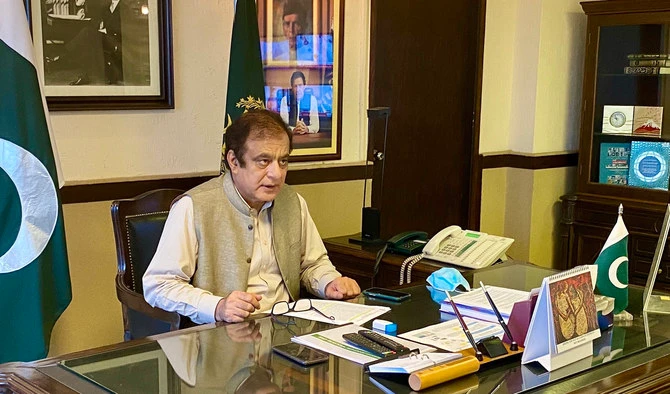
Pakistan’s Minister for Information and Broadcasting Shibli Faraz during an interview with Arab News in Islamabad on May 14, 2020. (AN photo)
Short Url
Updated 20 October 2020
Follow

Government should not impose moral codes on TV serials, films — Pakistan information minister 

  • Shibli Faraz says not all content on TikTok ‘inappropriate’ but mechanism needed to filter ‘objectionable’ material 
  • Says content of films and dramas should not “damage our religious and cultural standards”

ISLAMABAD: Pakistani information minister Shibli Faraz has said the government should not set moral codes for TV shows and films, but productions should not defy the Muslim country’s religious and cultural norms.

The minister’s comments come amid a push by the Pakistan Electronic Media Regulatory Authority to censor TV serials.

No drama would be banned, Faraz said in an interview to Arab News, if it followed “norms and standards of [the] family system in Pakistan along with religious restrictions and guidance.”

When asked if the government planned to announce moral codes for TV channels and production houses, he said: “I personally believe that the government should not go to these lengths,” but added that films and dramas should not “damage our religious and cultural standards.” 

“We need films on and around the lives of historical heroes of this region, so that cinema becomes not only a source of promoting our history but also an inspiration for youth,” the minister said. 

Speaking about a recent ban imposed on social media application TikTok, Faraz said the blockade was temporary but the government needed to put in place a mechanism to ensure ‘objectionable’ content was filtered out for Pakistani viewers. 

Pakistan’s telecom regulator blocked TikTok earlier this month for what it said was its failure to filter out “immoral and indecent” content. The application was unbanned on Monday. 

“The issue is that if something is used in a wrong way, everyone related to it has to face the consequences,” Faraz said. “I don’t think that entire content on the app was inappropriate.”

He added: “But before reopening the app, the government wants to make sure that there is a certain mechanism … that barred the objectionable content from the reach of everyone.”

The TikTok ban was imposed in view of “complaints from different segments of the society against immoral and indecent content on the video sharing application,” the Pakistan Telecommunication Authority (PTA) had said in a statement, adding that it would review its ban subject to a satisfactory mechanism by TikTok to moderate unlawful content.


Pakistan Customs seize ecstasy tablets worth $1 million in Karachi

Updated 5 sec ago
Follow

Pakistan Customs seize ecstasy tablets worth $1 million in Karachi

  • Pakistan Customs has initiated investigation to identify recipients, facilitators of smuggling attempt, says FBR
  • Ecstasy, also known as “party drug,” causes energizing effect, enhanced enjoyment of tactile experiences

ISLAMABAD: Pakistan Customs this week foiled a bid to smuggle more than 9,000 MDMA or ecstasy tablets into the country valued at Rs299.8 million [$1 million], the Federal Board of Revenue (FBR) said in a statement. 

According to the FBR, the narcotics were found concealed inside speakers and LED lamps in a parcel that arrived from Germany at the International Mail Office in the southern port city of Karachi. 

It said the shipment had been falsely declared as containing “clothes, socks and music boxes.”

“Officials of the Airport Cargo Control Unit (ACCU), Collectorate of Customs Airports Karachi, seized 9,455 MDMA (ecstasy) tablets valued at Rs299.791 million during a targeted inspection,” the FBR said on Friday. 

“Customs authorities have initiated further investigation to identify the recipients and facilitators of the smuggling attempt.”

Ecstasy/MDMA acts as both a stimulant and hallucinogen, producing an energizing effect, distortions in time and perception, and enhanced enjoyment of tactile experiences.

Adolescents and young adults use it around the world to reduce inhibitions and to promote euphoria, feelings of closeness, and empathy. 

Known as a “party drug,” ecstasy is consumed in both pill and powder form. 

Pakistan has stepped up efforts against clamping down on illegal drugs, with authorities frequently seizing large quantities of narcotics such as heroin, ecstacy, ice and hashish across the country. 

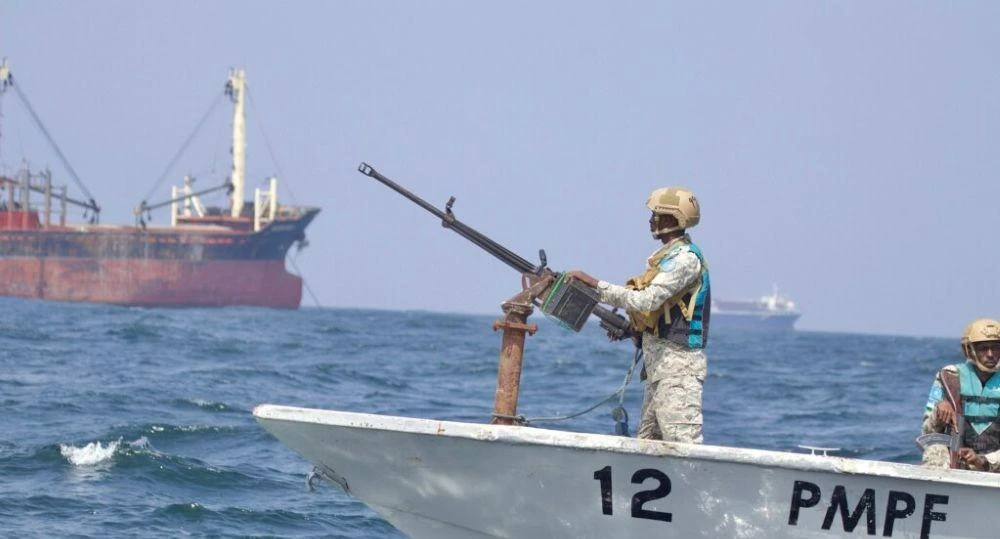
In November, Pakistan Navy seized narcotics worth Rs36 billion ($130 million) under a Saudi-led maritime task force. 

In October, another Pakistan Navy ship seized a record haul worth nearly Rs271 billion ($972 million), one of the largest drug seizures ever reported in the North Arabian Sea.