



MAKKAH: Present-day Saudi Arabia is home to several archaeological sites belonging to different civilizations that once thrived in the Arabian Peninsula.
In addition to these sites, many Saudis own private museums in different parts of the Kingdom.
These museums contain rare artifacts passed on to their respective owners from their forefathers. Some of these people want to educate others about the rich past of the peninsula and Nourah Al-Ghazwani is one of them. Al-Ghazwani is one those history buffs who sold her jewelry to help toward setting up a heritage museum.
FASTFACTS
• Nourah Al-Ghazwani established her own private museum in Belghazi, a city in Jazan’s Al-Edabi governorate.
• Her permanent display is now made up of more than 600 rare artifacts, some dating back 1,000 years.
• The museum, in Bassam village, is open to visitors and is located close to five heritage sites containing hundreds of historical buildings.
She established her own private museum in Belghazi, a city in Jazan’s Al-Edabi governorate, after running self-funded touring exhibitions showcasing items of interest from the region.
Jazan heritage
Castles and stone forts housing artifacts and rock inscriptions are spread across the peaks and in the flanks of the mountains of the region.
The Jazan Mountains are host to more than 54,000 coffee trees farmed by 600 farmers, annually producing 300 tons of their delicious beans.
The province celebrates its coffee trees by holding a festival attended by the governor of the region, some officials and people interested in coffee from around the world.
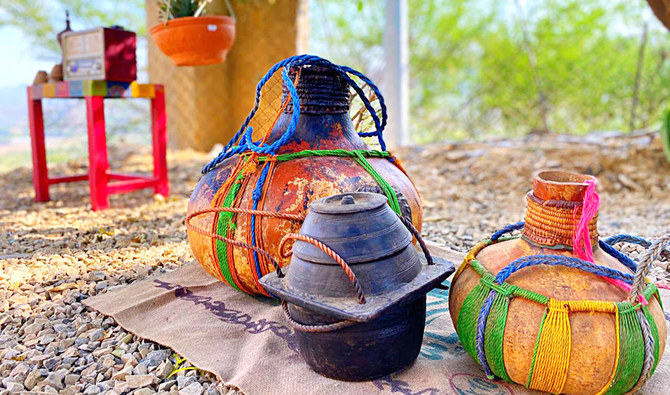
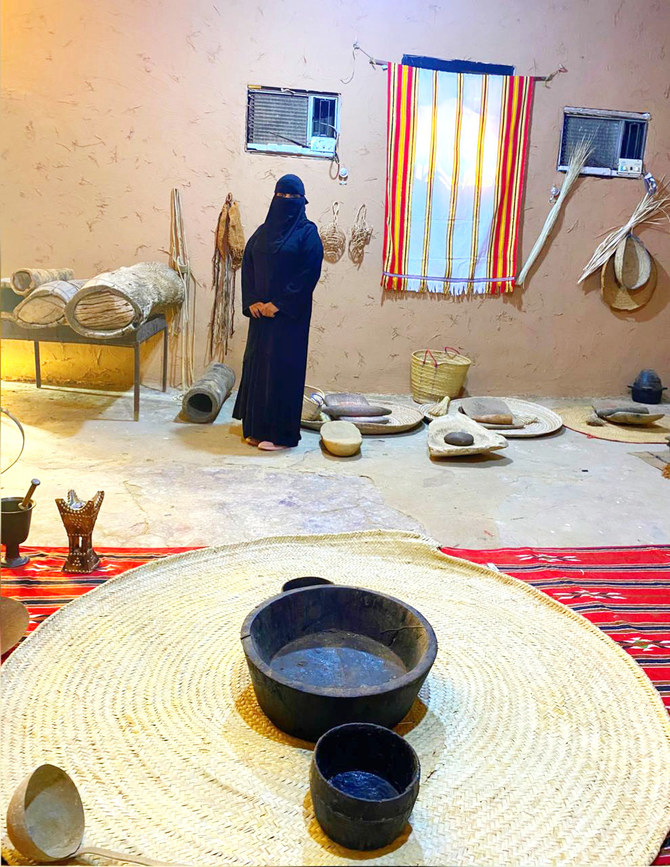
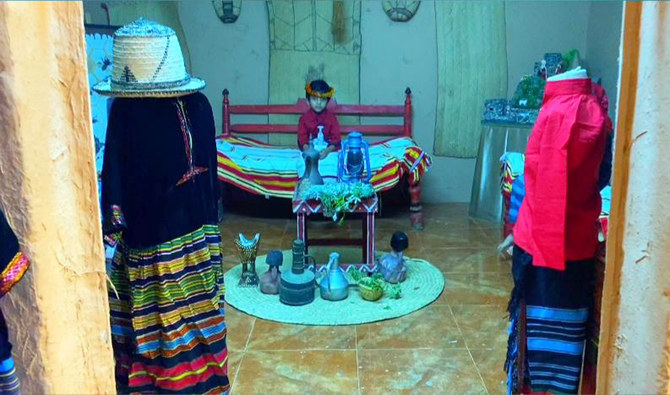
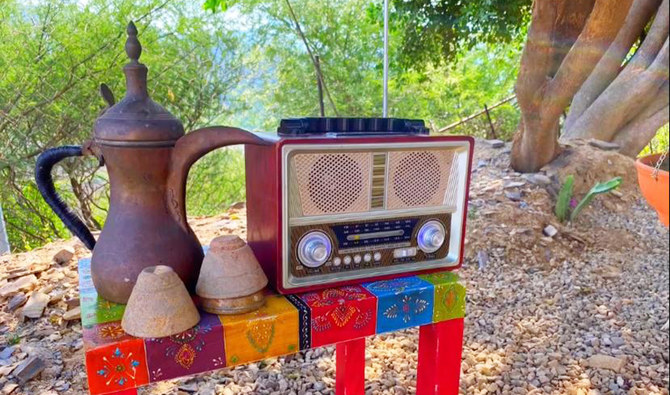
The museum presents the unique heritage of the region under one roof.
Nourah Al-Ghazwani
Exhibitions
After originally organizing small exhibitions around the region, Al-Ghazwani decided to open her museum helped by locals who assisted her in gathering together a range of heritage objects including weapons, utensils, and agricultural tools.
The museum, in Bassam village, is open to visitors and is located close to five heritage sites containing hundreds of historical buildings.
Her permanent display is now made up of more than 600 rare artifacts, some dating back 1,000 years, tracing the rich history of the mountainous south of the Kingdom.
But Al-Ghazwani, who is studying at Jazan University’s College of Shariah and Law, is looking for financial support and donations of historical items to help expand her museum business.
Preservation
Collecting rare artifacts under one roof is just the first step. Maintenance of these exhibits is also very important to keep them preserved for posterity.
“We need financial and moral support. There is still a dirt road that leads to the museum, which needs a larger space. I used a piece of land I owned to establish the project. We look forward to the support of businessmen in making this project successful,” she said.
“I am passionate about history. I established the museum with the help of my husband, children, and several other people and it presents the unique heritage of the region under one roof,” Al-Ghazwani said.
She used her own money to fund the touring displays and, on many occasions, had to sell her gold jewelry to keep her dream alive.


