


At the beginning of September, Facebook Inc. announced the launch of #LoveLocal, a new initiative to support local small and medium businesses (SMBs) in the Middle East and North Africa (MENA) region, which have been among the hardest hit during the coronavirus disease (COVID-19) pandemic.
It has now partnered with leading regional creative agency TBWA\RAAD for the campaign, which aims to amplify the voices of local SMBs, shed light on their stories and challenges and help generate consumer demand for them across the region.
The campaign’s main video depicts eight unique stories filmed across Egypt, Jordan and Lebanon, featuring a real and diverse cast of small business owners in local shops who share their daily experiences and personal anecdotes.
A host of content pieces and executions have been developed for the campaign, including videos, IG stories, interviews with small business owners and a content creators’ activation idea. One of the executions includes a #LoveLocal pledge frame that users can add to their Facebook profile and pledge support to SMBs. On Instagram, this filter will be available as a trackable augmented reality filter where users will be able to post and highlight their favorite small business.
As part of the campaign, Facebook will be rolling out video content that will serve as a reminder of the emotional connection the public has with small businesses beyond the transaction. Facebook will also be working with content creators and communities from across the MENA region who will take part in a fun, interactive challenge for one day that will see them nominate each other to pick and support a local SMB.
“The relationships people have with local SMBs extend beyond the products and services. In our region, you don’t go to the hairdresser or to the corner shop. You go to Tony’s, or Emm Nazih’s, or Abou Houda’s. SMBs are not businesses; they are the people. Their names are on the signboards. We wanted this element to come to the fore, and this is what is exceptional about the campaign,” said Reda Raad, group CEO of TBWA\RAAD.
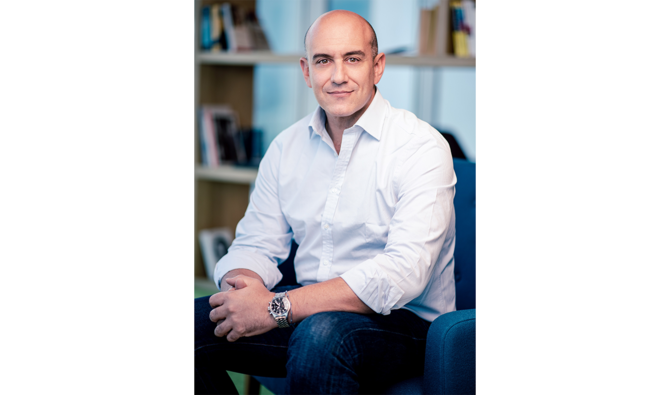
The move comes amid Facebook’s global ad boycott by major advertisers. When asked how Facebook is working with SMBs to ensure that they feel comfortable using the Facebook family of products and services, Ramez Shehadi, managing director at Facebook MENA, said: “We work closely with our SMB community to reassure them of our approach to hate speech. Facebook stands firmly against hate. We don’t benefit from it and we never have. Our users don’t want to see it and our advertisers don’t want to be associated with it.
“We invest billions of dollars each year to keep our community safe and continuously work with outside experts to review and update our policies. We’ve opened ourselves up to a civil rights audit, and we have banned 250 white supremacist organizations from Facebook and Instagram. The investments we have made in AI mean that we find nearly 90 percent of hate speech before users report it to us, while a recent EU report found Facebook assessed more hate speech reports in 24 hours than Twitter and YouTube. We know we have more work to do, and we’ll continue to work with civil rights groups, the Global Alliance for Responsible Media, and other experts to develop even more tools, technology and policies to continue this fight.”


