- Dr. Shahzad Ahmad Mumtaz belongs to a small town in southern Punjab and has been working in the kingdom for the last 18 years
- His efforts not only reduced the COVID-19 mortality rate at the King Salman Hospital but also turned it into the first green medical facility
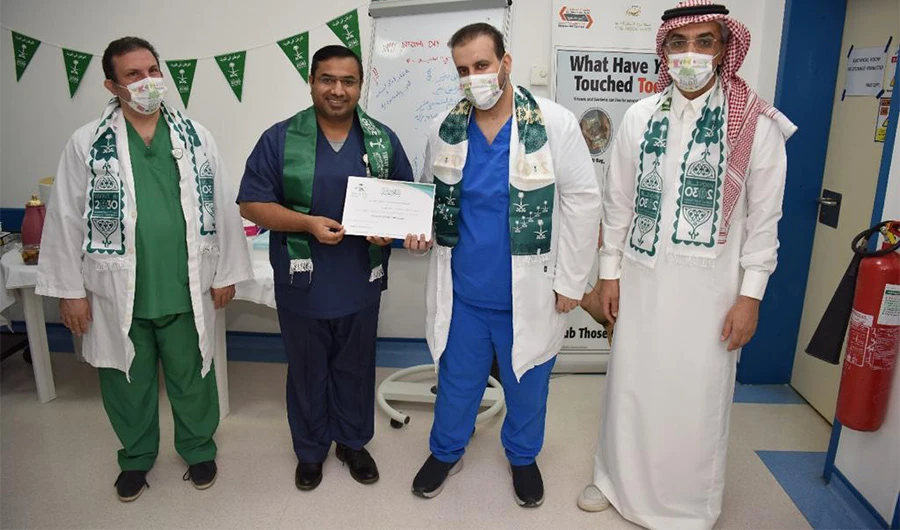
ISLAMABAD: Saudi Arabia’s health ministry presented a leadership award and appreciation certificate to a Pakistani doctor, Shahzad Ahmad Mumtaz, on the kingdom’s national day in recognition of his services as a COVID-19 team leader in the fight against the coronavirus pandemic.
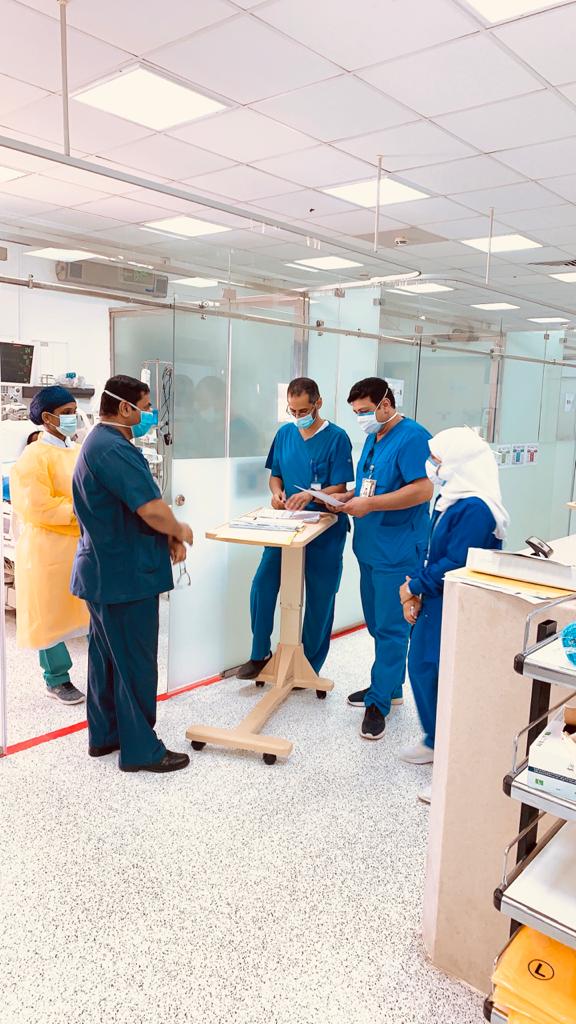
“In recognition of my services as head of the Intensive Care Unit (ICU) at the King Salman Hospital, I was given leadership award and appreciation certificate by the Saudi health ministry,” Mumtaz told Arab News over telephone from Riyadh on Saturday, adding that he was awarded in a ceremony organized by the hospital on September 23.
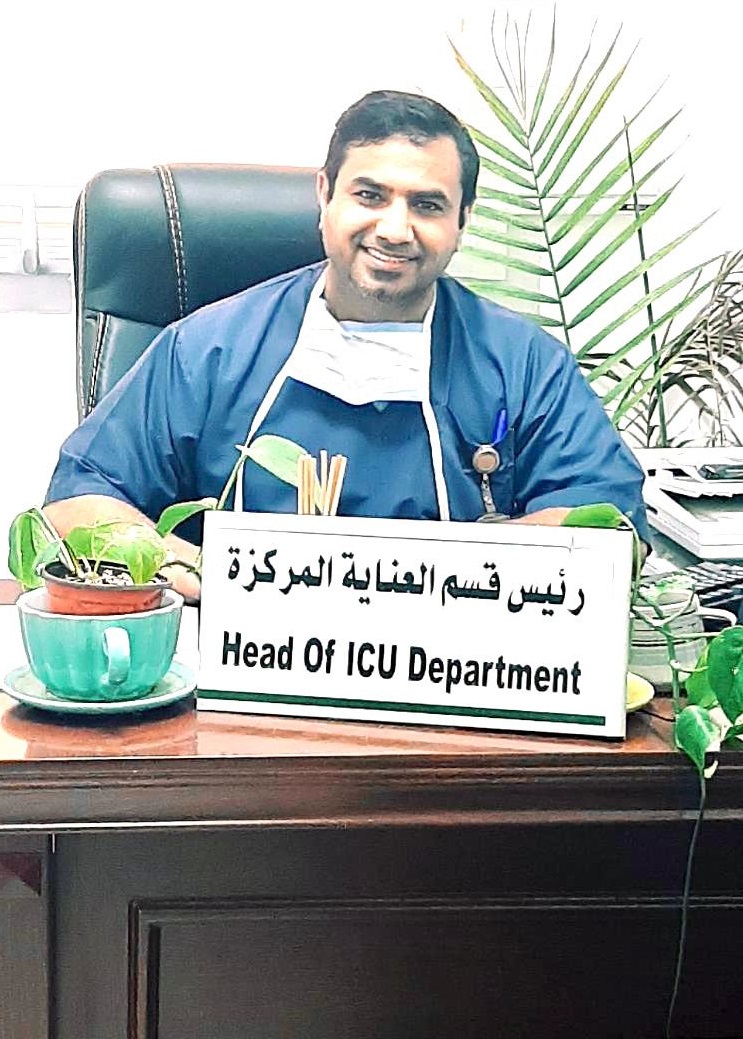
Hailing from Layyah, a small city in southern Punjab, Mumtaz has been working in Saudi Arabia for the last 18 years. Before his appointment at the King Salman Hospital, he worked as a director at the King Saud Medical City. He also served as an ICU head at Al-Noor Specialist Hospital, Makkah, and Jabal Al-Rahmah Hospital, Arafat.
“At the outset of the pandemic, the COVID-19 mortality rate was very high at the King Salman Hospital. That is the reason why I was brought here as the ICU head to increase the hospital’s capacity to deal with the challenge posed by the pandemic,” he said.
Mumtaz informed that he succeeded in bringing down these deaths by 10 percent during the last five months with better team management and greater use of modern techniques and technology.
“The mortality rate related to COVID-19 in international ICUs is around 30 percent since very critical patients are shifted to these units. The ICU at the King Salman Hospital has remained under 10 percent during the last five months,” he said.
“During all this time, I have not taken a single leave and worked for 18-20 hours a day,” he continued.
“After joining, I immediately extended the ICU from 14 to 60 beds. We used the helmet technology that is mostly preferred in Spain and Continuous Positive Airway Pressure which is recommended by Americans. The two things produced impressive results in our hospital during the pandemic,” he said.
Mumtaz informed that the King Salman Hospital was converted into a non-COVID, green hospital on September 1.
“We received a lot of appreciation from the Saudi health ministry,” he added. “It helped in the surgical treatment of general patients which was stopped due to the influx of COVID-19 patients.”
The kingdom recorded a significant drop in COVID-19 cases and related deaths in the last few days. The total number of recoveries in Saudi Arabia increased to 315,636 after 843 more patients recently recovered from the virus.
Meanwhile, 4,625 people have also succumbed to the virus in the Kingdom so far.