



JEDDAH: A language teacher at a Riyadh elementary school has been praised as an inspiring role model after continuing to teach while undergoing chemotherapy treatment for cancer.
Mohammed Al-Faifi, 37, who teaches third grade Arabic language at Abu Omar Al-Dany Elementary School in the capital, told Arab News the support he has received from the Education Ministry, colleagues and students has helped to keep his spirits up during a difficult time.
Saudi Minister of Education, Hamad bin Mohammed Al-Sheikh, called Al-Faifi personally to thank him for carrying out his duties while battling cancer, while education consultant Hanan Al-Hamad suggested the teacher’s stance could inspire students “who will understand that illness is not an obstacle to work or living a normal life.”
#فيديو |#منصة_مدرستي تجمع #وزير_التعليم والمعلم محمد الفيفي وطلابه..
كلمات الشكر، ودعوات الشفاء؛ لمعلم لم يمنعه مرض السرطان أن يؤدي رسالته، ويعود للحياة بأمل وتفاؤل.
شكراً لكل معلم ومعلمة على جهودهم المخلصة. pic.twitter.com/rd3KakFNF8— وزارة التعليم - عام (@moe_gov_sa) September 17, 2020
However, Al-Faifi’s story, which has gone viral on social media locally and globally, has also divided opinion among Saudis.
While some social media users say Al-Faifi is setting a great example to all teachers, others believe he should take long-term sick leave to rest and complete his treatment. Al-Hamad told Arab News that she agreed Al-Faifi should stop working until he is fully recovered.
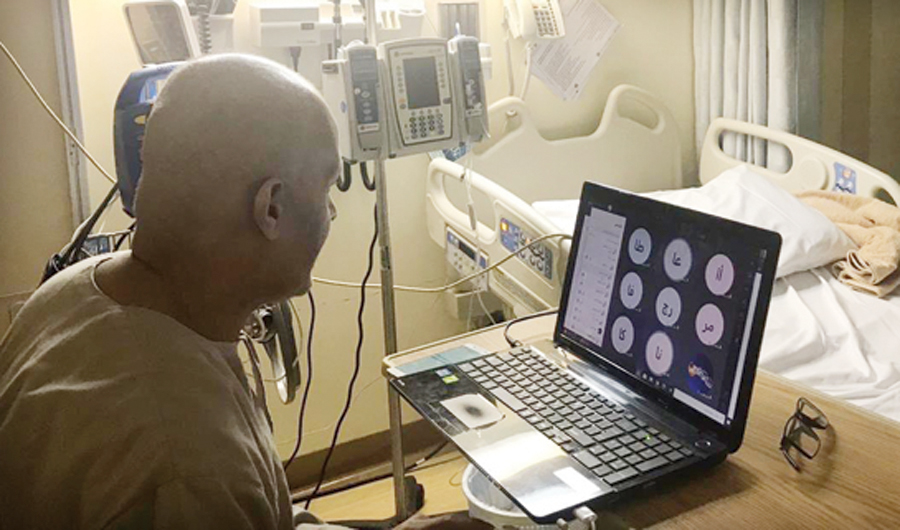
Mohammed Al-Faifi, 37, teaches third grade Arabic language at Abu Omar Al-Dany Elementary School in the capital. (Photo/Social media)
“A teacher’s health is a priority. Psychological and mental comfort is an important factor in every patient’s treatment process. I have been an educational supervisor for 12 years, and I have dealt with similar cases, she said. Al-Hamad said that going through such hard times can affect a person’s work performance. “In Al-Faifi’s case, his work responsibilities, such as daily planning for lessons, can add to his health problems,” she said.
However, continuing to work could also help Al-Faifi improve, “especially if he knows that he is doing something that he loves.”
However, she added: “I am not sure how long he can go on with that feeling — teaching is mentally demanding and requires a lot of preparation, research and follow-up.”
Al-Faifi’s students’ knowledge of their teacher’s health issues could help inspire them, Al-Hamad said.
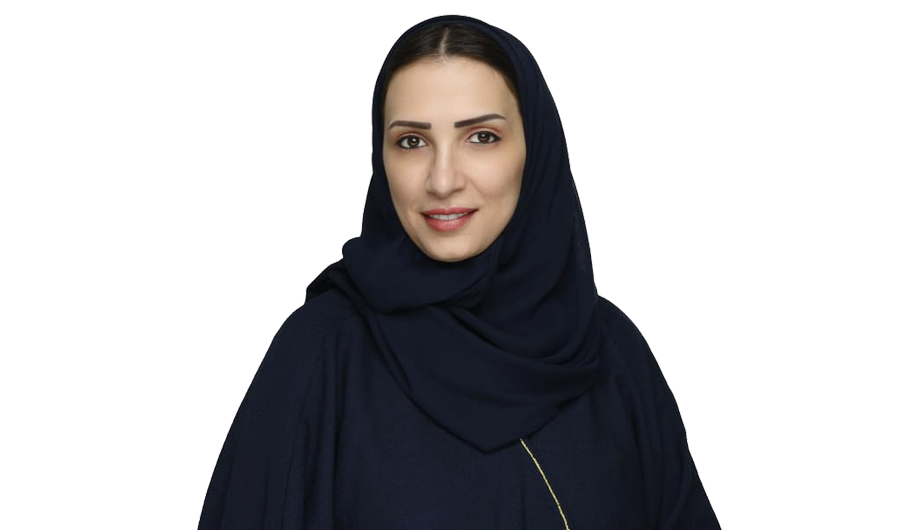
Hanan Al-Hamad
“They will get accustomed to the idea that illness is not an obstacle to work or living a normal life. Moreover, when students realize the struggle cancer patients go through, they begin to think of ways to support them and may come up with inventive ideas in the future to help save patients’ lives.”
Al-Hamad said that children normally need an active teacher who can engage them in interactive class activities. “If a teacher is unable to control his students or has shown any performance shortcomings, this will not only affect students’ performance, but also harm that teacher’s mental health.”
Schoolteacher Fatimah Al-Shahrani said that she had continued teaching her students remotely during a two-week sick leave.
Al-Shahrani thought she had done a great job — until she heard about Al-Faifi’s efforts.
“After staying in hospital for four days, I was given 14 days’ sick leave. I felt a responsibility to continue teaching my students online.
“I was happy to do that and even felt proud of myself, but when I heard this man’s story, I realized that what I did was nothing compared with what Al-Faifi is doing for his students,” she said.
“I feel shy mentioning what I did for my students. It was nothing, in fact.”
Meanwhile, Abdullah Al-Hial, a teacher from Makkah, praised both Al-Faifi’s gesture and the education minister’s call through the Madrasati platform for distance learning.
“A faithful teacher, a supportive minister and an advanced education system. This is simply what it means to me,” he said.


