CAIRO: Egyptian authorities have said that all hazardous substances stored at airports will be moved to safe storage to avoid the risk of a similar explosion to the devastating Beirut blast.
The move comes as countries around the world reevaluate safety protocols for storage of hazardous materials in the wake of the disaster in Lebanon.
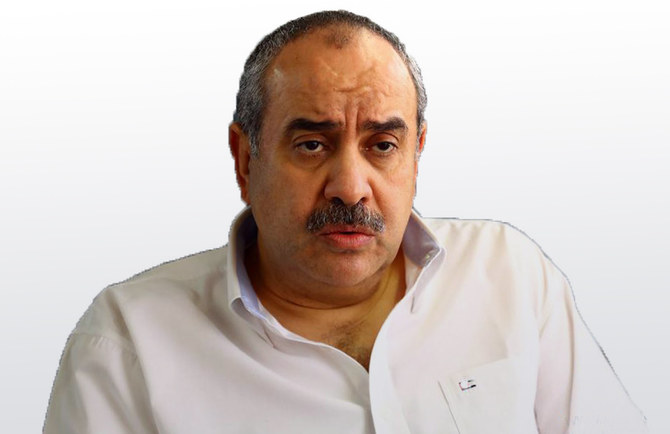
Egypt’s Minister of Civil Aviation Mohamed Manar said a high-level committee will examine all shipments in storehouses and containers in the cargo areas of airports in the country, including Cairo.
The investigation will help to ensure the safety of employees and visitors at Egypt’s airports, he said.
The committee’s precautionary measures will include immediately moving hazardous materials to safe storage areas away from airports and residential areas.
Manar said that the committee will carry out a comprehensive evaluation of all measures applied in storage areas in order to provide the highest standards of safety and security in accordance with the instructions of the International Civil Aviation Organization.
The minister said that the decision aims to counter risks and protect all civil aviation employees.
Iraq Border Management and Migration Control Authority also announced that “extremely hazardous substances” were moved from Baghdad International Airport.
The authority said that the products were safely transferred from the airport’s air cargo department to warehouses operated by the Military Engineering Directorate.
The directorate, affiliated with the Ministry of Defense, carried out the move. However, the authority did not reveal the nature of the substances or provide further details.
Meanwhile, Arab League Secretary-General Ahmed Aboul Gheit highlighted the danger posed by a floating oil tanker near the Houthi-controlled Yemeni coasts. The ship is carrying 1 million barrels of oil.
Aboul Gheit said that the devastating impact of the Lebanon explosion “reminds us of the hazards posed by this oil tanker.”
The tanker has not undergone maintenance since the civil war began in 2015, he said. Aboul Gheit called on the UN Security Council to intervene so a UN team could carry out essential maintenance.
An Arab League Secretariat official said that “the main reason behind the lack of maintenance is the procrastination practiced by the Houthis to prevent to the UN team from accessing the ship. The UN Security Council held a special session to discuss the ship issue in mid-July.”
He warned that water had leaked into the tanker’s engine, increasing the risk of the vessel sinking or exploding.
Although a temporary repair was carried out, the UN confirmed that this could lead to a disaster, with devastating effects on marine life in the Red Sea.


Egypt, Iraq move ‘hazardous materials’ amid safety drive
https://arab.news/gcatu
Egypt, Iraq move ‘hazardous materials’ amid safety drive

- A high-level committee in Egypt will examine all shipments in storehouses and containers in the cargo areas of airports in the country


Israel holds 9,500 Palestinian prisoners as of March
- Administrative detainees represent 36 percent of all Palestinians in Israeli prisons
LONDON: Israeli prison authorities held 9,500 prisoners and detainees as of the first week of March, indicating a 2.15 percent increase from February, according to reports from Palestinian prisoners’ organizations.
Currently, there are 73 female prisoners and 350 individuals under the age of 18 detained in the notorious prisons of Megiddo and Ofer.
The number of administrative detainees is 3,442, the highest percentage among those sentenced, arrested, or classified as “unlawful combatants.” They represent 36 percent of all Palestinians in Israeli prisons, where individuals can be indefinitely detained without charge in military detention centers.
There are also 1,249 “unlawful combatants” detained from inside the Gaza Strip after Oct. 7, 2023, as well as those who were detained from Lebanon and Syria.


