


BEIRUT: Lebanon’s government was accused on Saturday of botching its response to the coronavirus pandemic and urged to impose a tough new lockdown after the average number of daily cases doubled in a week.
The state coronavirus committee of medical specialists has advised closing markets, bars, nightclubs, indoor pools, children’s clubs and sports halls, and banning beach parties and religious and social events for a week.
“If Lebanon continues to witness an increase in cases of infection, and as long as the Lebanese do not adhere to the preventive and precautionary measures, then we must get to this level,” Dr. Abdel-Rahman Bizri, a member of the national committee for infectious diseases, told Arab News.
The number of cases of COVID-19 infections in Lebanon passed 3,400 on Saturday, and the death toll rose to 46. The number of infections during the past week increased from 75 cases a day to 166.
“We are currently wavering between the third and fourth phase in confronting the virus, which means that we reached the stage of societal reproduction because the virus is internally spread and not being transmitted by people coming from abroad,” Bizri said.
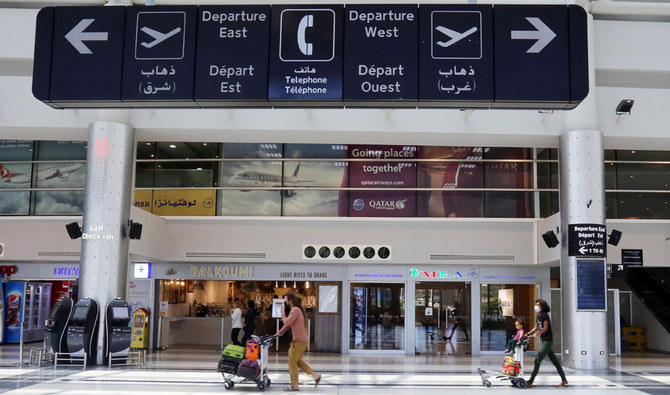
Lebanon reopened its international airport on July 1 for commercial air traffic, with passengers required to be tested and proved free of the virus.
Dr. Ismail Sukkarieh, head of the health, rights and dignity commission, said COVID-19 had regained momentum in Lebanon. “The state that is supposed to manage the health crisis has lost its credibility,” he said.
“It did not allocate a specific hospital to receive those who have contracted COVID-19, nor did it train people on how to confront it. Government hospitals are not prepared to confront the pandemic, while private hospitals have relinquished their responsibilities and the state was not able to force them to allocate special departments for people infected with COVID-19, although they have been the biggest beneficiaries of state funds for years.
“The way the airport was reopened to the public was marred by chaos. There were frauds in virus tests, and no measures were taken against the counterfeiters, which proves that people in Lebanon are reckless in dealing with the disease.
“The state wanted to show itself as the victor for reasons not related to health, but the reality is different. They opened the airport, allowed weddings and gatherings, and the real situation was revealed.”
In Saudi Arabia, authorities recorded 2,201 new virus cases, taking the total to 264,973, and the death toll rose by 31 to 2,703. Worldwide, the virus has infected more than 16 million people and killed nearly 645,000.
There were more than 280,000 new cases recorded globally on both Thursday and Friday, the highest daily increases since the pandemic began. Nearly a third of the worldwide infections have been registered since July 1.
The World Health Organization said on Saturday that more than a million cases had been recorded in each of the past five weeks.
“While no country is unaffected, this rise is driven by high transmission in large and populous countries in the Americas and South Asia,” it said.
Meanwhile, the Ministry of Health, along with relevant security services, has seized tons of rotten and expired chicken and fish meat recycled in factories far from Beirut.
Dr. Zouhair Berro, president of the Consumer Protection Association, said it was “only the tip of the iceberg,” and that there were, in Lebanese warehouses, huge amounts of accumulated goods, many of which were sold to Syrian refugees.
“The association had warned the Ministry of Health about the issue. What is the government waiting for to implement the laws of food safety, free competition and prohibiting monopoly?”
“There are crises of waste handling, electricity, bread and gasoline. Political parties are all warning of starvation while, at the same time, they are exchanging accusations while no one is held accountable for what has been committed.”
“Warehouses are full and there is no threat of shortage or starvation, rather there are monopolies, theft, fraud and privileged merchants, while the judiciary is absent and I do not know who would protect the citizens.”


