

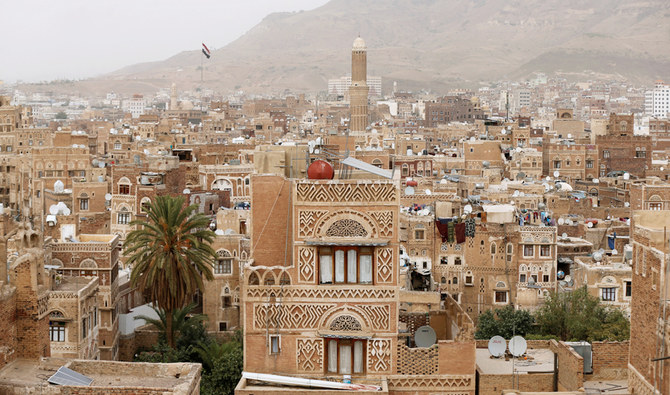
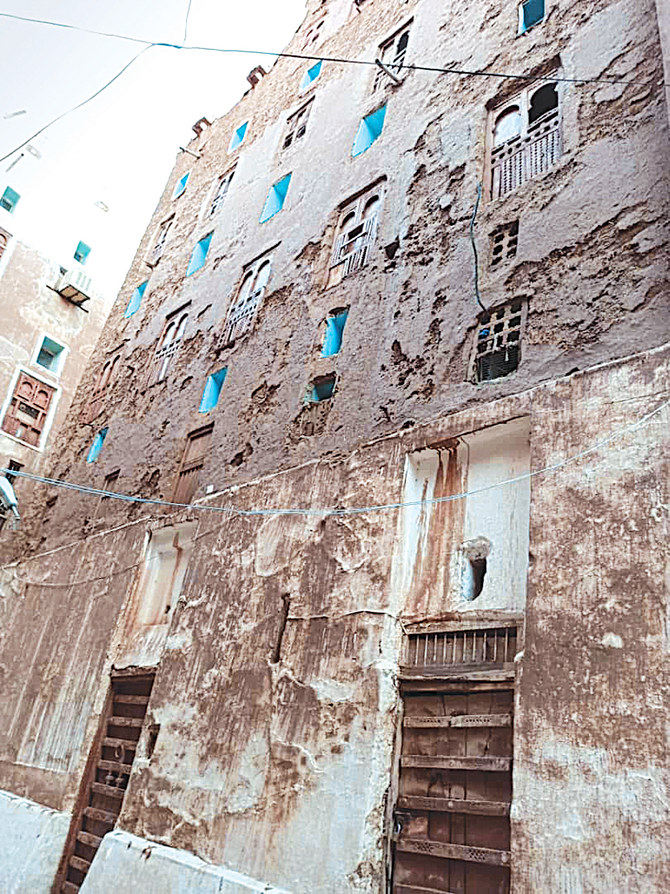

AL-MUKALLA: Authorities in southeastern Yemen have called for international help to save the historic mud-skyscraper city of Shibam from collapse after heavy rains damaged more than 100 homes.
Dubbed the “Manhattan of the Desert,” the 16th-century walled city in the province of Hadramout is the oldest metropolis in the world to use vertical construction.
However, torrential rain on Monday partially destroyed some of the UNESCO World Heritage Site’s 500 high-rise properties forcing many families out of their homes and to seek refuge with neighbors or relatives.
During a meeting in the city of Seiyun on Thursday, local authorities in the region agreed to set up an emergency committee to assess the damage to Shibam and surrounding areas. At the same time officials appealed for financial aid from UNESCO and other international and local funding bodies to help with repair and reconstruction costs.
Alawi Bin Sumait, a journalist and resident of Shibam, told Arab News: “The rains were huge and lasted from 5:30 p.m. to nearly 10 p.m.” He said the deluge overwhelmed streets, sewage systems, and power lines, and he and his son Abdullah posted images on social media showing huge cracks that had formed in some of the mud buildings.
He urged the Yemeni government to urgently allocate emergency funds toward repairing damaged houses before they crumbled.
BACKGROUND
Local authorities in the region agreed to set up an emergency committee to assess the damage to Shibam World Heritage site and surrounding areas, located in Wadi Hadramout, after torrential rains partially destroyed some of the properties.
Shibam has been deprived of vital maintenance since the beginning of the war in Yemen which had resulted in international NGOs and experts leaving the country. Even before the recent heavy rains, many properties in the clustered city were already on the verge of collapse, Bin Sumait said.
With meteorologists forecasting further rainstorms over the coming days in Shibam, and central and western parts of Yemen, local government official Hesham Al-Souaidi warned that current relief efforts could be hampered.
“This year’s rainstorms are consecutive and do not leave time for us to assess the actual damage and to offer assistance. As we move to fix the damage, another downpour hits the same areas and things get worse,” Al-Souaidi said.
On Thursday, local authorities in the central Yemeni province of Marib said that storms on Tuesday killed three internally displaced people and damaged the shelters of more than 5,000 families in five districts. Thousands of families there are in desperate need of food, shelter, clean drinking water, and medication.
Heavy rains have lashed many Yemeni provinces since the beginning of the year, causing dozens of deaths, flooding farms, and swamping water and electricity stations.


