


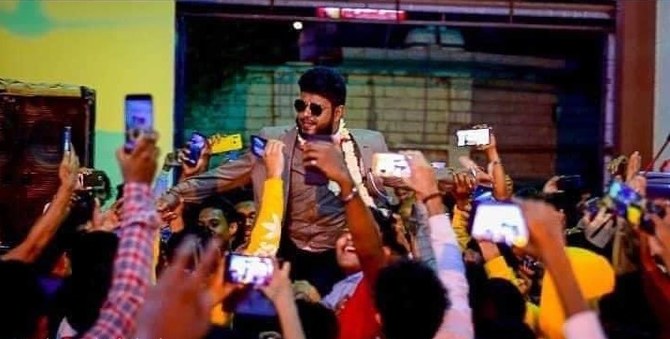

DUBAI: The story of a visually impaired Yemeni groom went viral across the Arab world on social media platforms, as thousands of people took to the streets to celebrate his wedding in Aden over the weekend.
The crowd responded to calls from Mohammed Ali Abdullah requesting them to attend his wedding.
A blind man in Aden got married today. Prior to his wedding, he posted this Facebook post as an open invite for anyone to come, mentioning he had only a few friends
The hashtag #ابشر_كلنا_اصحابك ( # We All Are Your Friends) was started & the whole city attended pic.twitter.com/fXjRkmrB7w
— pedRo (@SouthYMN) July 20, 2020
“Hello, my name is Mohammed Ali Abdullah, or as they call me, ‘Mohammed the blind’. I'm so happy that my life has become tinted in rose, although I don’t know what that looks like, but I hear roses are beautiful. I have finally found my life partner,” Abdullah wrote on Facebook.
“I have few friends and wish you can all be my friends and join me in my celebrations, as I want to prove to the world that I also have the right to be happy like other normal person. I will not see you at the wedding, but I will feel your presence," Abdullah said.
The hashtags “We are your friends” and “The blind is a groom” in the Arabic language started trending after his message circulated on social media.
After news quickly spread, local businessmen, companies and shops sent gifts to Abdullah, including financial support to the costs of his wedding, local press reported.
Videos shared on social media showed thousands gathering at the wedding hall to greet the newlyweds. Streets were packed with about 400 cars beeping in celebration, according to local reports.
#ابشر_كلنا_اصحابك
في بادره هي الاولى من نوعها في العاصمة عدن ابناء العاصمة عدن يزفون العريس الكفيف محمد علي عبدالله بموكب كبير شارك فيه الألاف من الشباب والسيارات التي جابت بالعريس في شوارع العاصمه حيث اغلقت عدد من الطرقات نتيجة الازدحام pic.twitter.com/ntfuylwe4V— شهد بنت العوالق (@SahadAlawalgy) July 18, 2020
A local activist said the wedding turned into a joyous and delightful picture of social solidarity in Yemen.


