

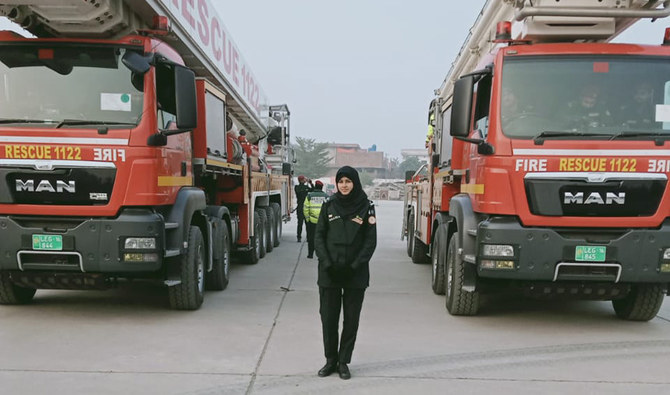

RAWALPINDI: Ten years ago, Shazia Parveen could have never imagined a job hunt would lead her to Vehari, a small city in southern Punjab, where enrolling in a training course at Rescue 1122 would see her become Pakistan’s first woman firefighter.
For six years, Parveen worked at the Vehari fire station, putting out fires in fields and factories. The big jump came in 2016 when she was promoted to an instructor and sent to Lahore to train a future generation of rescue hopefuls.
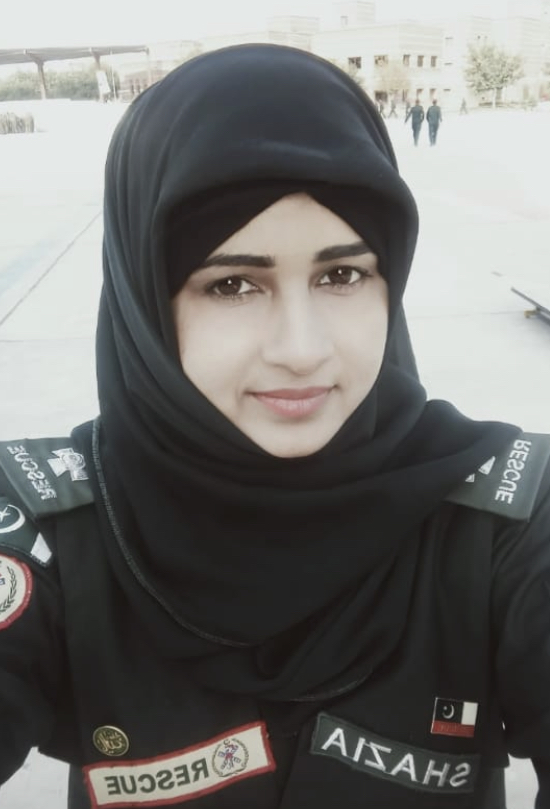
Shazia Parveen on duty as a fire rescue trainer at the Punjab Emergency Services Academy near Thokar Niaz Baig, Lahore, Pakistan, on July 9, 2020. (Photo courtesy: Shazia Parveen)
“I knew it was going to be different, something out of the ordinary, but I didn’t realize it would involve firefighting,” Parveen, who was 22 when she joined the rescue service in vehari in 2010, told Arab News over the phone on Thursday. “In fact, I didn’t know until after the training began that I was the first female firefighter in the country.”
One of eight siblings, Parveen said she was raised by a father, a retired military officer, who had taught his children to choose a job where they could help other people and serve their country.
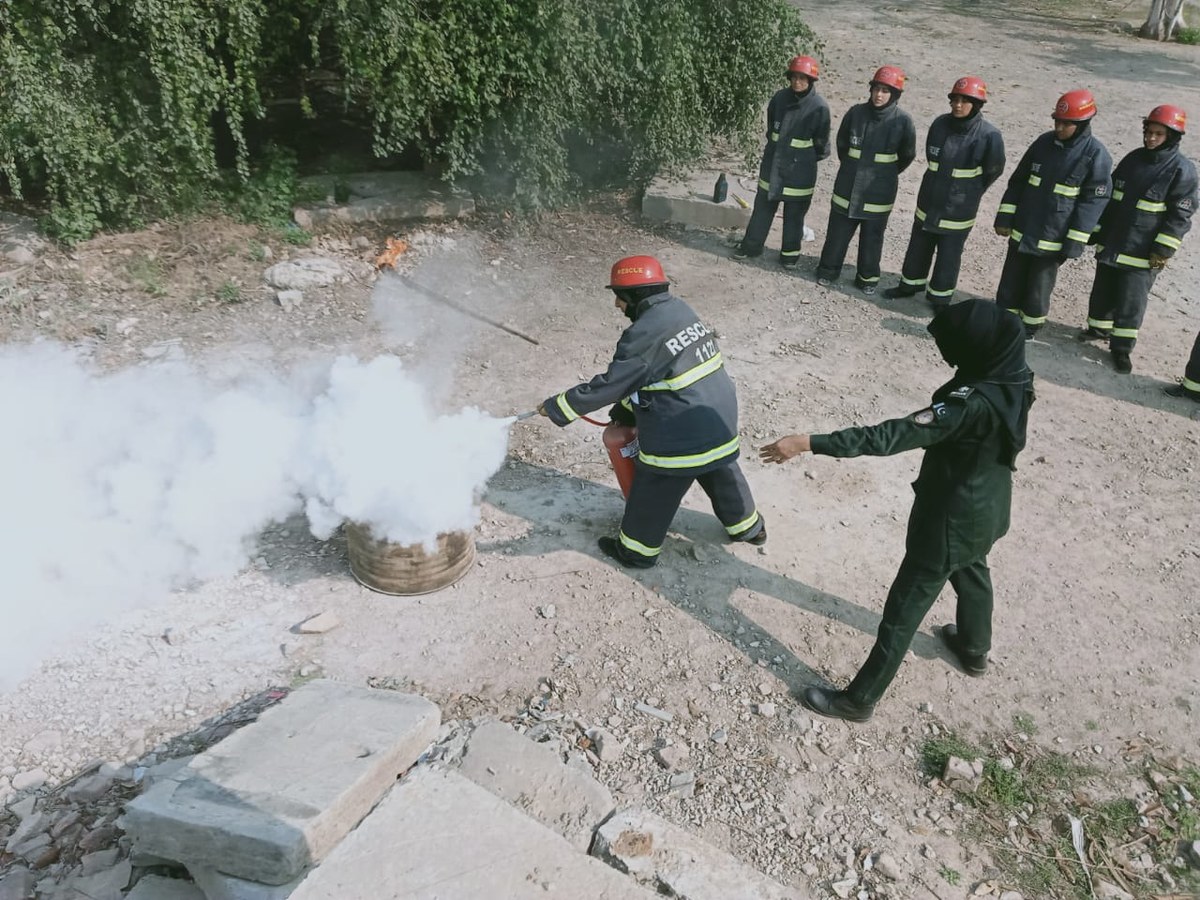
In this undated picture taken in Lahore, Pakistan, firefighter Shazia Parveen leads a class on putting out stubborn fires. In her time in Vehari, she often dealt with electrical fires in an area populated with factories. (Photo courtesy: Shazia Parveen)
“There were so many incidents [in Vehari] that it’s hard to think of one that really stood out,” she said. “But I remember a fire at a cotton factory due to the immense heat we felt when we entered the building to stop it.”
Parveen said her family and other people in her district were “incredibly supportive” of her chosen occupation.
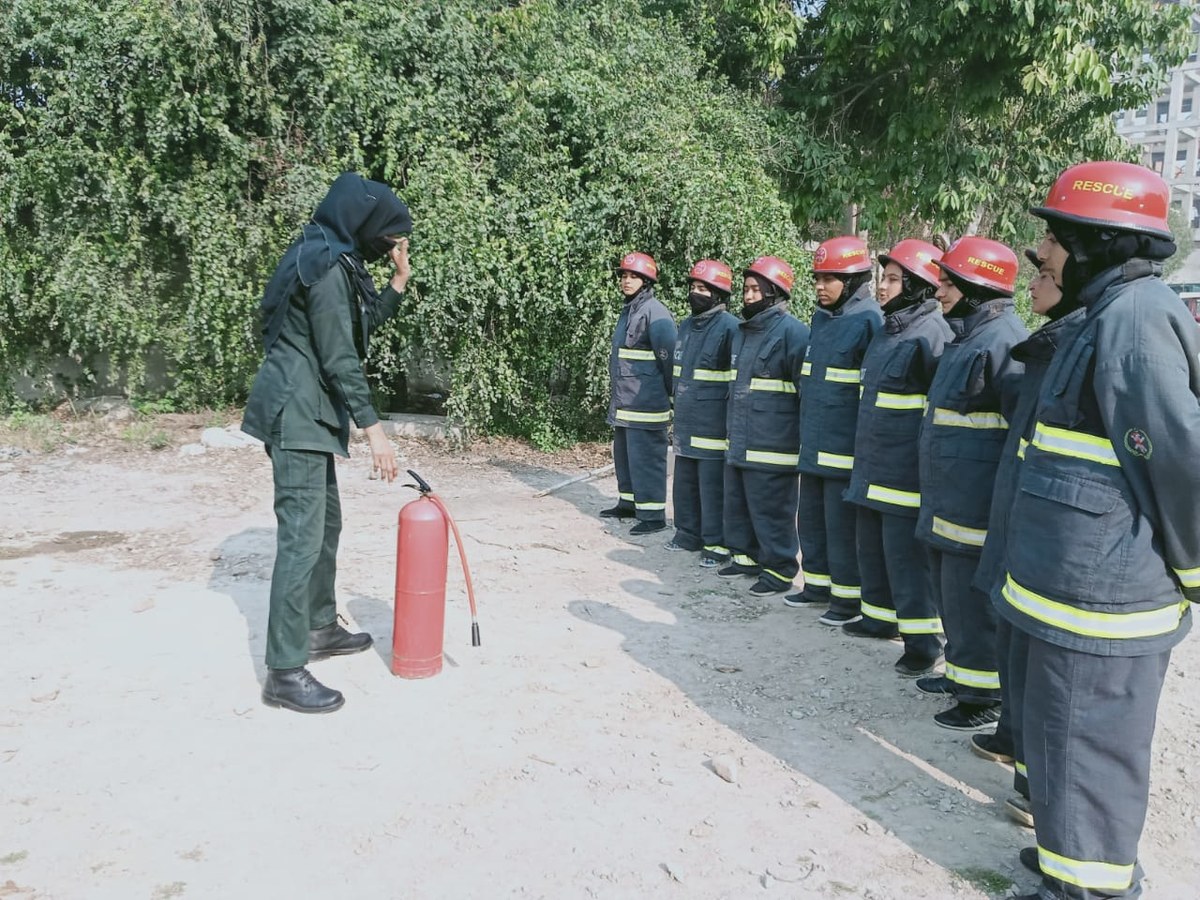
In 2010, Shazia Parveen became the first Pakistani woman to battle fires in the country’s history. A few years later, she started instructing women cadets on how to handle small fires using an extinguisher at the Punjab Emergency Services Academy. Picture taken in Lahore in 2019. (Photo courtesy: Shazia Parveen)
“Of course, sometimes they are a little shocked to see a female as a first responder,” she laughed, “but they are in their offices or homes and I am out [on these missions] doing this job for them and they truly appreciate it.”
Firefighters do more than put out fires. In cases of medical emergencies, they are often the first on the scene, equipped as Emergency Medical Technicians (EMTs), and are trained in search and rescue operations.
“I didn’t know until after the training began that I was the first female firefighter in the country,” Shazia Parveen told #ArabNewsPK who presently trains men and women as #firefighters in #Lahore || #Pakistan
–
Read special by @SabahBanoMalik: https://t.co/rXZXS7c0dX pic.twitter.com/NrOaap9YLY— Arab News Pakistan (@arabnewspk) July 10, 2020
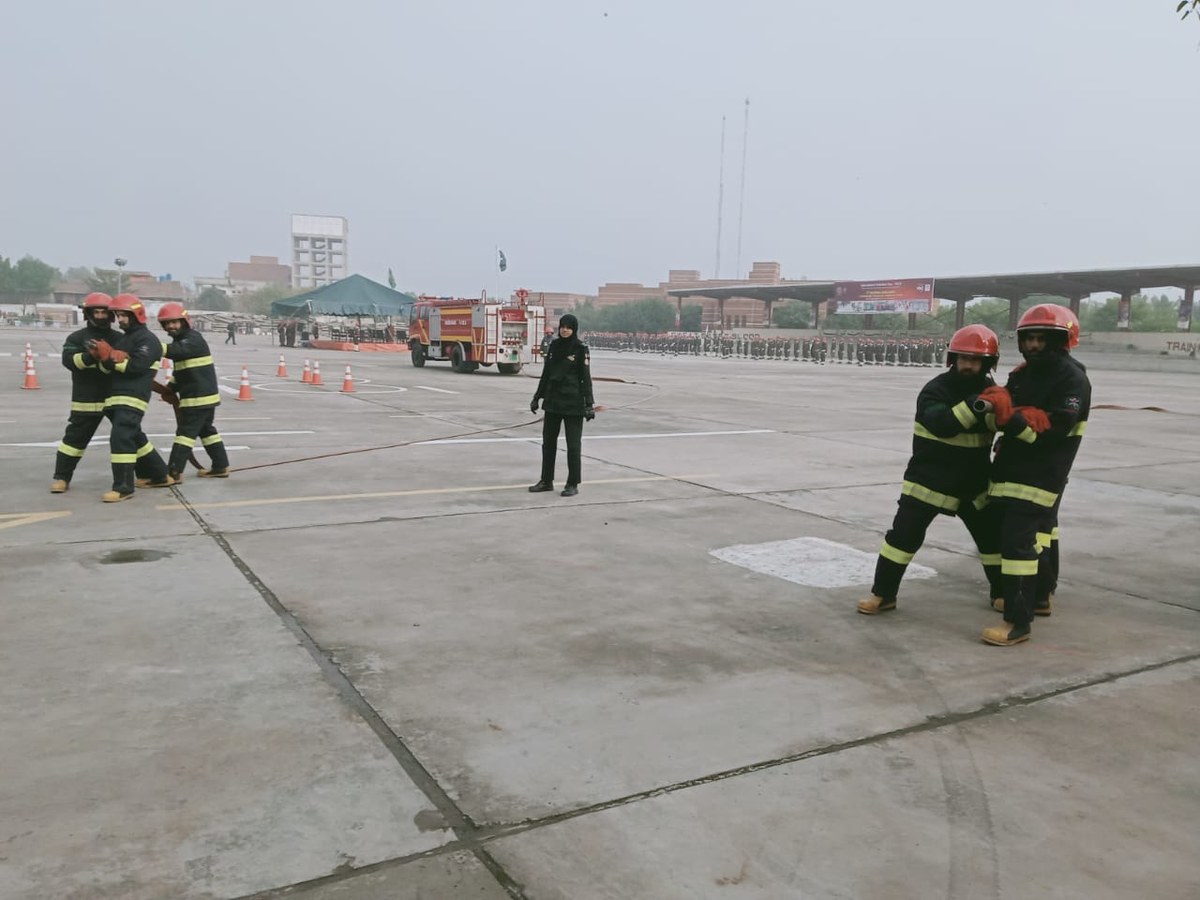
In this picture taken in Lahore in 2019, firefighter Shazia Parveen oversees drills with female cadets. She hopes that her visibility as a first responder in rescue services will encourage other women to join the field as well. (Photo courtesy: Shazia Parveen)
Then in 2016, a promotion brought Parveen to Lahore as a fire instructor at the Punjab Emergency Services Academy, where many of her students are female recruits.
“I train girls and boys as firefighters now,” she said.
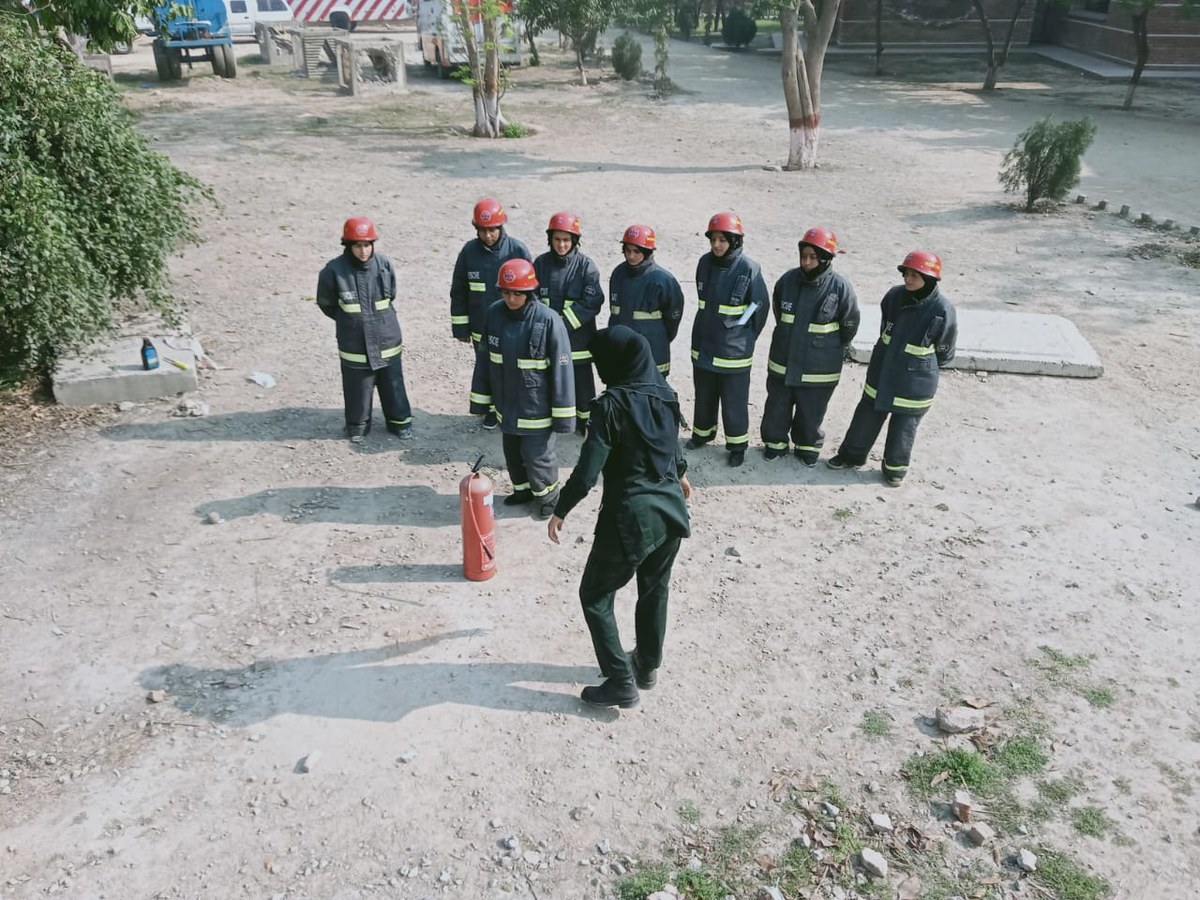
In 2010, Shazia Parveen became the first Pakistani woman to battle fires in the country’s history. A few years later, she started instructing women cadets on how to handle small fires using an extinguisher at the Punjab Emergency Services Academy. Picture taken in Lahore somewhere in 2019. (Photo courtesy: Shazia Parveen)
The number of her trainees has exceeded 1,000 people per year in a program that takes about six months to complete.
“It’s exciting to see the growing number of female recruits, though most of them come in to train as EMTs for an ambulance response. However, it’s heartening to see some of them join the fire rescue training as well,” Parveen said.
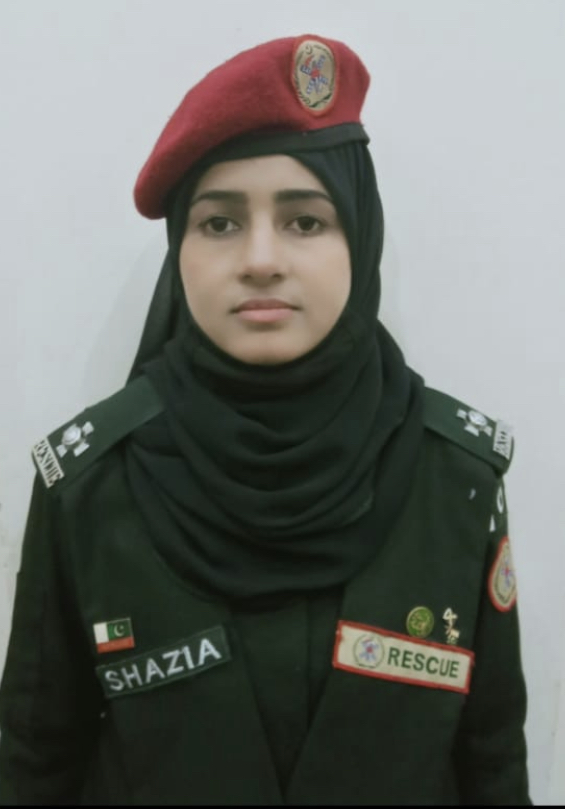
Firefighting Instructor Shazia Parveen “feels proud” of being responsible for protecting “people and their property” as a fire rescue responder. Picture taken in Lahore in 2017. (Shazia Parveen)
Thinking about her time with the service, Parveen said: “I was always treated with respect and supported by my colleagues. I am also proud to be training these firefighters today. All men and women must be encouraged to serve your country by joining such professions.”
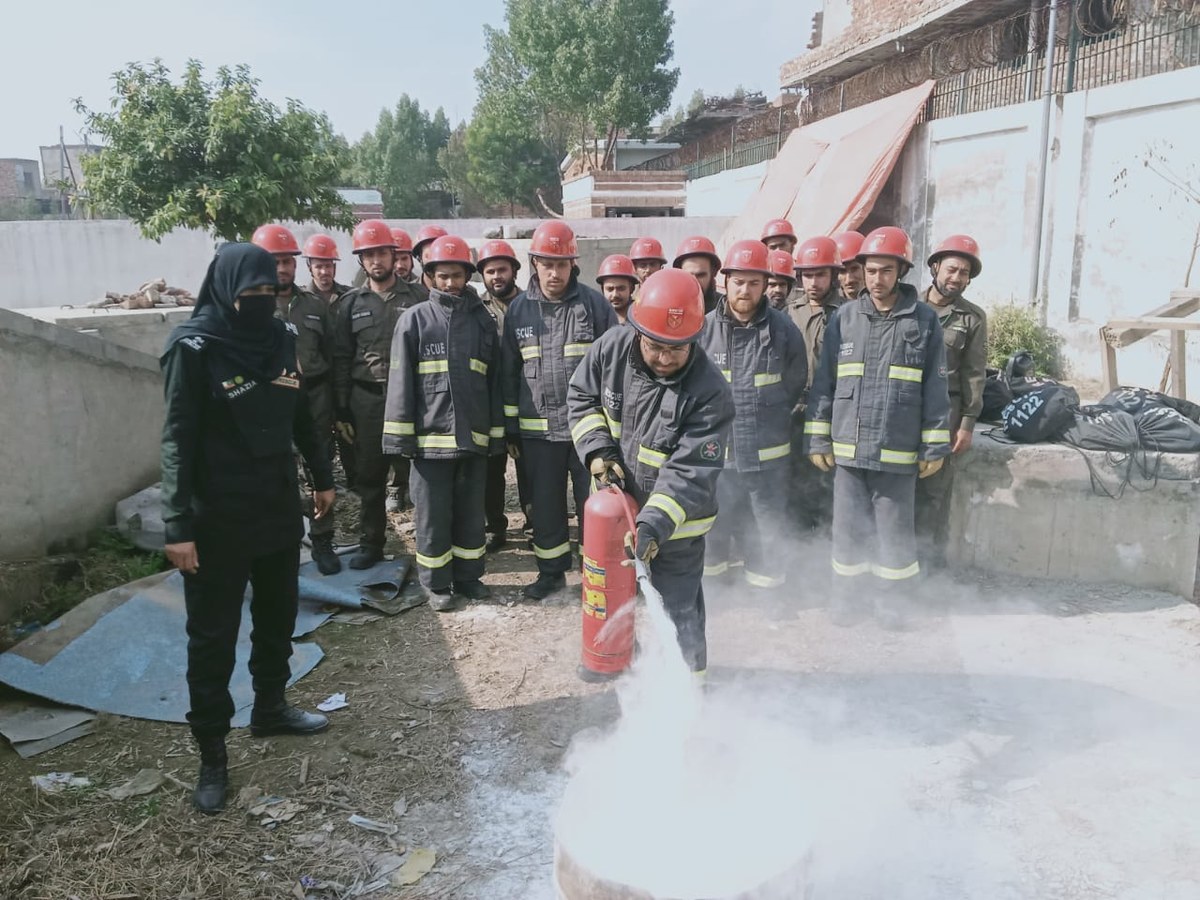
In this picture taken in Lahore somewhere in 2019, firefighter Shazia Parveen leads a class on putting out stubborn flames. In her time in Vehari, she often dealt with electrical fires in an area populated with factories. (Photo courtesy: Shazia Parveen)
As someone who has excelled in a dangerous occupation, she hopes to inspire other women as well.
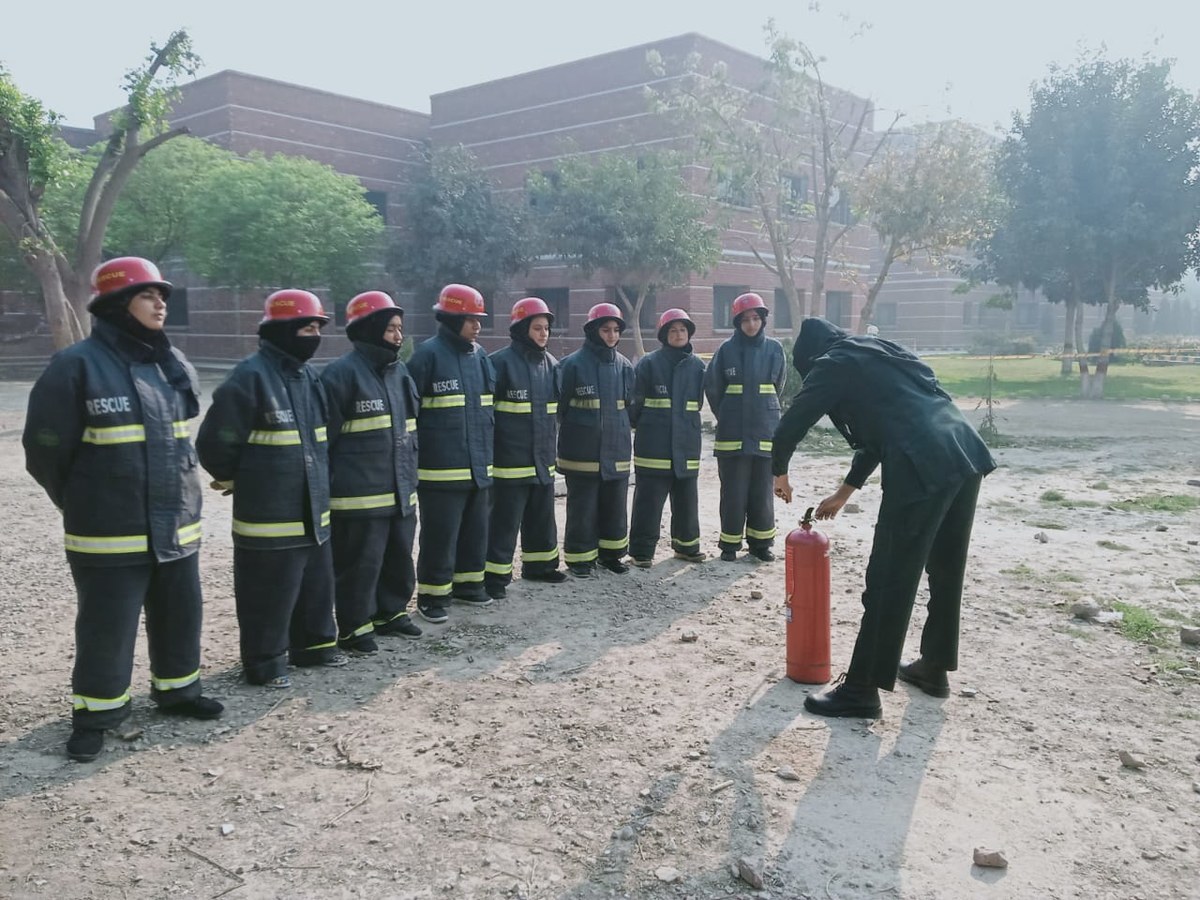
In 2010, Shazia Parveen became the first Pakistani woman to battle fires in the country’s history. A few years later, she started instructing women cadets on how to handle small fires using an extinguisher at the Punjab Emergency Services Academy. Picture taken in Lahore somewhere in 2019. (Photo courtesy: Shazia Parveen)
“I take care of people and their properties,” Parveen said. “Everything they have in their lives is my responsibility to protect, and that’s empowering. I hope my visibility brings more women into this field.”


