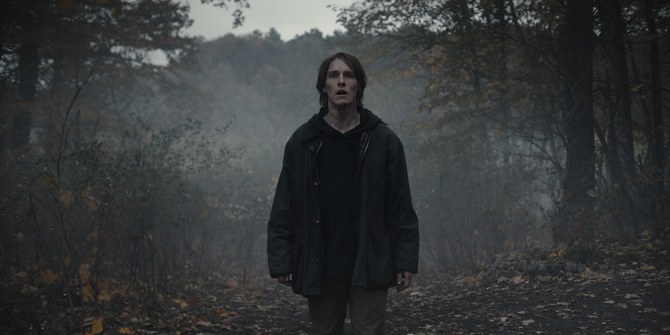

DUBAI: Can you change the past? That has been the question since Netflix’s “Dark” first debuted in 2017. The show is a time-travelling saga about a small town in Germany where, every 33 years, time aligns, allowing the town’s inhabitants to travel back and forth between past, present, and future. As the name suggests, it’s not a happy tale — at least not until the end.
“Dark” has become a smash hit across the world, ranked in the top 100 series of all time on the Internet Movie Database, above “Stranger Things,” “The West Wing” and “Mad Men.” Its final episodes capped off an incredible adventure for its lead characters Jonas and Marta, played by Louis Hofmann and Lisa Vicari, who journeyed from past to future, even into alternate dimensions, in order to try to fix their broken world and set things right again for their loved ones, even if it meant they ceased to exist.
The show’s final scenes may be its most powerful, as Jonas and Marta stand together silently, knowing their mission has come to an end. It was, according to Vicari and Hoffman, just as emotional for them as it was for their characters.
“The last scene was mine and Lisa’s last shooting day. We had closure for the characters, but we also had closure for us. And I, as Jonas, am saying goodbye to the world and goodbye to his life. As Louis, I was saying goodbye to the character, and I think that's why the scene is so truthful,” Hofmann tells Arab News. “I saw peace in the characters’ eyes. In every single one of them. I felt like it felt right for each of them.”
According to Vicari, it ended up getting so emotional that the cast and crew tried to distract each other to keep things moving on set, even playing the children’s game ‘circle punch’ to lighten the mood.

“Dark” has become a smash hit across the world, ranked in the top 100 series of all time on the Internet Movie Database. (Supplied)
“Everybody was crying at the end. This really stuck to me a lot. We actually did a lot of jokes in between so we could keep this high energy level for the whole day. We were doing little games with the crew. That's kind of what I think of when I think of filming the scenes. You're in a very delusional state while filming when the camera’s rolling. I'm not myself and sometimes I can't really remember what I did,” says Vicari.
Hofmann knows the importance of a good ending to a series’ legacy, having watched some of the most popular shows of the recent past lose years of goodwill from a disappointing finale.
“If you look at ‘Game of Thrones’ and ‘Lost,’ they stretched it out, they did more and more seasons and then they wanted to end it all of a sudden and that made it too abrupt, I would say. I think we had a head start, since we already knew what the big and round thing is. It was always planned as three seasons,” says Hofmann.
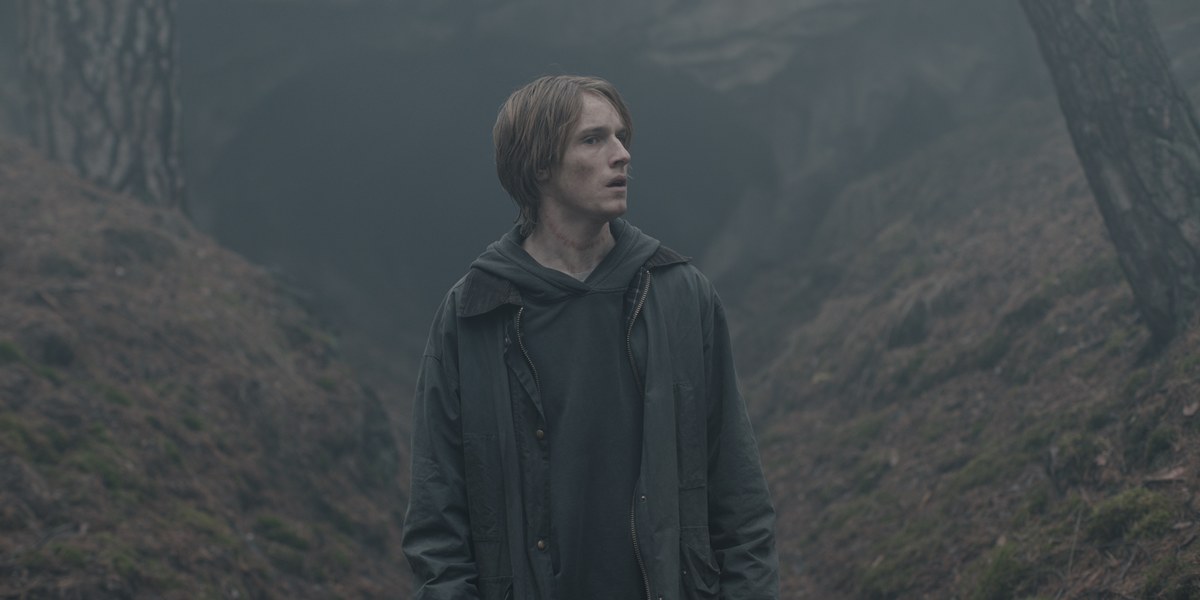
Netflix’s “Dark” first debuted in 2017. (Supplied)
During the lockdown for COVID-19, Hoffman, Vicari and the other younger members of the cast got together and watched the whole final season together, communicating over WhatsApp and Zoom.
“We all cried like hell, because it was another goodbye,” says Hoffman. “It was another time of closure. It was pretty awesome. It touched us so much because we were again saying goodbye. We’re all very happy with the ending. I don't know what other ending you think would be suitable. This was the only possibility.”
With Hoffman and Vicari both now 23 years old, they likely have a long career ahead of them, but, for each of them, “Dark” is the masterpiece that they will look back on for the rest of their lives.
“Being part of this incredible story that is so complex and so new to TV history, and meeting all these people on set, meeting the showrunners, who were amazing filmmakers, and just being able to be part of this project and their vision and having this big platform to be seen all over the world — I really learned a lot as an actress in these years of filming and I take so much joy from it and I will always remember this this part of my life,” says Vicari. “I will always keep it in my heart and cherish it.”