- Deceased’s husband and brother-in-law are in police custody
- Rural tradition of ‘Watta Satta’ usually translates into ‘a bride for a bride’
KARACHI: At least two men have been arrested in South Pakistan after a woman in her 20’s was found tortured to death along a main highway last week following a row with her husband’s family involving the tribal tradition of ‘watta satta’ or bride exchange, a senior police official told Arab News on Saturday.
The tradition is a form of marriage involving an arranged, reciprocal exchange of spouses between two families, where a pair usually consisting of a brother and sister are married from one family to another pair from another family-- usually a bride for a bride.
A first information report (FIR) was lodged against the woman’s husband, his brother and another relative by the deceased’s father on the insistence of police.
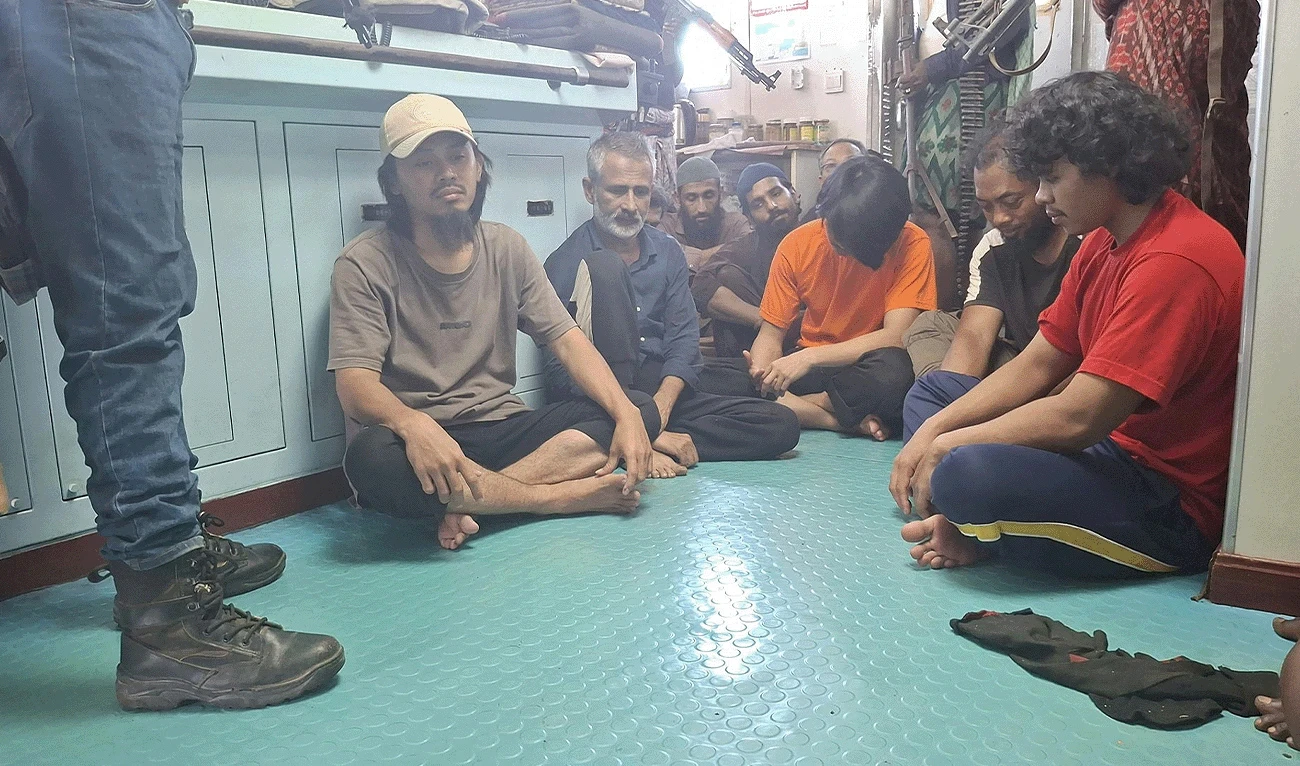
“We arrested the woman’s husband and his brother who confessed to torturing her but said she was at her father’s home [at the time of death]. Due to this and the suspicious behavior of the father, we are also investigating him,” Jamshoro’s senior superintendent of police, Amjad Sheikh, told Arab News.
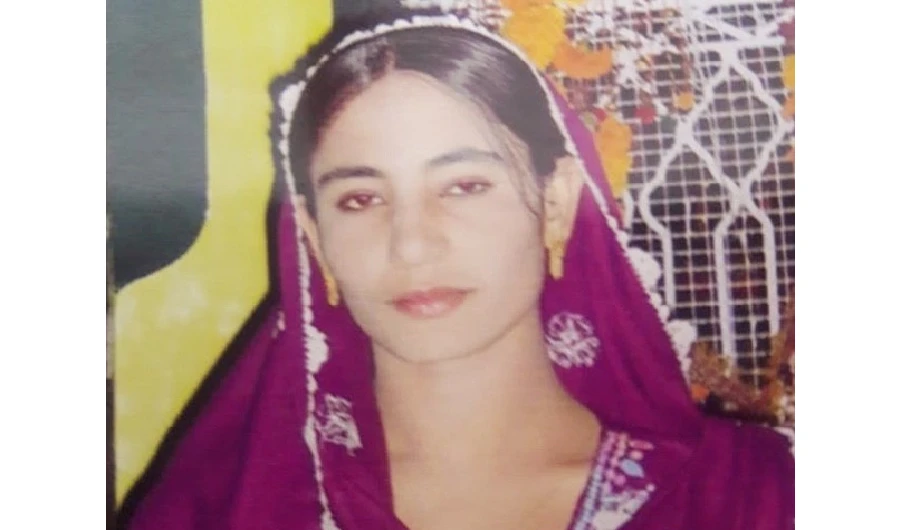
The deceased, identified as Waziran Chachar, was married five years ago with the understanding that her brother would eventually be married to her husband’s sister, a custom built on a common promise in Pakistan’s rural areas.
“When Waziran’s father demanded their girl for his son, the family refused,” a local police officer, Rasool Bux Shaikh, told Arab News.
Following the refusal, a row broke out between the families, and two weeks ago Waziran’s father brought her to his home, threatening divorce until a jirga-- an assembly of local elders and leaders-- convinced him to let her go back to her husband’s home.
Waziran’s body was found in the early hours of the morning on June 28 along the Indus highway near the village of Wada Chhachar in Sindh where she lived, Shaikh said.
The custom of Watta Satta, which translates to ‘give and take,’ has long been criticized by human rights organizations due to its underlying threat of retaliation and violence meted out to women as punishments in case of family rows.
According to the results of an initial post-mortem report, Waziran was killed by a blunt weapon. The police are waiting on more conclusive results.
“This can be a car, stone or any other object which is not sharp. We are investigating the case, and digital forensics (of mobile phones) and a detailed post-mortem report will determine who has killed the woman and how,” SSP Sheikh said.