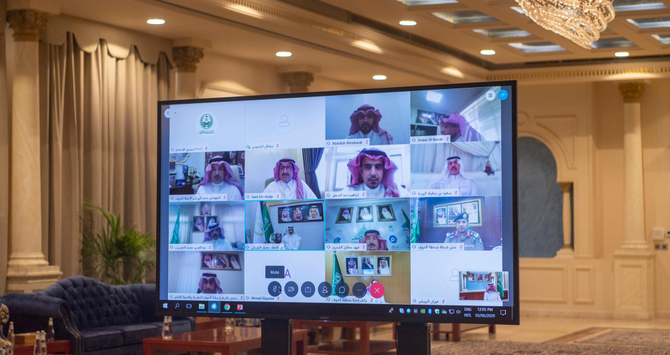

RIYADH: E-government experts recently gathered for a virtual “meetup” during which they discussed how countries with advanced e-services managed to continue to serve their citizens successfully during the coronavirus disease (COVID-19) crisis.
Organized by the Saudi Ministry of Communications and Information Technology (MCIT) and titled “The shape of e-government during and after the pandemic,” the meeting highlighted the important role that e-government played during the lockdown and how varied models helped employment e-platforms in providing services for all. It was a lesson for many countries to accelerate their digital transformation.
Moderated by ICT Coordinator at the UN Development Program Dany Wazen, the meeting’s guest speakers included Ali Al-Asiri, CEO at the Saudi e-government program Yesser, Mohammed Ali Al-Qaed, chief executive of the information and e-government authority in Bahrain, Dr. Aisha bin Bishr, director general at Smart Dubai Office and Andy Main, global head of Deloitte Digital.
The experts said that during the crisis governments introduced a hyper-connected world, which brought many opportunities for them to provide electronic accessibility and public services to their citizens through digital platforms.
Al-Asiri said that this digital transformation was only possible with strategic vision and policies, ICT infrastructure, connected society and skilled human capital.
The fundamental objective of e-government is to offer public services to citizens in an efficient, real-time, transparent, secure and cost-effective manner, it was agreed.
Al-Asiri highlighted Saudi Arabia’s successful digital transformation to home-based remote work to contain COVID-19.
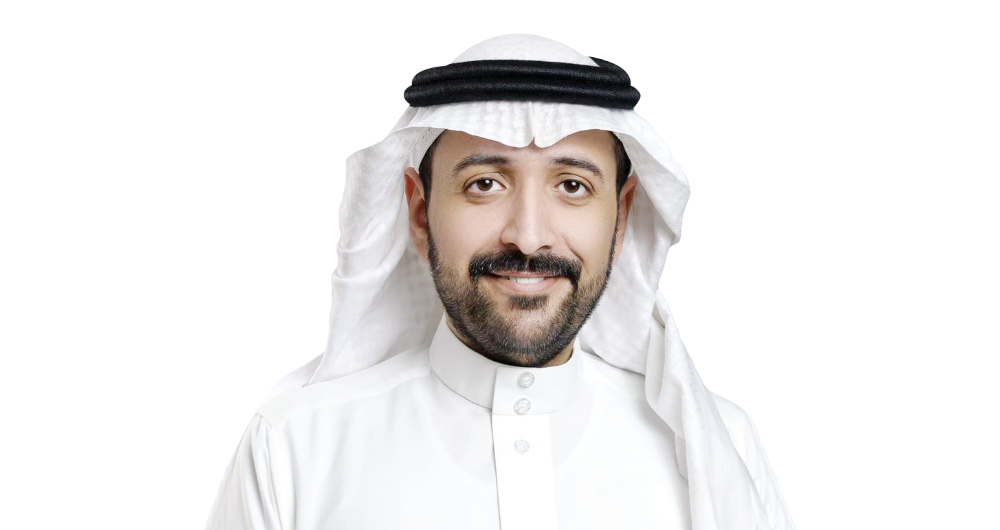
Ali Al-Asiri, CEO of Yesser
“We were very successful in working from home and this was possible because of ongoing digital transformation in the Kingdom as part of Vision 2030,” he said, noting that Saudi Arabia has taken great strides in its digital transformation, ranked 41 out of 193 countries around the world in the UN’s most recent e-government development index.
The new realities of staying at home, social distancing, teleworking and remote learning are urging governments across the globe to make a rapid digital transformation to provide easy use of e-services for citizens, simplifying compliance of governmental laws for citizens, improving citizen engagement and trust and decreasing fraud and operational cost, he said.
Bishr mentioned digital transformation initiatives such as Smart Dubai and Dubai Pulse that were imperative in harnessing the power of emerging and enabling technologies such as AI, blockchain, cloud computing and big data for sustainable and productive growth to overcome the prevailing challenges of our society, she said.
The experts agreed that on this journey of digital transformation governments need to pay great attention to cybersecurity, resilience, incident response, awareness and business continuity practices to provide uninterrupted and secure e-services to connected communities.
The meeting was held under the auspices of ThinkTech, an MCIT initiative that explores technology developments, looking to achieve sustainable development and build an innovative and informed generation in line with Saudi Vision 2030.