Saudi tax authority conducts 1,335 inspections to protect VAT system

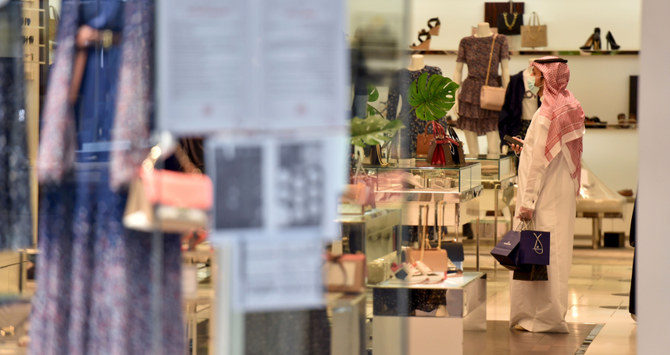
The number of shops penalized for tax violations has reached 42. (AFP)
Short Url
Updated 25 May 2020
Follow

Saudi tax authority conducts 1,335 inspections to protect VAT system

RIYADH: The General Authority for Zakat and Tax (GAZT) has implemented an extensive inspection campaign to shops in the retail sector, the Saudi Press Agency reported.

It aims to ensure the commitment of shop owners to the value-added tax (VAT) system and the implementation of its regulations, and the non-implementation of the tax’s updated value before schedule.

In cooperation with the Ministry of Commerce, GAZT has implemented 1,335 inspection visits, with the participation of all the authorities’ branches in different regions since the announcement of increasing the VAT to 15 percent from 5 percent on May 11.

The number of shops penalized for tax violations has reached 421, and violations varied from not keeping records, documents and tax invoices to failing to collect VAT.

GAZT called on owners of commercial enterprises to commit to the scheduled date to implement the new VAT of 15 percent on products and services, starting July 1, 2020. It stressed that its inspection campaigns will continue in markets and shops to ensure the commitment of people responsible for tax regulations in the Kingdom.

GAZT called on all consumers to report any enterprises that implement the new VAT before its due date on the authority’s official website gazt.gov.sa through the unified number 19993 or the VAT’s special app.

GAZT had issued an instruction manual for transitional provisions related to increasing the original VAT to 15 percent, available on the authority’s official website.


Japanese researchers hope to restore coral from Saudi-made structures

Updated 10 sec ago
Follow

Japanese researchers hope to restore coral from Saudi-made structures

  • Coral skeletons made for Saudi Pavilion at Japan expo last year
  • Results of Japanese study to be revealed at Riyadh Expo 2030

TOKYO: Japanese universities are seeking to restore coral reefs and marine ecosystems after receiving artificial structures that Saudi Arabia made and showcased at last year’s Osaka-Kansai Expo.

The coral skeletons were donated to the University of the Ryukyus in Okinawa and Kansai University in Osaka Prefecture, Kyodo News reported at the weekend.

The structures are made from calcium carbonate, a material on which corals are believed to grow more easily compared to artificial alternatives such as concrete or metal.

The skeletal structures were created using 3-D printers, with one piece produced a day during the expo, and displayed across an entire wall in the Saudi Arabia Pavilion, which had an area focusing on sustainable marine environments.

Coral reefs serve as habitats for much marine life, but over 40 percent of the world’s 892 species face possible extinction, according to the International Union for Conservation of Nature.

The University of the Ryukyus, which received about 150 of the artificial coral skeletons, will place them in waters off the eastern coast of Okinawa’s main island and then examine their impact on the ecosystem.

Kansai University has placed theirs in the sea around Kagoshima Prefecture’s Yoron Island to observe their growth after transplanting coral polyps onto the structures.

The results of the research are expected to be revealed at the Riyadh Expo in 2030.

“I had never imagined that Japan and Saudi Arabia would cooperate on coral research,” said Masato Ueda, a professor specializing in regenerative medicine at Kansai University.

Ueda said he wants to demonstrate to children that “humanity is attempting to restore the environment.”