



JEDDAH: A popular Saudi YouTuber has slammed some of this year’s Ramadan TV shows for being “uncreative” and “cringing” to watch.
Actor Abdul Majeed Al-Kinani told fans he had been turned off by the “sorry state” of a number of TV offerings produced for the holy month of fasting.
In one of the latest episodes of his hit online show, “Luqaimat,” he singled out two Saudi productions for particular criticism.
Describing the poor standard of acting in the Saudi Broadcasting Authority’s “1 Billion” show, Al-Kinani said: “The worst moment that a human can undergo, is when you watch a scene unfold and cringe, when you’ve got nothing to do with it.”
Playing clips showing actors delivering their lines directly to camera, he added: “I feel offended that our official TV channel is being treated this way.”
Calling for a better understanding and respect for Saudi audiences, he said: “I have high hopes in the people at the authority and ministry to take action and follow up on how this work made it onto the screen in its sorry state.”
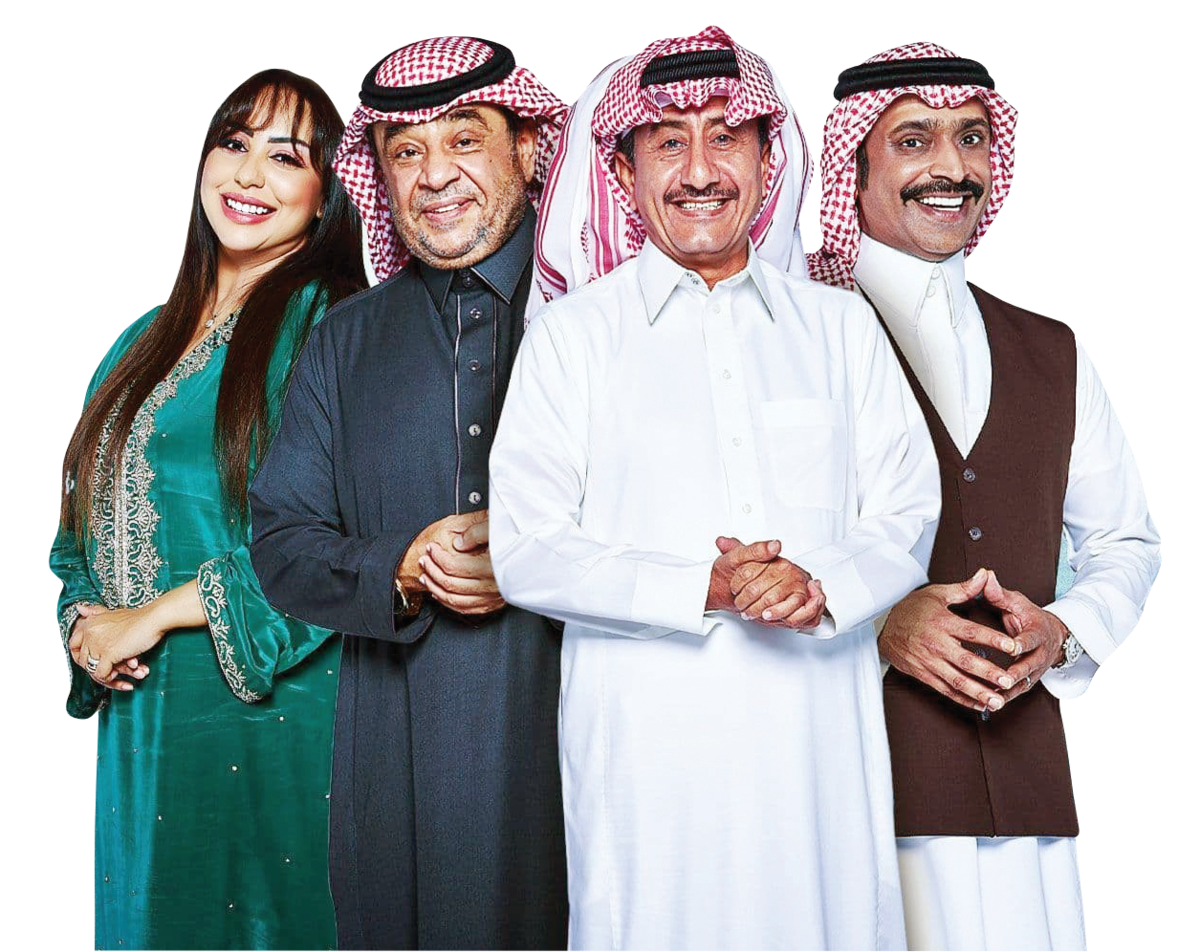
He also lambasted Ramadan series “Exit 7,” starring “Tash Ma Tash” actor Nasser Al-Qasabi, for being “uncreative and repetitive” in its plot.
Al-Kinani had pledged that 2019 would be the final season of “Luqaimat,” but due to popular demand he agreed to a return. The light entertainment show was launched in 2012 on the YouTube channel SceenTV covering topical issues in the Kingdom and throughout the Gulf region.
HIGHLIGHTS
- ‘1 Billion’ show and ‘Exit 7’ have been described as ‘repetitive and uncreative.’
- ‘Ureem,’ a comedy series about a young man who works for a ride-hailing company, received good response.
- Call for more professional resources and tools such as talent agencies.
Reacting to Al-Kinani’s comments, Nora Al-Rifai, a 28-year-old TV show and movie fanatic, said: “People’s reaction and the trending hashtag (on Twitter) prove how aware the audience has become to the point where you can’t just present them (TV shows) with any content and call it comedy or drama.
“Because of streaming services and movies reopening, people have a lot to compare it to, and if it doesn’t live up to their expectations, then it has to go,” she added.
Dahlia Baeshen, a Saudi scriptwriter, said there was little to compare between international and local production standards. “We are a much younger industry. Some aspects of filming techniques are less visually appealing. The reopening of cinemas in the Kingdom will further change the taste of upcoming audiences.
“On the other hand, I do believe there is a shift regarding the subject matter of TV shows. Some topics in ‘Exit 7’ were bold and daring and would never have been discussed just a few years back. This leap is quite impressive.”

She noted that the Kingdom had numerous emerging talents with youth aspiring to be filmmakers, writers, and actors.
“Talent is crucial, of course, but I think more importantly, creatives need to find a platform to connect. We have a rich history and culture and a plethora of stories to tell. However, I think in order for TV to change, we need to have a better construction and structure within the industry, matching various talents with one another,” Baeshen added.
Professional resources and tools, such as talent agencies representing artists and writer and director guilds, were necessary, she said.
After witnessing the growth in YouTube TV series, she added: “I think we have come a long way, but there is a lot of room to do more. A lot of the content, especially on YouTube, is very male-oriented. I would love to see more content written by females to reveal the other side of the spectrum.”
Afnan Linjawi, a Saudi screenwriter and poet, said: “With access to Hollywood productions, Bollywood films, streaming services like Netflix, and Spanish, British and other productions, if we do the math, the Saudi viewer is 50 years ahead of Saudi productions.
“The Saudi viewer may know what good TV is, but sadly most don’t know what it takes to make good TV.”
She told Arab News that quality television required a stable and robust production industry with unwavering infrastructure and qualified personnel. “A good decade of failures, trials and errors, and successes is mandatory.”
Saudi producer, Jawaher Al-Mary, said TV in the Kingdom deserved a second chance. “With regard to recent works, I think the ideas in them are repetitive, and some go as far as being shameful. That is not due to a specific genre, be it drama or comedy, but the overall content.”
She felt that “Ureem,” a comedy series about a young man who works for a ride-hailing company, was the only Ramadan show worth noting.
Other social media users echoed Al-Kinani’s frustration about this year’s Ramadan TV content.
Ali Al-Saif said: “Those from his generation have witnessed great media exposure and followed countless massive international works that undoubtedly affected their tastes and the public’s as a result. The viewer can now differentiate between great and less-than-mediocre ones.”


