- Local transmission of COVID-19 spikes to 84 percent
- One positive case leads to tracing of at least 10 suspects, official says
ISLAMABAD: Pakistan’s government is using contact tracing as a major public health tool to track suspected COVID-19 patients and has so far tracked 177,579 individuals who will be tested for the virus after coming into close contact with infected people.
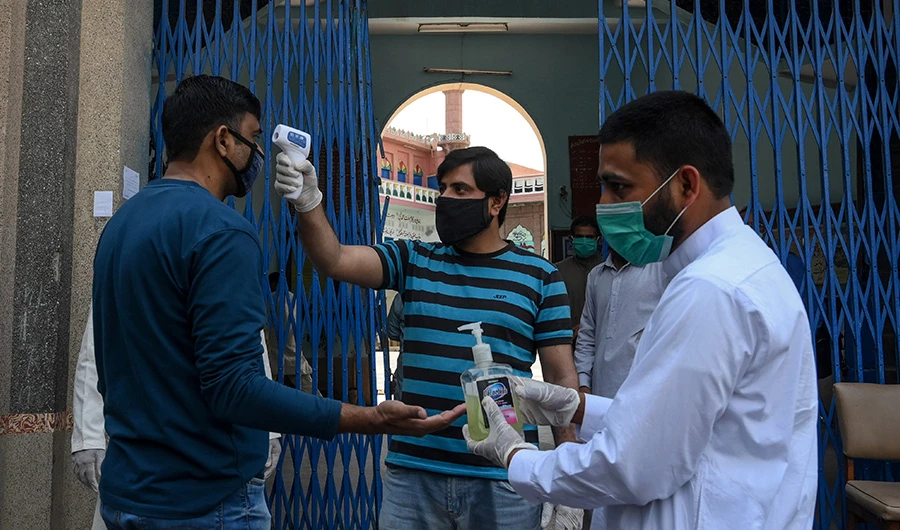
Rapid response and surveillance teams are working at the district level to track suspects and collect their samples for testing in close coordination with their respective provincial governments and the National Institute of Health in Islamabad.
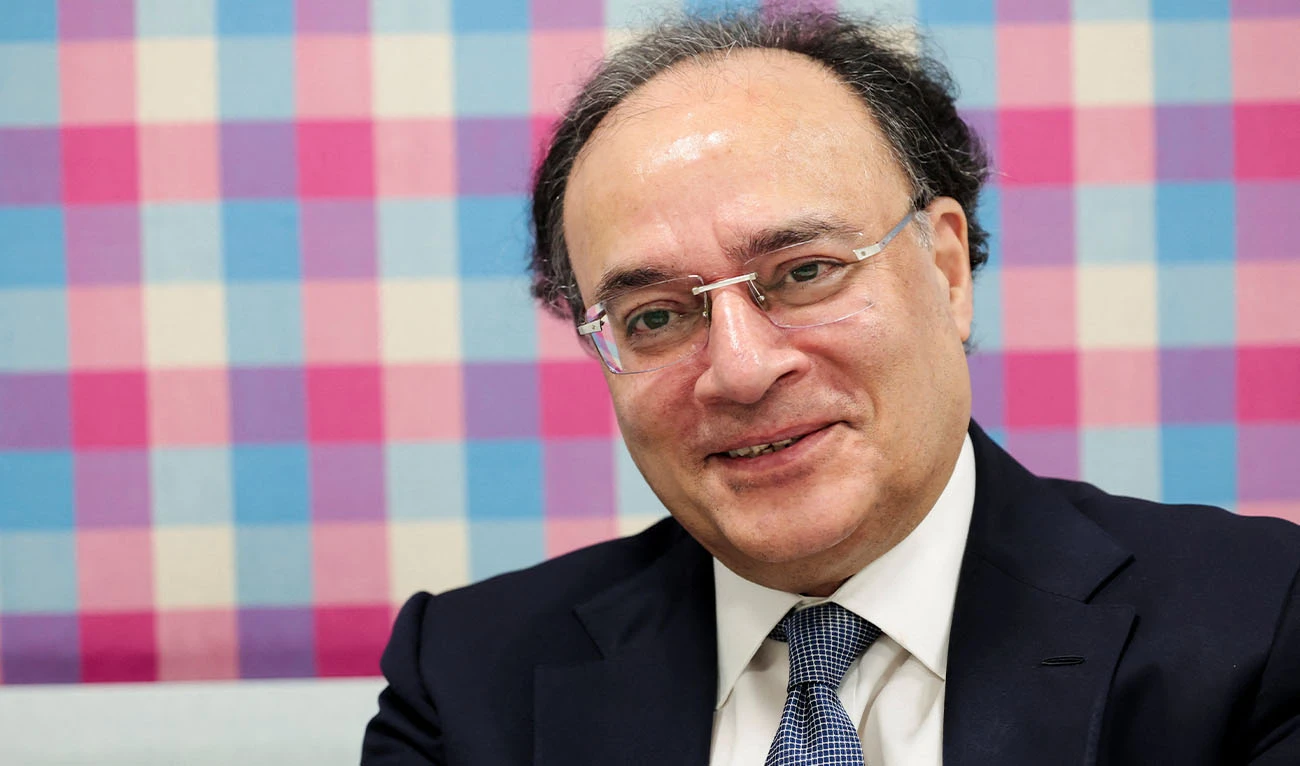
“We are trying our best not to miss even a single person [suspected of having coronavirus],” Dr. Safi Malik, director-general health at Ministry of National Health Services, told Arab News in an interview on Sunday.
The country is running against time to stem the spread of the virus as local transmission of the pathogen spikes to 84 percent. The main challenge for the rapid response teams is to track the suspects as quickly as possible as between a third and half of all transmissions between people can happen before a person is even aware that he or she is infected, according to a study carried out by a University of Oxford research team.
Trained staffers interview COVID-19 positive patients to fill a detailed questionnaire about where they have been and who they have met in the last fourteen days. They then track these potential contacts in cities and villages to ascertain their medical condition, take their clinical specimens and advise self-quarantine at home for 14 days based on their symptoms.
“All relevant security agencies and district administrations are extending excellent cooperation to identify maximum suspects [for the tests],” the director-general said, adding that sufficient funds were available to carry out the operations.
He said that Pakistan had set up 57 coronavirus testing labs across the country their number would be increased to 73 labs in the coming weeks.
“We are enhancing our capacity to take maximum tests in a single day,” he said, adding that the National Institute of Health and provincial health departments were also training staff regularly for the effective tracing of the suspects.
Countries around the world including Germany, South Korea and New Zealand have used the contact tracing strategy to stem the spread of the virus. The strategy has been effectively used against Ebola virus in Africa and against Middle East Respiratory Syndrome (MERS), a viral respiratory illness.
“It is a continuous effort and we are hopeful we can flatten the virus curve very soon,” the director-general said.
Pakistan has carried out 203,025 tests to date out of which 19,103 have tested positive with 440 fatalities. A total of 4,084 patients are admitted in different hospitals and 503 healthcare workers including doctors and nurses are infected with the virus, according to the Ministry of National Health Services.
Dr. Zaeem Zia, district health officer in Islamabad said that on average one coronavirus positive case leads to the tracing of at least ten suspects, and risks about ten households.
He said that Islamabad has 15 teams comprising of 45 trained members working round the clock to track and trace suspects and carry out risk communication in relevant localities.
The federal capital has registered 410 positive cases to date while 1,731 individuals who came into contact with them have also been investigated, Zia said, adding that the teams carried out risk communication in 4,128 households.
“People should understand that coronavirus is a contagious disease, and social distancing is the only solution so far to prevent it,” Zia said, while advising people to restrict their outdoor movements for at least another two weeks.