


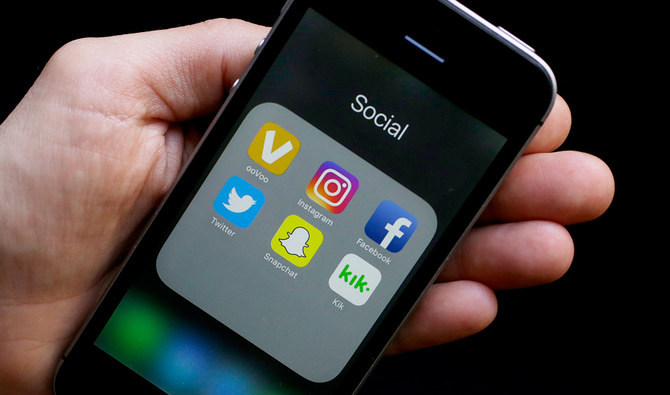

JEDDAH: Saudis and expats who spread rumors on social media could be jailed for up to five years and fined SR3 million ($800,000) under measures to counter false information regarding the coronavirus pandemic.
The move follows warnings by Saudi Arabia’s Ministry of Health, Ministry of Interior, General Presidency of the Two Holy Mosques and other government entities that people should rely on trusted news sources and not third parties for information on the Kingdom’s handling of the COVID-19 outbreak.
The Saudi Public Prosecutor warned that legal action will be taken against individuals who spread misinformation and rumors.
On Saturday, media spokesman for the Riyadh region police, Col. Shakir Al-Tuwaijri, highlighted a video circulating on social media in which a person spreads rumors about steps taken to curb the spread of the coronavirus.
Opinion
This section contains relevant reference points, placed in (Opinion field)
Other false claims include a planned change in curfew hours, warnings of food shortages, and a suggestion that health authorities are deliberately concealing the number of cases in the Kingdom.
In a recent case, a Riyadh resident claimed to know when worshippers will be allowed to return to the Grand Mosque.
All suspects have been arrested and face legal action, police said.
Dimah Al-Sharif, a Saudi legal counsel and member of the International Association of Lawyers, urged people to be responsible regarding content they access on social media.
“Receivers should not save such content or share it with others, and should delete it if possible since they, too, will be liable,” she said.
HIGHLIGHT
Individuals who breach regulations can be jailed for up to five years and face fines of SR3 million, as well as confiscation of the device(s) used in the crime.
“Under Saudi laws to counter cyber-crime, we are not allowed to produce, prepare, send or save any unauthorized content or rumors.”
Individuals who breach regulations can be jailed for up to five years and face fines of SR3 million, as well as confiscation of the device(s) used in the crime, she said.
In addition, the judicial ruling will be published in newspapers at the offender’s expense.
The Kingdom’s Public Prosecution Office took to social media to warn users about the consequences of spreading rumors and misinformation.
@bip_ksa tweeted: “Receiving information from its official sources is a moral obligation and commitment, and legal responsibility. Do not fall victim to malicious rumors and news from anonymous sources that violate the procedures and effort, and cause terror regarding the Coronavirus, in order to avoid strict criminal accountability in this regard.”


