Lebanon gives financial aid to students affected by France’s coronavirus lockdown

There are around 5,000 Lebanese students in France overall, according to an April 2019 estimate. (AFP)
Short Url
Updated 06 April 2020
Follow

Lebanon gives financial aid to students affected by France’s coronavirus lockdown

  • Lebanese students urged to contact embassy staff for more details

DUBAI: The Lebanese Embassy in Paris on Sunday said it was providing monetary support to students stuck in France after the country imposed a lockdown on March 17 curb the spread of coronavirus.

“Initiated by the Lebanese Embassy in France and placed under the aegis of the Franco-Lebanese Chamber of Commerce, a financial aid platform was created to support Lebanese students in precarious situations,” the diplomatic post said in a statement. “This financial aid is to be granted on the basis of social standards to students who are facing financial difficulties in pursuing their higher education in France.”

Students who want to avail of the aid facility were asked to send an email to [email protected], and submit CVs, state the courses they are taking, their social situation – including their parents’ income, expenses and access to grants and subsidies – plus officials supporting documents to prove their student status in France.

“We have shared with many of you the financial difficulties you are confronting at this stage, and we are continuing our efforts to serve you,” the embassy pledged in its statement to the Lebanese students in France.

Estimates in April 2019 indicate that up to 1,700 new students travel to the country each year, most of them enrolled in master’s and doctorate programs.


Iran says students have right to protest but must know ‘red lines’

Updated 57 min 51 sec ago
Follow

Iran says students have right to protest but must know ‘red lines’

  • University students in Iran started a new semester Saturday with pro- and anti-government rallies, according to local media

Tehran: University students have the right to protest but everyone must “understand the red lines,” the Iranian government’s spokeswoman said Tuesday, in the first official reaction to renewed rallies on campuses since the weekend.
“Sacred things and the flag are two examples of these red lines that we must protect and not cross or deviate from, even at the height of anger,” Fatemeh MoHajjerani said.
She said Iran’s students “have wounds in their hearts and have seen scenes that may upset and anger them; this anger is understandable.”
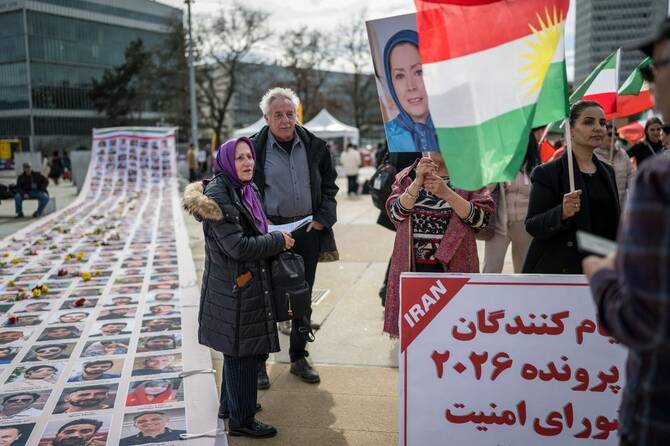
University students in Iran started a new semester Saturday with pro- and anti-government rallies, according to local media, reviving slogans from nationwide demonstrations that peaked in January and led to thousands of deaths.
Protests first began in December sparked by economic woes in the sanctions-hit country, but grew into nationwide demonstrations on January 8 and 9.
The US-based Human Rights Activists News Agency (HRANA) has recorded more than 7,000 deaths, while warning the full toll is likely far higher.
Iranian officials acknowledge more than 3,000 deaths, but say the violence was caused by “terrorist acts” fueled by the United States and Israel.
MoHajjerani on Tuesday said a fact-finding mission is investigating “the causes and factors” of the protests and will provide reports.