



DUBAI/TOKYO: As supermarkets in the West struggle to keep rolls of toilet paper on their shelves, Japanese people do not have to worry about disappearing toilet rolls, as they have something superior: the Washlet.
Just as bidets are popular in the Arab world, shower-toilets such as the Washlet from Japan are in a league of their own.
With such functions as seat warmers, deodorizer to even air dryers, the popular Japanese company Toto creates luxury toilets that have become a staple of Asian homes, restaurants and public buildings.
Toto introduced the first electric toilet with an integrated bidet, the Washlet, in Japan in 1980.
The Japanese company, which was founded in 1917, prides itself on its commitment to improving the environment by creating sustainable toilets that include water-saving features such as eco-friendly flushes.
There is also a unique option in some of Toto’s bidets: Flushing sounds or even music that can cover up embarrassing noises when people do their business.
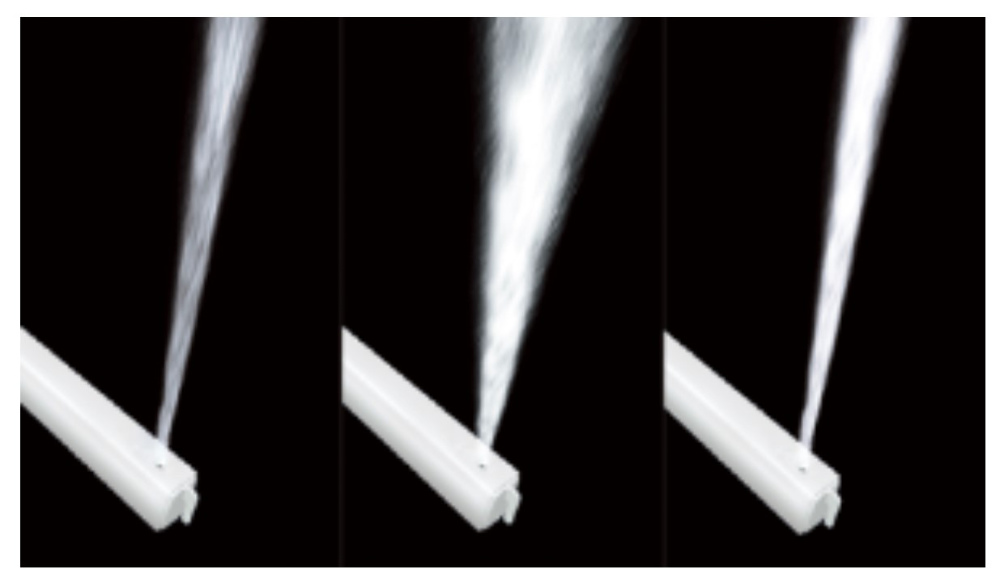
Washlets have many options in its latest products, including controls for water temperature and jet stream power and direction.
Customers have a choice of speedy and soft jet streams.
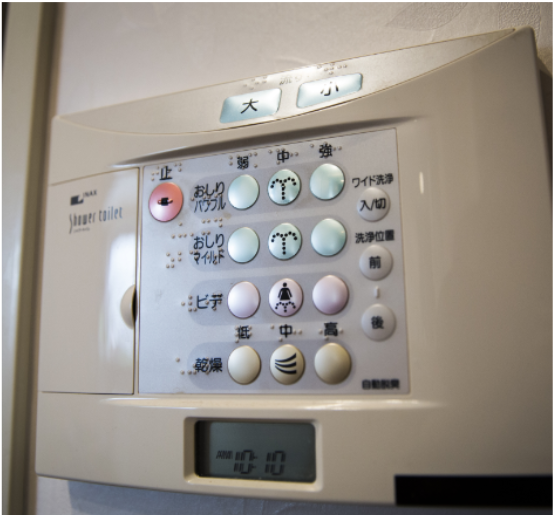
Most Washlets have two jets, one for men and one for women. A control panel at the bottom makes the seat easily maneuverable. But advanced Washlets have a control panel at the wall so a user can relax while doing their business.
Toto’s most expensive toilet is the Neorest 750H, which costs over $13,000, according to the official website.
The popular toilet includes an automatic lid that opens or closes when one approaches, an adjustable spray position, a multifunctional wall-mounted remote control and an air-purifying system along with a Bluetooth connectivity to play one’s favorite tracks.
The Washlet even has its own museum. The Toto museum, located in Tokyo, showcases the history and evolution of the bidet in order to pass on the “corporate values to future generations.”
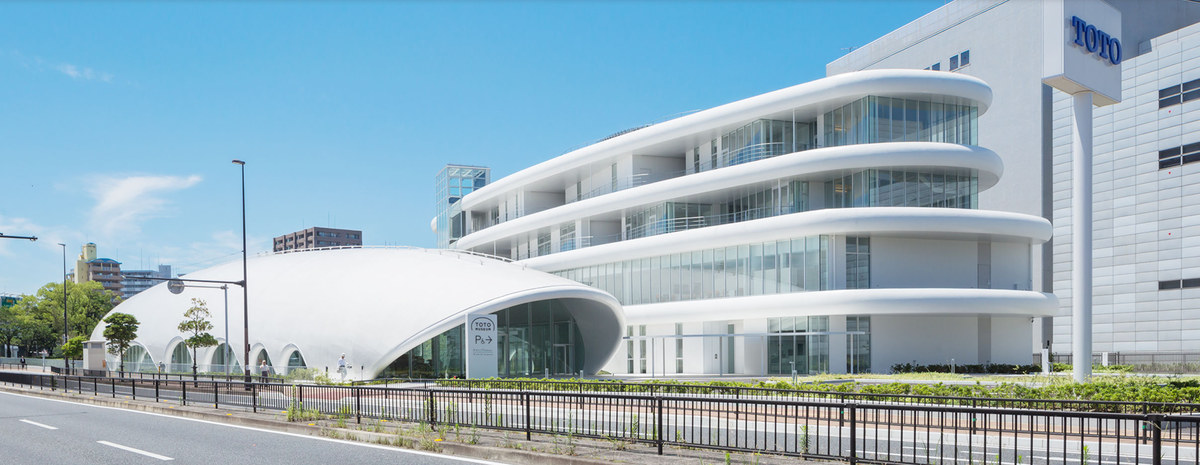
The Toto museum in Tokyo, Japan. (Courtesy: https://jp.toto.com)
According to the official Toto Museum website, which showcases the culture and history of plumbing equipment, the company “hopes the museum provides visitors an opportunity to learn about the philosophy behind TOTO Manufacturing and how products have developed.”
Toto has several showrooms around the Middle East, including multiple in Saudi Arabia, UAE and Kuwait.
The company also has a showroom in San Francisco. However, while the Western world is aware of these smart hygienic products, their own habits have yet to grow accustomed.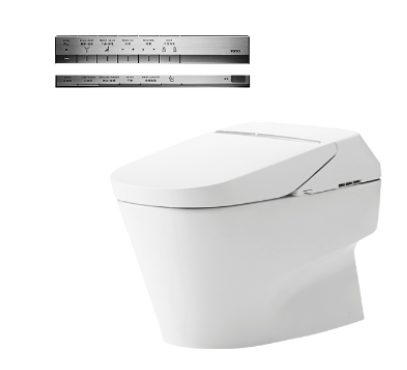
Other big names in the toilet market include Inax and Toshiba. Prices range from about $175 at discount stores to about $325, although an expensive model can cost more than $400.
Japanese-style bidets are enjoying a spurt in popularity owing to toilet-paper shortages in Western countries resulting from panic shopping amid the coronavirus public-health emergency.
At the same time, production has reportedly hit a snag. Nikkei xTECH has reported delays of parts from China, where the first major coronavirus outbreak occurred, amid disruptions in the chain of business.
Suppliers have also not been able to keep up with increased demand from manufacturers trying to stock up on parts they fear may be difficult to obtain moving forward.


