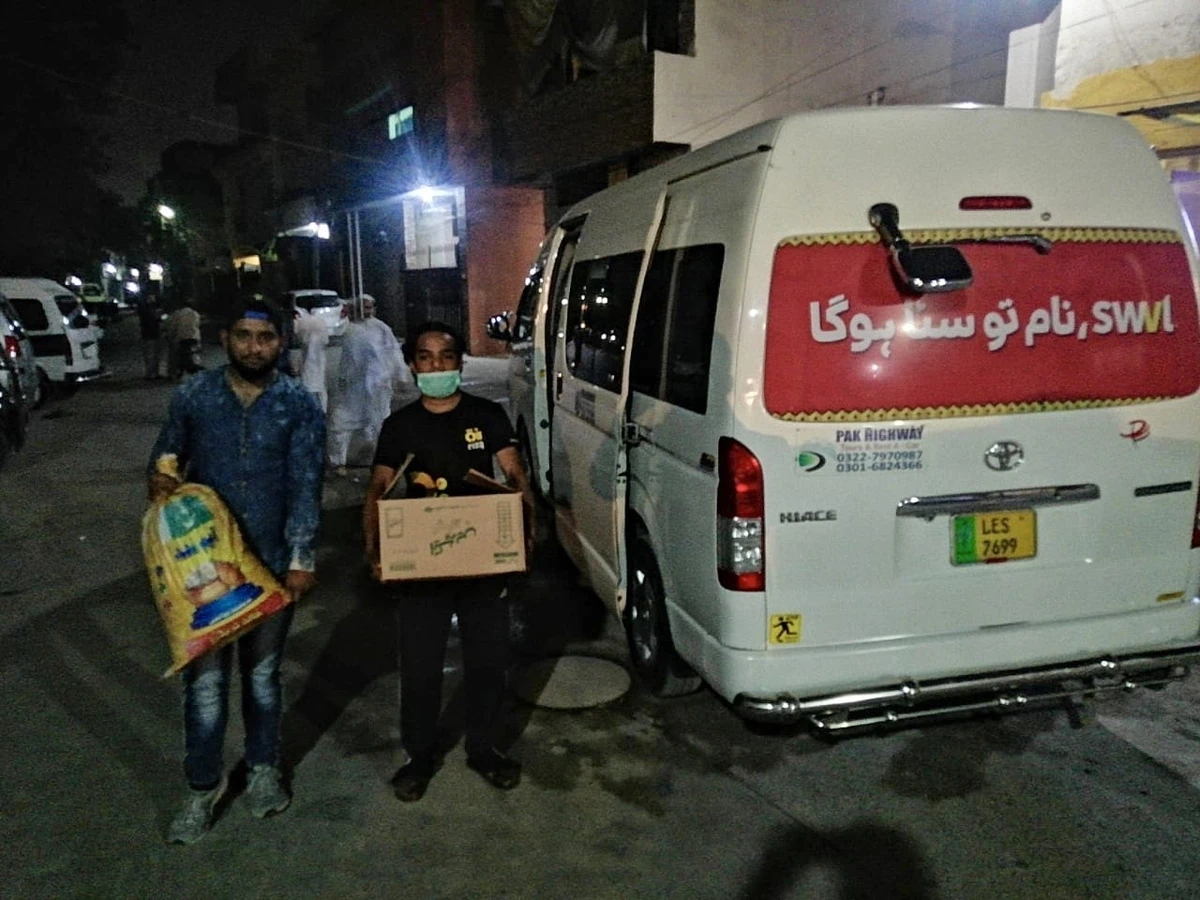
- 7 million daily wage workers affected by ongoing virus lockdowns, says workers’ federation
- With Pakistani partners, Swvl will distribute at least 2 million ration packs
ISLAMABAD: An Egyptian transportation company has partnered with Pakistani NGOs in a relief effort for workers on daily wage, who have been affected by the shutdown of businesses across the country, as administrations are trying to contain the coronavirus outbreak.
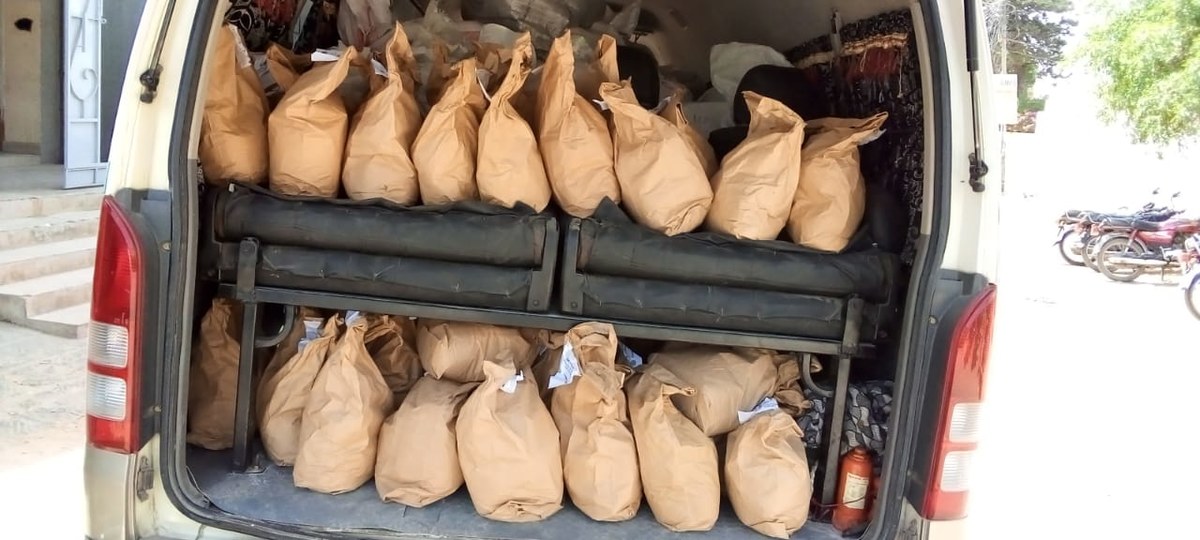
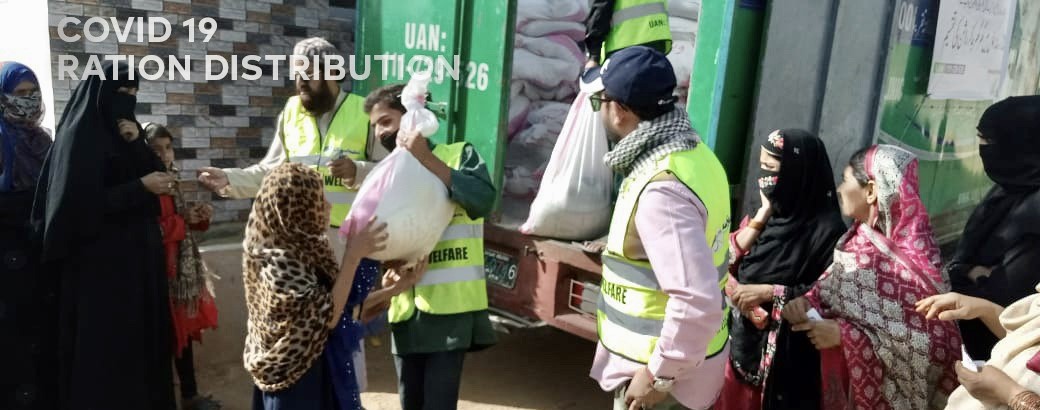
In partnership with Saylani Welfare Trust, Robinhood Army and Rizq, the Egyptian startup, Swvl, will distribute more than 2 million ration packs to those left without work and means to earn, Shahzeb Memon, Swvl Pakistan general manager told Arab News on Tuesday.
“Approximately 25 percent of Pakistan’s population lives under the poverty line, the disruption to daily economic activities will have a devastating impact on them. Swvl aims to help the impoverished and downtrodden of our society by providing daily ration to millions whose earnings will be hit substantially in these turbulent times due to lockdowns,” he said by phone from Karachi.
Over 7 million daily wage workers will be affected by the shutdown of commercial activity across the country, according to Zahoor Awan, secretary general of Pakistan Workers’ Federation (PWF).
“More than 7 million daily wage workers cannot go out for work as result of these lockdowns and restrictions in movement due to this pandemic. They need assistance from wealthy people and organizations to feed their families,” Awan said.
“This is a good initiative by Swvl and other partners, as it will lessen the hardship faced by poor families. Other organizations should also come forward with such programs because we don’t know when this pandemic will end,” he said.
The NGOs chosen by Swvl have extensive networks, which will help the company reach those in need, Memon said.
“Our own bus drivers also suffer due to the lockdown, so we are also providing them ration packs and monetary assistance from Rs5,000 to Rs10,000,” he added.
Swvl operates buses on fixed routes, for which customers reserve their seats using an application.
Saylani Welfare Trust’s head of corporate social responsibility, Furqan Aslam, confirmed that they have already started distributing food packages with Swvl in Karachi.
“We are distributing 2 million ration packs to the daily wage workers as they are unable to go to their work due to the lockdown. We can increase it to 3 million packs if lockdown remains for a longer period,” Aslam told Arab News via phone from Karachi.
“Each ration pack contains 10 kilograms wheat flour, 2 kilograms of rice, 2 kilograms of pulses, 3 liters of oil and 1 kilogram of salt. The packs will be distributed in Karachi, Thatha, Hyderabad, Rawalpindi, Quetta, Faisalabad and Peshawar,” he said.
Qasim Javaid, co-founder of Rizq, who for the initiative partners with Swvl in Lahore and Islamabad, said it will reach many people who really need help in this testing time.
“We have different community partners who donate food packs, which Swvl picks up from different areas and helps us in distribution in various areas of Lahore and Islamabad. It is time for all of us to unite to help those who need us the most,” he said, while talking to Arab News from Lahore.