The Saudi Arabian Monetary Authority (SAMA) announced last week that Halalah has successfully attained the full e-money institution license (EMI) in Saudi Arabia. The Saudi-based fintech company has been operating in the local market previously under a sandbox trial period license. Halalah managed to “graduate” from the trial period ahead of schedule after complying with all regulatory requirements that focused on the maturity of product, the structure of the company, the agility of its processes and the security of its infrastructure.
“Halalah is not your typical startup, as it has gone through a long journey in a short period of time to reach where it is today,” said Founder and CEO Esam Al-Nahdi. Starting in Saudi Arabia with clear ambitions for the regional fintech market, the company got licensed in UAE in 2017 by the FSRA’s Fintech RegLab in Abu Dhabi Global Market (ADGM), before coming back to Saudi Arabia to get SAMA’s sandbox approval in the first quarter of 2018, to kick-start its operations in November 2018.
“Throughout 2019, Halalah managed to institutionalize its operating model, and build a robust infrastructure and product engine, as well as striking a few strategic partnerships that will cater to the needs of the new generation of customers and putting the company in the right position to achieve its local, regional and global plans,” added Co-founder and Chief Strategy Officer Maher Loubieh.
With the full license now obtained, “the next milestone in Saudi Arabia is to relaunch Halalah KSA with a new set of financial services and products that will enable customers to manage their finances and do transactions through Halalah,” said Al-Nahdi.

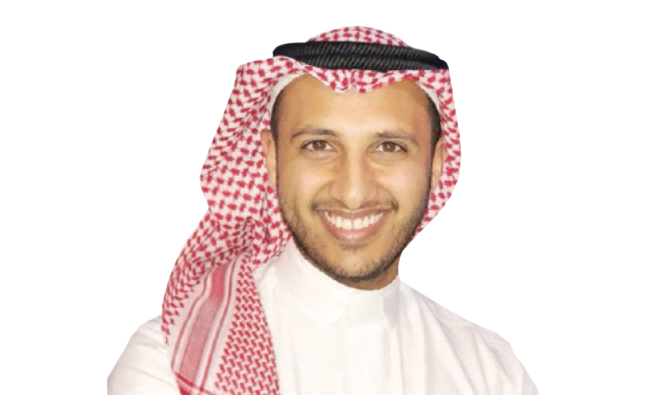
Halalah secures SAMA’s fintech license
https://arab.news/g4krc
Halalah secures SAMA’s fintech license
Preventive care: rethinking everyday health in Saudi Arabia
In Saudi Arabia, a quiet revolution is reshaping the way people think about health. It is not happening in operating rooms or emergency wards — it is unfolding in homes, schools, and communities. It is imperative we ask ourselves: what if health began long before the doctor’s visit? What if the most powerful interventions were the ones we made every day — at home, at school and in our communities?
This philosophy is at the heart of Haleon’s work in Saudi Arabia, where the consumer healthcare company is helping redefine what it means to be healthy. It is not just about curing illness; it is about preventing it. It is not just about access; it is about empowerment. And it is not just about innovation; it is about inclusion.
Prevention as a national imperative
Saudi Arabia’s Vision 2030 and its Health Sector Transformation Program have placed preventive care at the center of the national strategy. This is not just policy — it is a paradigm shift. From chronic disease management to oral hygiene education, the Kingdom is investing in initiatives that help people stay healthy, not just get treated.
This shift is especially critical in a region where lifestyle-related conditions like diabetes, heart disease, and obesity are on the rise. By promoting healthier habits and early intervention, Saudi Arabia is not only improving individual outcomes, it is reducing long-term strain on hospitals and clinics.
From awareness to action
Health literacy remains one of the most overlooked barriers to better outcomes in the pursuit toward preventive health, with low health literacy associated with 2.8 times higher health costs per person. By focusing on everyday habits, Haleon is shifting the narrative from reactive care to proactive wellness.
Darśana Nair, general manager of Haleon Saudi Arabia, said: “When people understand their health, they’re empowered to protect it.”
This belief drives Haleon’s broader investment in wellness, including its Pain Management Institute, a resource hub for both professionals and patients navigating chronic pain. With 70 percent of its Saudi business dedicated to over-the-counter products, Haleon is championing accessible, preventive care that meets people where they are.
Inclusivity as a strategy
Haleon’s commitment to health equity is evident in its outreach; the company ensures that no community is left behind. Arabic-language materials and culturally tailored programs make health information more relevant and actionable, breaking down barriers and building trust.
Global roots, local impact
Headquartered in Jeddah, Haleon has built a workforce that is nearly 50 percent Saudi nationals and invested in local manufacturing, including the production of Panadol in the Kingdom. This localization strategy strengthens supply chains, supports job creation, and aligns with Saudi Arabia’s broader goals for industrial growth and economic resilience.
“Our collaboration with the Ministry of Investment to localize Panadol manufacturing is just one example of how we support job creation, industrial growth, and supply chain resilience,” said Nair. “By promoting prevention and self-care, we also help reduce the long-term burden on hospitals and make the healthcare system more sustainable for everyone.”
A new era of everyday health
Haleon’s work in Saudi Arabia is more than corporate strategy — it is a vision for the future. “We believe that better everyday health is possible for everyone,” Nair said. “Working alongside our partners and communities, we are proud to support Saudi Arabia’s vision for the future.”
- The writer, Darsana Nair, is general manager at Haleon.


