

Abu Dhabi Crown Prince announces further directives to stimulate investment in UAE

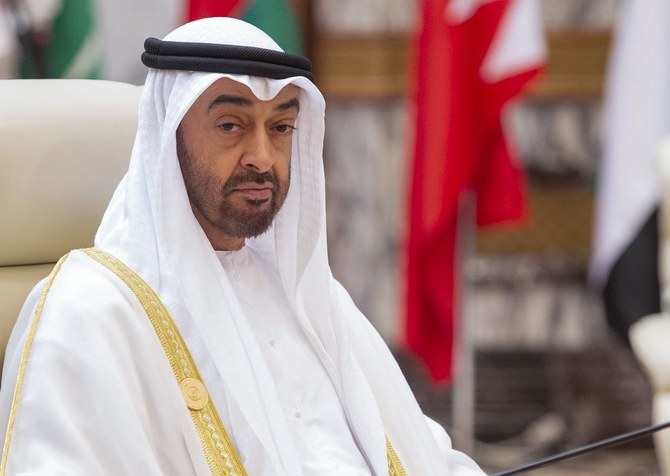
The crown prince also said he gave further instructions for plans which will stimulate strategic investment sectors. (File/AFP)
Short Url
Updated 16 March 2020
Follow

Abu Dhabi Crown Prince announces further directives to stimulate investment in UAE

  • UAE authorities will keep working on enhancing and easing investment laws and regulations to make them more flexible
  • He also ordered the creation of a new committee headed by the Department of Finance

DUBAI: Abu Dhabi’s Crown Prince Mohammed bin Zayed Al-Nahyan has issued directives to continue all the approved capital expenditure and development projects in the emirate, he tweeted on Monday.

The measures are expected to preserve the capital’s economic gains, especially startups and SMEs, he said.

The crown prince also said he gave further instructions for plans which will stimulate strategic investment sectors and ordered the creation of “a new committee headed by the Department of Finance, with members from the Department of Economic Development and local banks to review lending options to support local companies.”

UAE authorities will keep working on enhancing and easing investment laws and regulations to make them more flexible, Mohammed bin Zayed added.

Local authorities changed some financial regulations after various international and regional coronavirus-related measures were taken, some which had a negative impact on the global economy.


World faces largest-ever oil supply disruption on Middle East war, IEA says

Updated 12 sec ago
Follow

World faces largest-ever oil supply disruption on Middle East war, IEA says

LONDON: The war in the Middle East is creating the biggest oil supply disruption in history, the International Energy Agency said on Thursday, a day after the agency agreed to release a record volume of oil from strategic stockpiles.

Global supply is expected to drop by 8 million barrels per day in March due to the blocking of the Strait of Hormuz, a narrow channel along the Iranian coast, since the US and Israel began a campaign of airstrikes on Iran on Feb. 28.

Middle East Gulf countries have cut total oil production by at least 10 million bpd — a volume equal to almost 10 percent of world demand — as a result of the conflict, the IEA said in its latest monthly oil market report, adding that without a rapid restart of shipping flows these losses were set to increase.

“Shut-in upstream production will take weeks and, in some cases, months to return to pre-crisis levels depending on the degree of field complexity and the timing for workers, equipment and resources to return to the region,” the agency said.