RIYADH: Saudi education and health chiefs have announced a package of measures aimed at preventing the spread of the killer coronavirus.
The action plan to combat the virus includes issuing information to all education departments in the Kingdom on admission procedures for students returning from China and other countries with recorded cases of COVID-19 infection.
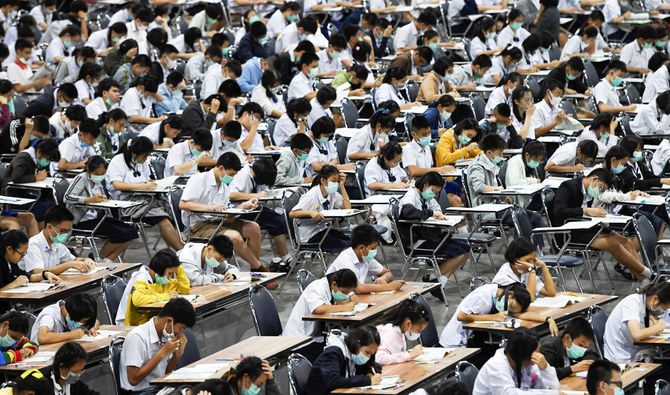
The measures will also involve coordination with every district’s health department to implement training workshops and meetings for school health workers to inform them of school responsibilities and roles, including cleanliness, ventilation, safety of drinking water, quality of food in cafeterias, and the need for teachers to closely monitor the health of students.


![]()

Education Ministry unveils measures to tackle coronavirus in Saudi Arabia
Short Url
https://arab.news/yt9kt
Education Ministry unveils measures to tackle coronavirus in Saudi Arabia
- The measures will also involve coordination with every district’s health department to implement training workshops and meetings for school health workers to inform them of school responsibilities


Latest updates


© 2026 SAUDI RESEARCH & PUBLISHING COMPANY, All Rights Reserved And subject to Terms of Use Agreement.