


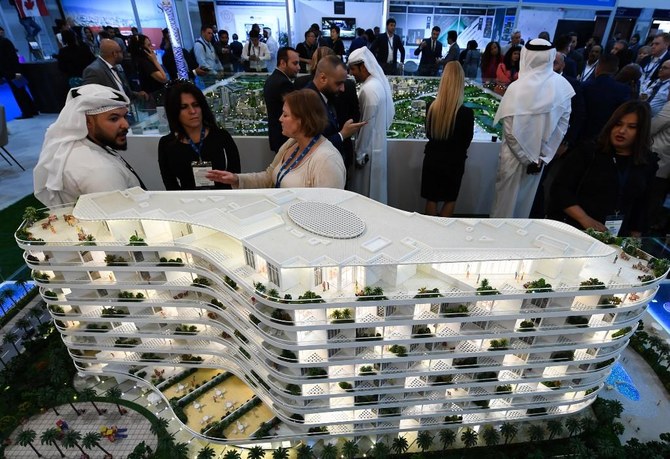

BENGALURU: The downward spiral in Dubai house prices will continue this year, albeit at a slower pace than in 2019, with oversupply remaining the biggest risk, a Reuters poll showed.
Dubai is one of the seven emirates of the UAE and has a diversified trade and tourism economy, but its real estate market has been sluggish for most of the past decade.
House prices are forecast to fall 4 percent this year and 1.3 percent in 2021 before stabilizing in 2022, according to 15 analysts and property market specialists in a Reuters poll taken between Feb. 16 and March 2.
Reports from several consulting firms showed average Dubai property values dropped by more than 10 percent last year, roughly in line with predictions in a Reuters poll last November. The government doesn’t publish an official measure of home prices.
Analysts are clearly optimistic about prospects stemming from the World Expo, which Dubai will host, starting in October through to April 2021.
Opinion
This section contains relevant reference points, placed in (Opinion field)
But downside risk remains. The biggest of these, according to 11 of the poll respondents, is a surplus of existing properties for sale.
“Oversupply is the single largest contributor to Dubai’s declining residential prices, with continued project launches, coupled with rising levels of unsold developer inventory, continuing to place downward pressure on values,” said Chris Hobden, head of strategic consultancy at Chestertons MENA.
An economic downturn was considered the biggest downside risk by three of the analysts, with only one respondent pointing to a further decline in oil prices.
Dubai’s economy grew 2.1 percent in the first half of last year, compared with 1.9 percent growth for 2018. However, risks from non-oil private sector activity and the economic fallout from the global coronavirus outbreak are likely to apply the brakes this year.
Residential property is still rated relatively affordable, the poll suggested. On a scale of 1-10, from cheap to expensive, the median rating from the analysts was 6.
A majority of the analysts said they expect a prolonged period of sub-par activity followed by recovery.
“Further softening and probably stabilization is expected in the next couple of years. In the long term, we don’t expect a huge spike,” said Haider Tuaima, head of real estate research at ValuStrat.
“We think there is going to be a more gradual recovery process.”


