- Facebook, Twitter and Google threatened to leave Pakistan if new social media rules not revised
- New regulations aimed to control hate speech and content against national security, official says
ISLAMABAD: Pakistan’s government will review its sweeping rules on Internet censorship released earlier this month, officials said, after the unveiling led to an uproar from global Internet companies and criticism from local civil libertarians that the regulations violated freedom of speech.
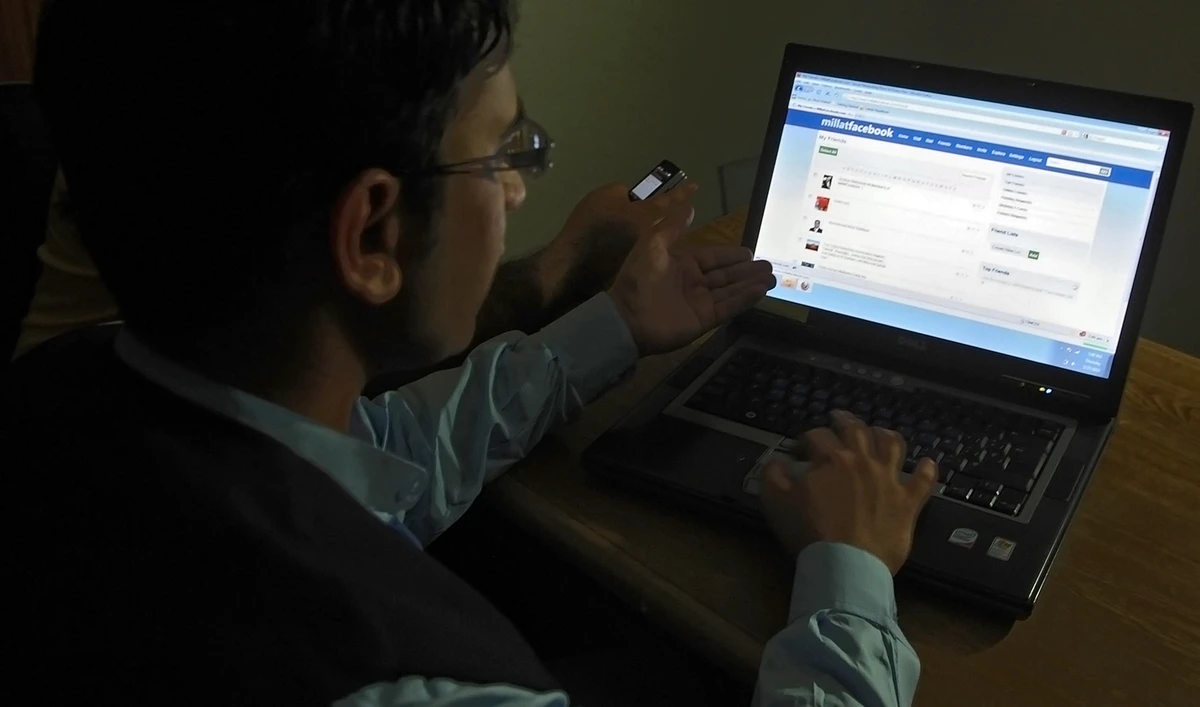
Earlier this week, through a group called the Asia Internet Coalition (AIC), global tech giants Facebook, Twitter and Google warned Prime Minister Imran Khan in a scathing letter that they would leave the country and its 70 million Internet users in a digital lurch if the new rules remained as written and were not revised.
In response to the public outcry, the government constituted a four-member committee and officials pledged this week they would review the new rules in consultation with segments of civil society, tech companies and journalists, and would find new consensus on regulating Pakistan’s digital media content.
“The new rules will ensure complete transparency and freedom of expression, and we are having our first meeting on Monday over the issue,” Dr. Arslan Khalid, the Prime Minister’s focal person on digital media, and a member of the new committee, told Arab News on Saturday.
“We cannot leave social media unregulated to spread hate speech and harm our national security,” Khalid said, but added: “The government doesn’t intend to stifle freedom of expression either.”
In 2018, Prime Minister Imran Khan assumed office in Pakistan in huge part on the back of his party’s social media presence and popularity online, but his government has shown little tolerance for criticism of the state and its institutions since coming to power.
Pakistani government’s requests for removal of content from global social media sites Facebook, Google and Twitter have vastly increased in the last two years, according to the companies’ transparency reports that are available online. Last year, hundreds of thousands of websites were additionally blocked by the government to censor blasphemy, criticism of the state, pornography and other material.
But in the absence of any law of data protection in Pakistan or local rules regulating social networking platforms, the government has had a hard time getting compliance from global companies.
Under the government’s new regulations, known as the “Citizens Protection (Against Online Harm) Rules 2020,” social media companies would have to remove or block any ‘unlawful content’ from their websites within 24 hours after being reported by a government officer known as the national coordinator.
Additionally, the companies are required to set up permanent offices in Islamabad, and set up servers to store data in the country. In case a social media company fails to abide by the provision of these rules, it can be blocked entirely, face a penalty of over $3 million or both.
Firdous Ashiq Awan, Pakistan’s de facto information minister said this month the rules were introduced to protect the country’s social, cultural and religious values, and officials have denied the regulations are aimed at curbing freedom of expression.
But information technology experts say the new rules have the potential to cripple the country’s digital economy as Pakistani users and businesses face the risk of isolation from the growth potential of the Internet economy.
“The government should immediately de-notify these rules,” Badar Khushnood, an IT expert who has worked for Facebook and Twitter, told Arab News.
“The existing rules are a stumbling block to our freelancers and online businesses that are helping the country fight unemployment and bring in foreign exchange.”
Journalists’ bodies have also rejected the rules, saying they are meant to curb freedom of expression guaranteed in the constitution.
“We cannot accept these draconian rules,” Afzal Butt, former Pakistan Federal Union of Journalists, told Arab News. “The government wants to stifle the freedom of speech and press under their garb.”