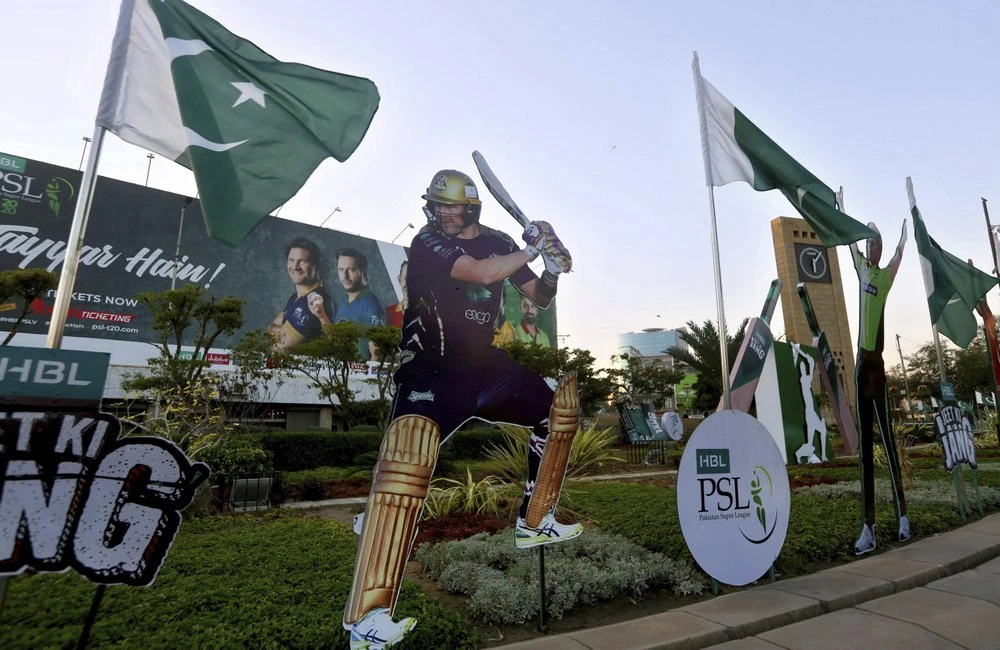
- The value of PSL franchises has doubled since the series was launched in 2015, team owners say
- Pakistan Cricket Board says hosting matches in Pakistan will contribute to the economy
KARACHI: Five years after its launch, the Pakistan Super League (PSL) is being seen as a coming of age for the business of sports in Pakistan and for Pakistani business owners who are staking increasing amounts of money and prestige on sports teams, according to team owners, cricket board officials and sports analysts.
In its fifth year, the Twenty20 PSL competition has become a huge hit in Pakistan, with 80 million viewers, roughly 70 percent of Pakistan’s TV-viewing public, tuning in to watch the final in March last year. The series has also brought 36 foreign players to the country this year, drawn corporate sponsorships from multinational firms and seen the value of the franchises more than double in five years.
When the tournament was announced in September 2015, the cricket board sold five franchises for $93 million. A sixth franchise, the Multan Sultans, was added in 2017 and its rights for seven years were sold for over $40 million, earning the cricket board almost half of what it had earned from the five teams combined four years ago.
The South Asian nation has been largely starved of international cricket since a 2009 attack on Sri Lankan cricketers in Lahore killed eight Pakistanis and wounded six players and a British coach. The incident forced Pakistan to play home matches in the United Arab Emirates and led foreign players to refuse to play on Pakistani soil.
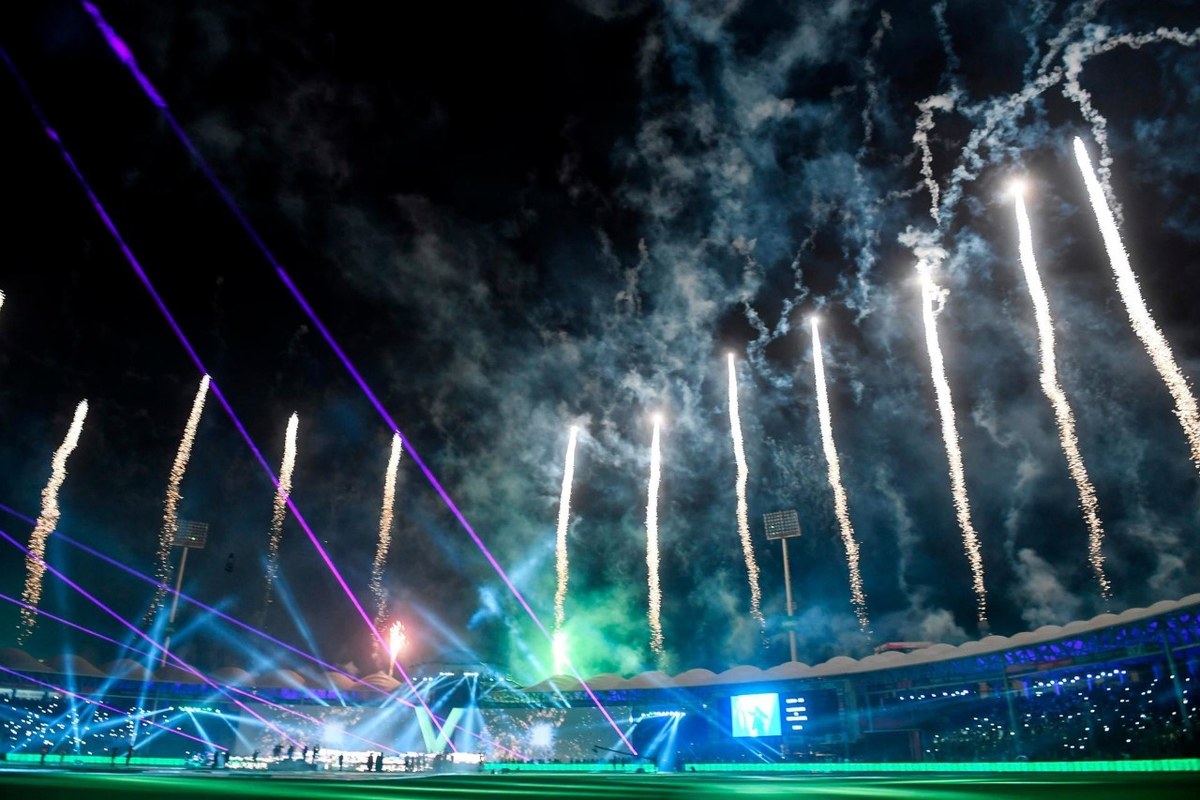
This year, all PSL matches will be played in Pakistan for the first time.
“The PCB [Pakistan Cricket Board] is confident that all 34 matches taking place across four Pakistan venues for the first time will contribute to the economic health of the country,” PCB spokesman Sami-ul-Hasan told Arab News this week.
“This year will make a lot bigger difference [in PSL’s revenue generation] also because of gate money,” said Salman Iqbal, the CEO of Ary Media group which owns Karachi Kings, the franchise that represents Pakistan’s financial hub of Karachi. “This has doubled the value of all franchises.”
“I had bought my team for $26 million [in 2015] which was the most expensive at that time until Multan Sultan came in. Now the value of my team has doubled to $52 million,” Iqbal added. “Similarly the value of every other team has doubled.”
The title sponsorship from Habib Bank Limited, Pakistan’s biggest bank, has earned the PCB $14.35 million dollars for 2019-21, while the league has drawn corporate sponsorships from multiple multinational firms selling everything from hand sanitisers to carbonated drinks.
In an interview last year, former PCB chairman, Najam Sethi, who launched the series, said PSL was designed as a three-year-financial model and earned nearly $12 million in the first three years. An analysis of PSL’s financial status by an international firm had concluded that the PCB could earn three times more in 2019, he said. A 10-year forecast sees the board making profits of up to $60 million, Sethi had said.
Sports analyst Qamar Ahmed said because the value of the franchises had doubled since 2018, the PSL brand could be worth well over $500 million this year. The PCB spokesman declined to confirm this figure and said the accurate value of the brand would be determined once this year’s edition ended on March 22.
“We [PCB] earned Rs 6 billion during 2018 and 2019 from PSL, and events in New Zealand and Australia,” he said.
In 2018, the PCB announced that PSL had secured a TV and digital streaming rights deal worth approximately US $36 million, which will run from 2019 to 2022. A consortium of Blitz Advertising and Techfront beat five other bidders, including the state channel Pakistan Television (PTV) and Ten Sports, which hold rights to Pakistan’s international cricket.
In an interview last year, a PCB spokesman told Arab News that the deal was “358 percent higher than the previous three years.”