- 5,000 Pakistani pilgrims are currently in Iran, says provincial government
- Flights to and from Iran have not been halted, says Civil Aviation Authority
KARACHI: Pakistan has sealed its land border with Iran and stopped pilgrims from traveling to Iran via Taftan border as well as five other crossings after eight coronavirus deaths were reported from the neighboring country, officials told Arab News on Sunday.
Iranian health authorities said 43 people were being treated for the virus — which was first detected in Wuhan, China — in at least four different cities, including the capital, Tehran. Iran currently has the highest death toll in any country outside of China.
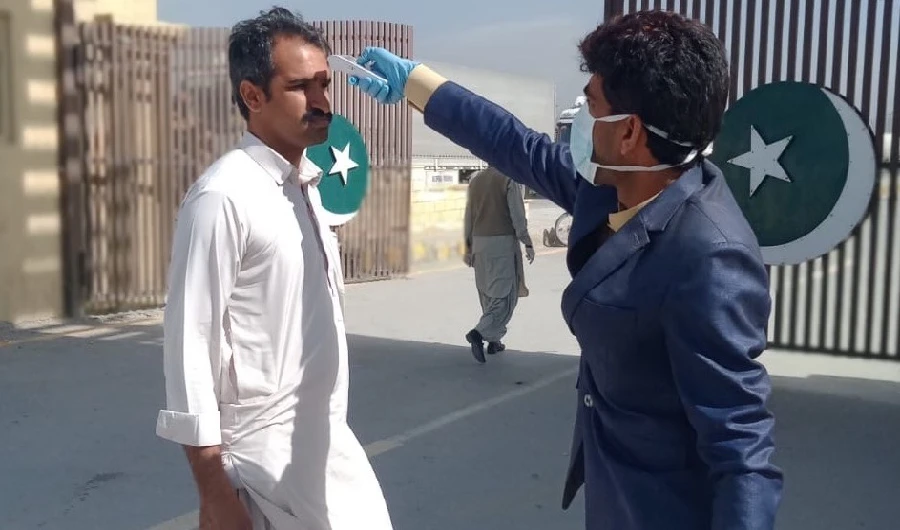
Pakistan has stopped all movement from crossing points, launched screening procedures and introduced additional patrolling along the border “until the situation is under control,” Mir Zia Ullah Langove, Home Minister of southwestern Balochistan province told Arab News on Sunday.
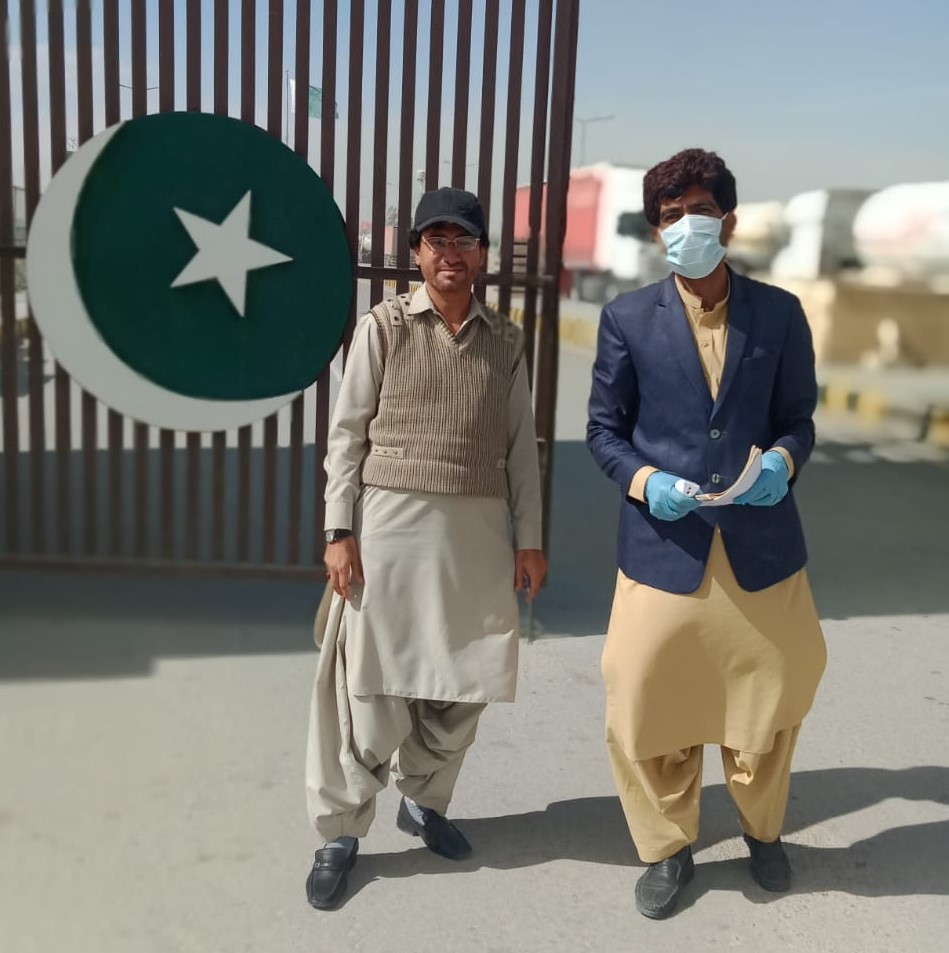
“We are trying to take every possible precaution,” the home minister said, adding that these were efforts being taken by the provincial government, with assurance from Prime Minister Imran Khan that the federal government would be extending help as well.
There are several shrines in Iran which are frequented by a large number of Shiite Muslims from Pakistan. Hundreds of people access the Taftan border crossing between the countries on a daily basis, with 5,000 Pakistani pilgrims currently present in Iran, according to the Balochistan government.
“Currently 5,000 pilgrims are present in Iran. We have requested Iran to send them only after screening and ensuring they test negative for the virus,” said Liaquat Shahwani, spokesman for the Balochistan government.
“Without screening, we will not allow the pilgrims to enter Pakistan,” he said
Afghanistan and Turkey also suspended travel to the neighboring country on Sunday as fears of the growing epidemic continued to mount across the region.
Meanwhile, in a meeting of civil and military leadership held in Taftan on Sunday, it was decided entry and exit gates including trade gates would remain closed to all movement until a dedicated quarantine facility was established, according to an official document recording meeting minutes Arab News has obtained a copy of.
The quarantine facility at Taftan, the document said, should accommodate 15 blocks of 400 people where all peple entering Pakistan should remain under observation for at least two weeks.
The move to seal the border follows Chief Minister Jam Kamal Khan’s decision on Saturday to declare a health emergency in all provincial districts bordering Iran.
However, flights to and from Iran have not been suspended.
“The staff of health ministry is already present at the airports and a passenger is allowed entry only after clearance of health declaration,” Abdul Sattar Khokhar, spokesperson Civil Aviation Authority of Pakistan (CAAP) told Arab News, dismissing reports of a temporary halt on flights to Iran.
“There is no reality in reports that flight operations to Iran have been stopped. We had neither stopped flight operations to and from China and nor will it be stopped to any other country,” the official said.
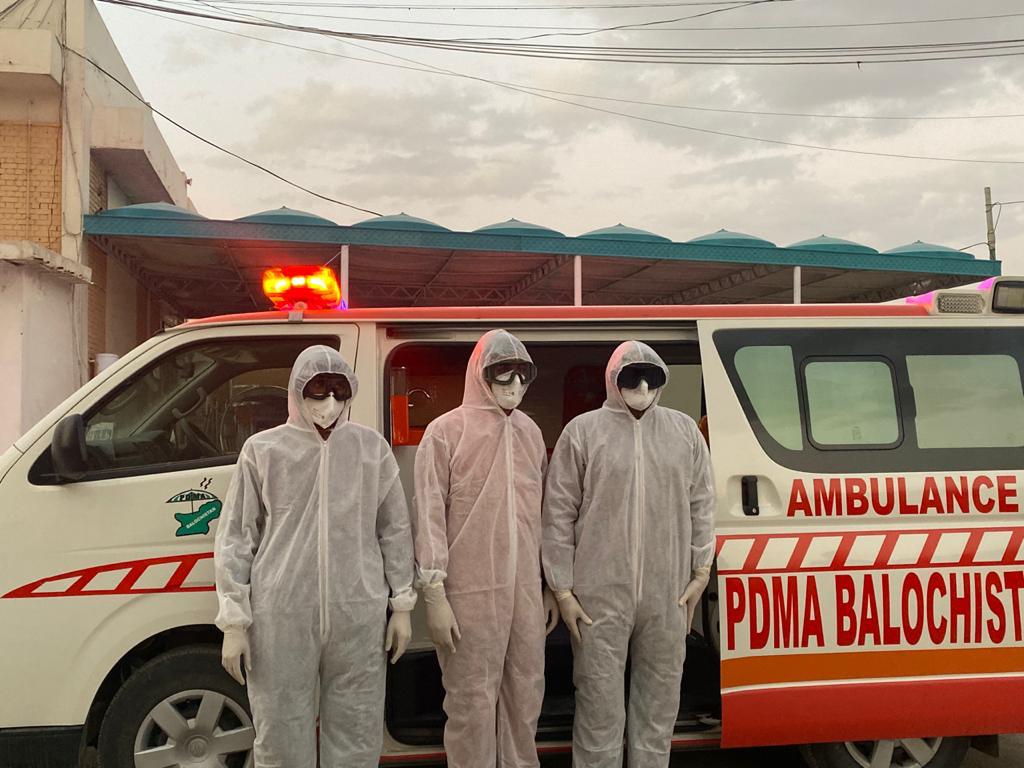
Imran Zarkon, chief of the Provincial Disaster Management Authority (PDMA) told Arab News that as part of emergency preventative efforts, 1,000 masks had been distributed in the border areas, while a temporary hospital tent with 100-beds had been set up in case of an emergency.
“Qom is the most affected area of Iran where the pilgrims go, so if there is any possibility of the virus coming to Pakistan it will be through Taftan and authorities here are on high alert,” he added.
However, this has failed to provide much consolation to the people of Balochistan, with some concerned about illegal movement along the porous border.
“Iran shares over #1000 KM long porous border with #Balochistan #Pakistan, #coronaravirus deaths are alarming news for the region. Daily 100s of people cross these borders without formal procedures, region is poverty-stricken with no medical facility,” Sanallah Baloch, a Balochistan lawmaker tweeted on Saturday.
Meanwhile, in a statement released on Sunday, Pakistan’s Minister for Religious Affairs, Noorul Haq Qadri, said he had discussed the matter with Iranian officials to safeguard Pakistani nationals visiting the country.ftan town along the border.