Shamsan Castle is located in Abha at the base of a mountain where a number of ancient tombstones have been found along with building and wall foundations.
Stones and clay were the primary construction materials of the time, and stone tools found at the site date back to the third millennium B.C. Fragments of ceramics made of red clay, from the first millennium B.C., have also been unearthed.
The castle is a large rectangular building with three towers and a main entrance on the west side overlooking the city.
A four-meter-wide door on the west wall opens to a central courtyard which is surrounded by rooms and facilities. Most of the castle walls are still intact, despite their age.
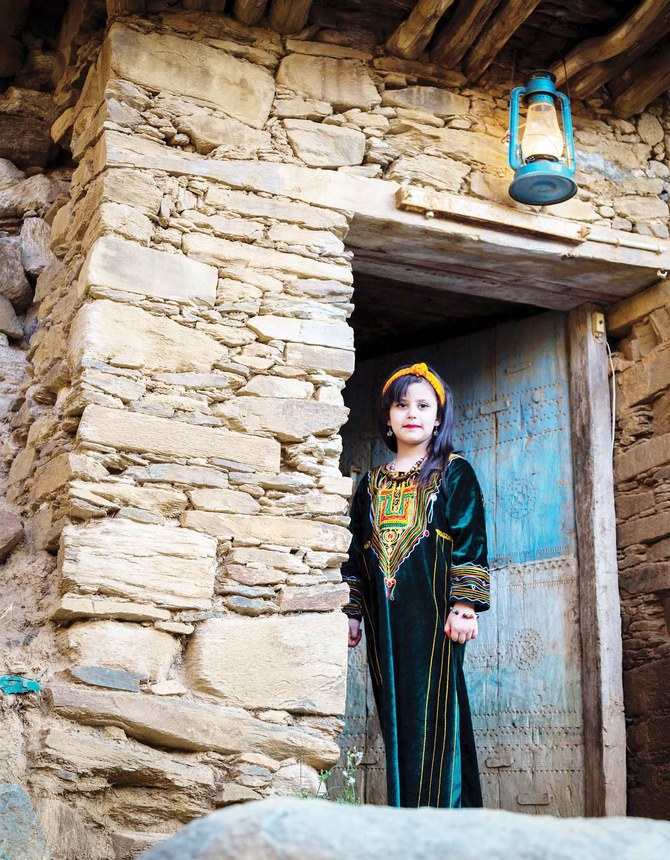
This photograph was taken by Mustafa Abdulhadi as part of the Colors of Saudi competition.


ThePlace: Shamsan Castle in Saudi Arabia’s Abha region
https://arab.news/6mnbr
ThePlace: Shamsan Castle in Saudi Arabia’s Abha region

- The castle is a large rectangular building with three towers and a main entrance on the west side overlooking the city


King Abdulaziz Foundation reveals rare images from king’s 1916 Basra visit
- Photographs form part of a wider collection documented by British photographer Gertrude Bell
RIYADH: The King Abdulaziz Foundation has revealed archival photographs documenting King Abdulaziz’s tour of the outskirts of Basra in 1916, a visit that came at an early stage of his efforts to build regional relationships.
One of the photographs, taken by British photographer Gertrude Bell, shows King Abdulaziz standing with his men in the Basra desert, the Saudi Press Agency reported.
The image reflects his early political and diplomatic engagement in the region, as he sought to strengthen ties with neighboring areas and engage with the wider Arab and international community, SPA added.
The photograph forms part of a wider collection documented by Bell, which records key developments and transformations across the Arabian Peninsula during the early 20th century.
The Basra visit holds particular significance in King Abdulaziz’s journey as a unifying leader.
Rather than crossing borders in pursuit of power, the visit reflected an approach focused on stability, cooperation and long-term regional harmony, laying the groundwork for a leadership style defined by pragmatism and openness, SPA said.


