

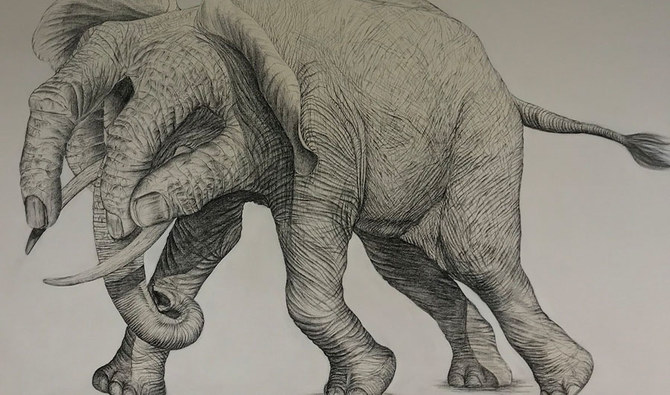
Works of top Pakistani artists displayed in Dubai

Mohsin Panjwani's work displayed at Studio Seven Gallery in Dubai. (Photo courtesy of Studio Seven Gallery Dubai)
Updated 28 November 2019
Follow

Works of top Pakistani artists displayed in Dubai

  • “Remembrance” at Studio Seven Art Gallery in Business Bay will run through Nov. 30
  • The exhibition features 20 notable Pakistani painters and sculptors

DUBAI: A group art exhibition featuring Pakistan’s most sought-after artists opened in Dubai on Saturday and will run through the end of November.
Titled “Remembrance,” the exhibition at Studio Seven Art Gallery showcases works of 20 notable Pakistani painters and sculptors, including Mehar Afroze, Naheed Raza, Sadaf RM Naeem, Noor Jehan Bilgirami, Donia Kaiser, Hamida Khatri, Hussain Chandio, Ali Saad, Waseem Siddiq, Waseem Ahmed, Naveed Sadiq, Nadir Jamali, Munawar Ali Sayed, Nazia Gul and Suleiman Aqeel Khilji.
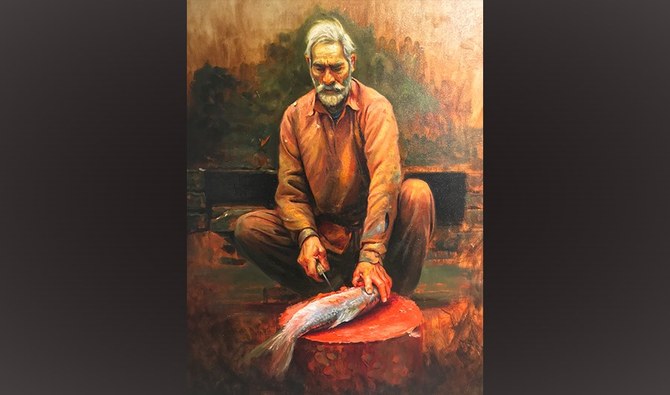


Ali Saad's work on display at Studio Seven Gallery in Dubai. (Photo courtesy of Studio Seven Gallery Dubai)

One of the artists is UAE-based Ali Hammad from Quetta who spoke with Arab News on what inspires him the most.
“I have been into art from the very beginning, from school age. I was always interested in realism. If you look at the masters, they were always interested in nature and they always said that there is so much to learn from that,” said the Lahore-educated painter who has been living in the UAE and teaching art for the past 10 years.
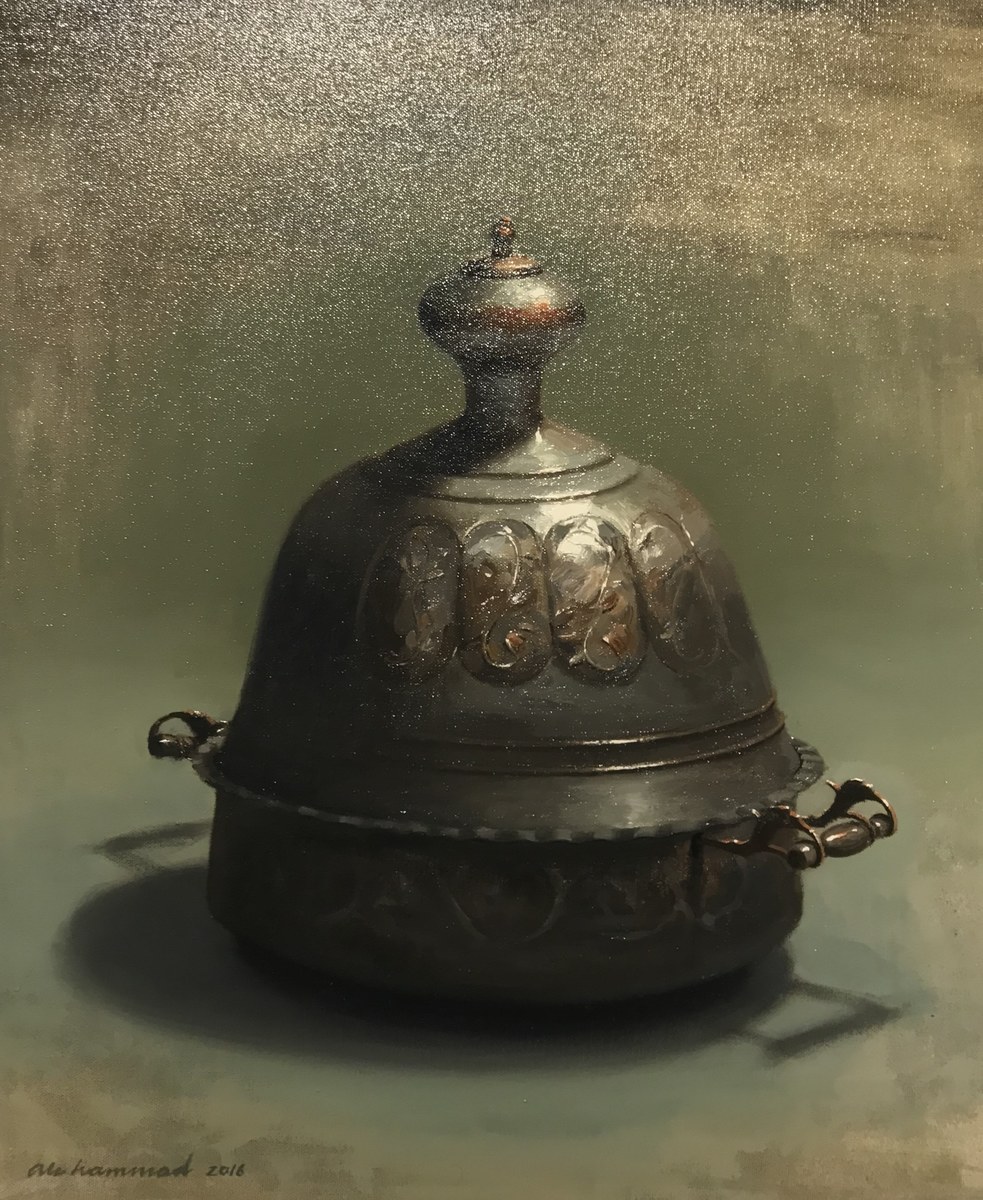


Ali Hammad's still life displayed at Studio Seven Gallery in Dubai. (Photo courtesy of Studio Seven Gallery Dubai)

“A thousand things inspire me, simple things such as light and shadow works,” he said. But he also draws inspiration from his daily meetings people of different walks of life.
Hammad’s artistic roots, however, are in the past. He cherishes the old masters of realism.
“There are every few people in Pakistan and in the UAE who work on realism and philosophy of the masters … I am more interested in what happened in the past,” he said, adding that he is also trying to spark interest in the realistic style among his students.
“Remembrance,” which is curated by one of the gallery’s directors, interior designer Iftikhar Chohan, has been met with an enthusiastic response from art lovers.
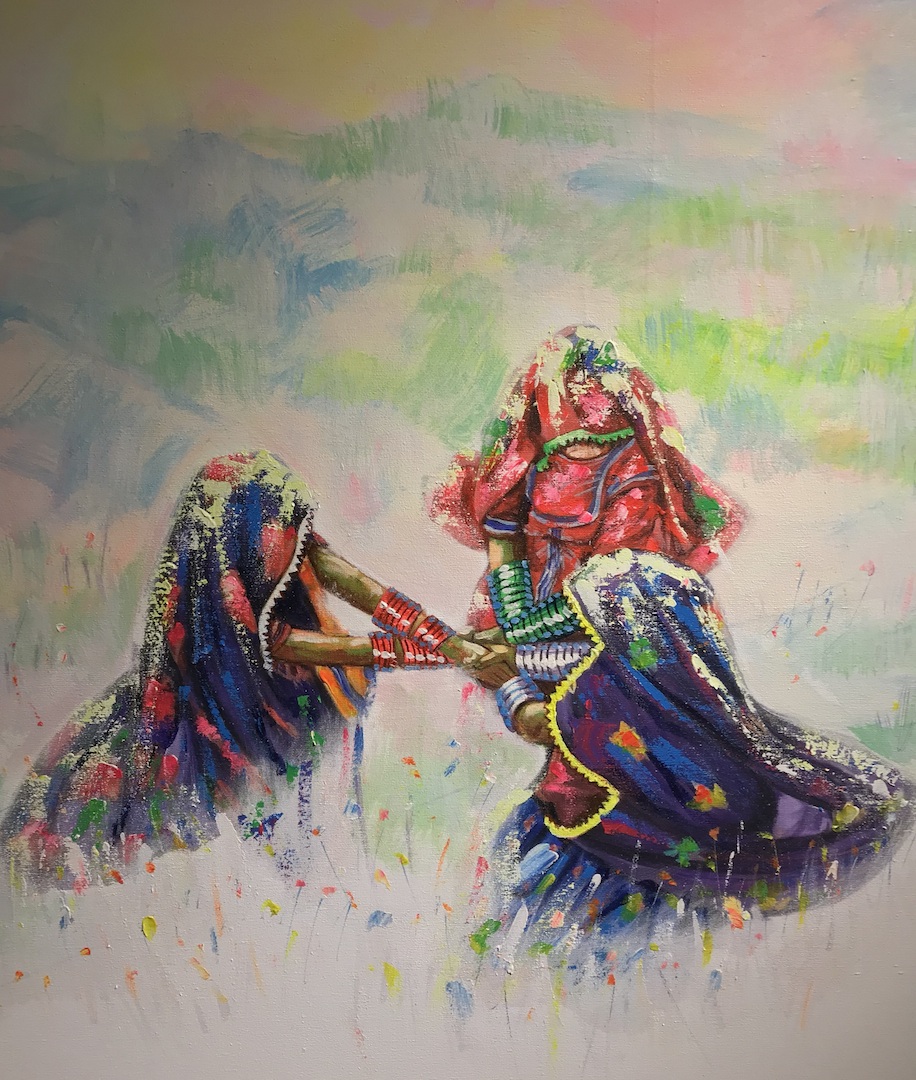


Hussain Chandio's work on display at Studio Seven Gallery in Dubai. (Photo courtesy of Studio Seven Gallery Dubai)

Another director of the gallery, Jamal Firozy, said they were overwhelmed by how well the Pakistani artists have been received, which also helps to create “a very positive image of the country.”
Studio Seven Gallery is located in Business Bay, Oxford tower, 803.


Pakistan’s Mahnoor Omer named among TIME’s ‘Women of the Year’ for 2026

Updated 01 March 2026
Follow

Pakistan’s Mahnoor Omer named among TIME’s ‘Women of the Year’ for 2026

  • Omer moved a Pakistani court against the so-called ‘period tax’ in Sept. 2025 which has since sparked a national debate
  • Taxes on sanitary pads in Pakistan can add up to 40 percent to retail price, UNICEF says only around 12 percent women use such products

ISLAMABAD: Pakistani women’s rights activist Mahnoor Omer, who fought against taxes on menstrual products, has been named among the TIME magazine’s ‘Women of the Year’ for 2026.

Omer’s efforts have been recognized alongside 16 activists, artists, athletes and businesswomen in the TIME’s Women of the Year 2026 list, including Olympic gold medalist Sydney McLaughlin-Levrone and Oscar-nominated filmmaker Chloe Zhao.

Dissatisfied with the efforts to educate Pakistani girls about sexual violence, Omer founded the Noor Foundation at the age of 14 and held her own workshops with village girls about everything from climate change to menstruation, according to the TIME magazine.

Two years later, a conversation with a domestic worker about the price of pads made her realize that not everyone could afford these essentials. She moved a court against the so-called “period tax” in Sept. 2025 and the case has sparked a national debate on the subject, considered a taboo by many in Pakistan, since its first hearing late last year.

“A decade and one law degree after her interest in activism was sparked, Omer, now 25, is putting her passion and expertise to work in the name of gender equity,” TIME wrote about Omer on its website.

Taxes imposed on sanitary products in Pakistan can add up to 40 percent to the retail price. UNICEF estimates just 12 percent of women in the country use commercially produced pads or tampons. The alternative, using cloth, risks health impacts including rashes and infections, and can make it impossible for girls to attend school while menstruating.

Omer’s suit, which awaits the government response, has sparked a national discussion. She says she spoke about menstruation to her father and male cousins, who thanked her for standing up for their daughters.
The 25-year-old, who is currently enrolled in a master’s degree in gender, peace, and security at the London School of Economics, sees this case as just the first of many.

“I’m not free until every woman is free,” she was quoted as saying by TIME. “I want to leave no stones unturned in terms of what I can do with the next few decades, as a lawyer for the women in my country and gender minorities in general.”