

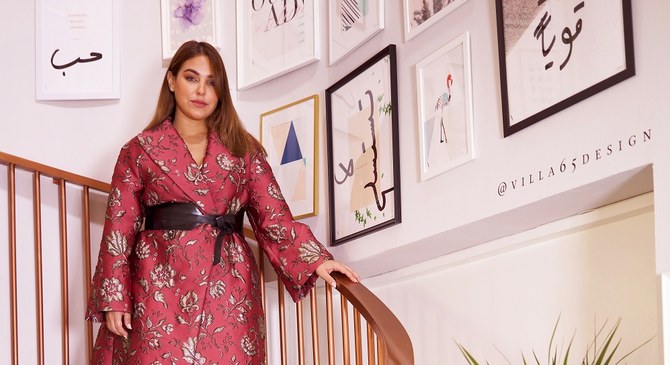

DUBAI: In recent seasons, international labels have been making strides toward being more inclusive in their shows by casting a diverse lineup of models of all ethnicities and body types — and our region appears to be following suit.
The latest edition of Fashion Forward Dubai featured two curvy Arab models, who both live in Dubai, on the glittering runways.
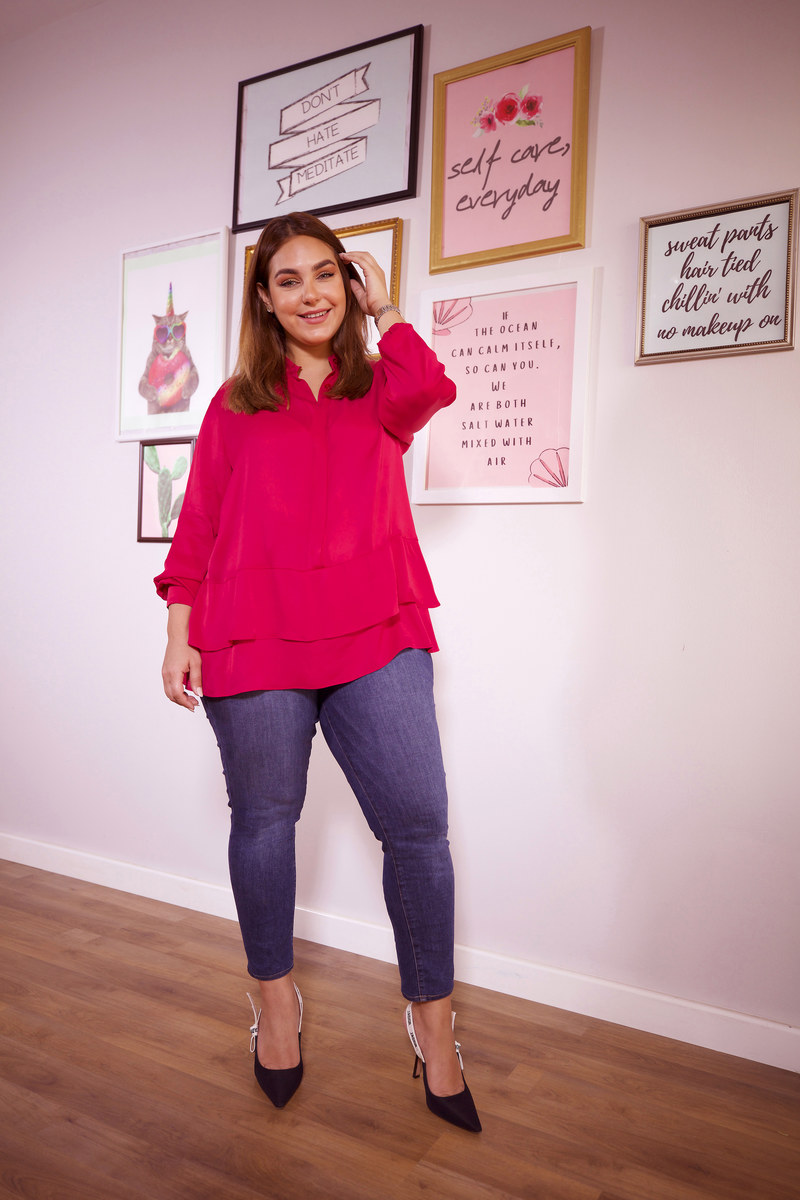
Ghaliah is one of the first curvy models to emerge from the region. Photographed by Arab News at Tania's Teahouse in Dubai
Among them was Ghaliah Amin, dubbed the first Saudi body positive model, who was handpicked by fashion house Reemami in an effort to be more inclusive.
“People are excited to see diversity on the runway and in the fashion industry,” the model and television presenter shared with Arab News, adding, “It was so satisfying to see this scale of acceptance in our region and I hope for it to continue.”
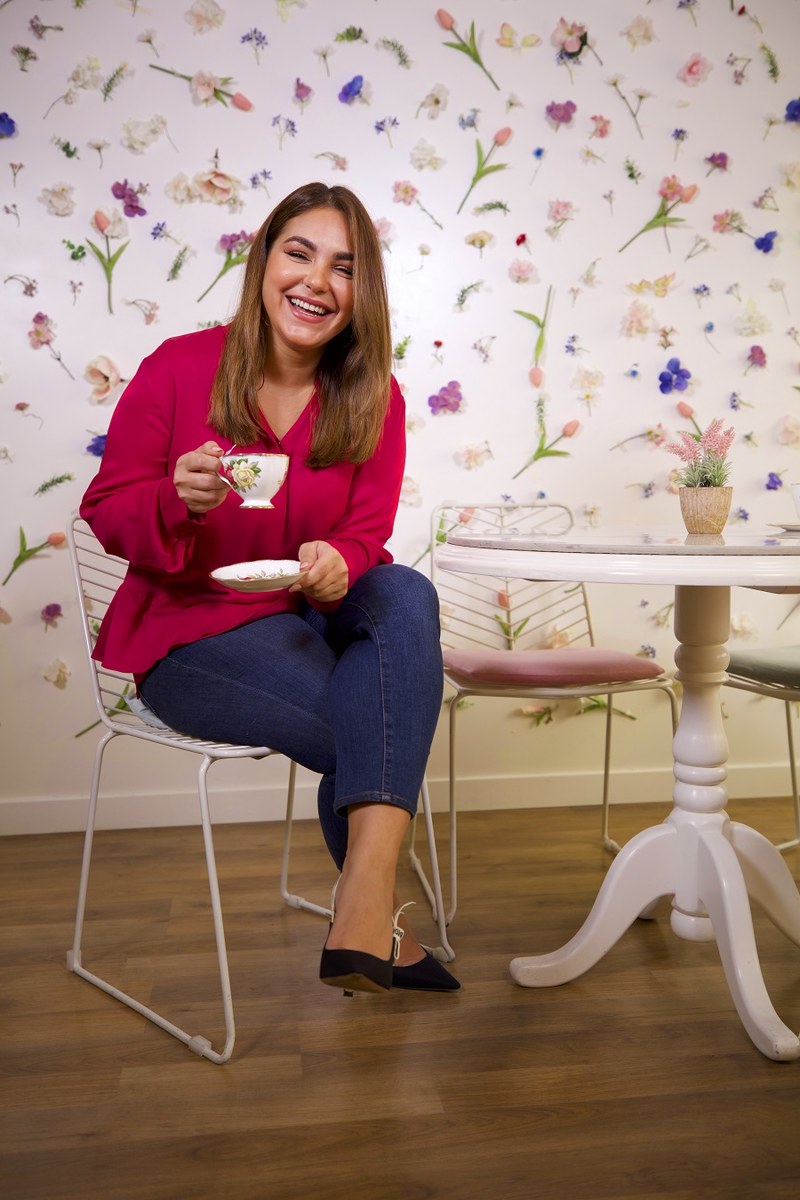
Ghaliah made her first foray into fashion in 2018. Photographed by Arab News at Tania's Teahouse in Dubai
While it’s more common to see size diversity on New York runways, which offer opportunities for multiple talents to shine, such as Ashley Graham, Candice Huffine and Lauren Chan to name a few, Amin, alongside Tunisian-born beauty Ameni Esseibi, is one of the first plus-sized models to emerge from the Middle East.
She believes that it’s because “the culture and traditions of the Middle East see the profession as taboo.”
However, she is grateful to be one of the first to carve out a fashion niche, in which she hopes many underrepresented women can fit. The model’s intentions are for Arab women to feel more comfortable with all body types that aren’t of the size zero variety and to “understand that their curves are what set them apart from the rest of the world.

She has worked with 11Honore, Marina Rinaldi and Good American. Photographed by Arab News at Tania's Teahouse in Dubai
“Growing up, I noticed from an early age that the fashion world and high-end brands only associated themselves with a certain body type,” the barrier-breaking model shares of never seeing a version of herself on international runways.
“This made me feel self-conscious as a child,” Amin shared. “This is why I make it a point to represent curvier women and help them realize that anyone can look and feel beautiful, despite their body type.”

The model’s intentions are for Arab women to feel more comfortable with all body types. Photographed by Arab News at Tania's Teahouse in Dubai
Since making her foray into fashion in 2018, she has worked with 11 Honoré, a retail platform that offers plus-size pieces from high-end designers, in addition to Marina Rinaldi, a womenswear label that churns out clothing specifically tailored toward the voluptuous trend-setter, in addition to Khloe Kardashian’s Good American brand.
She also launched a social media initiative in 2018 entitled “Ana Ghalia,” which translates to “I am precious,” that aims to promote body positivity and embrace inclusion.


