

JEDDAH: Cafes are a booming industry in the Kingdom. With many cafes competing with each other, Saudi barista, cafe owner and coffee specialist Sara Al-Ali aims to give her customers a unique experience by reintroducing Turkish coffee and adding a special item to her brewing menu: Brazilian coffee beans.
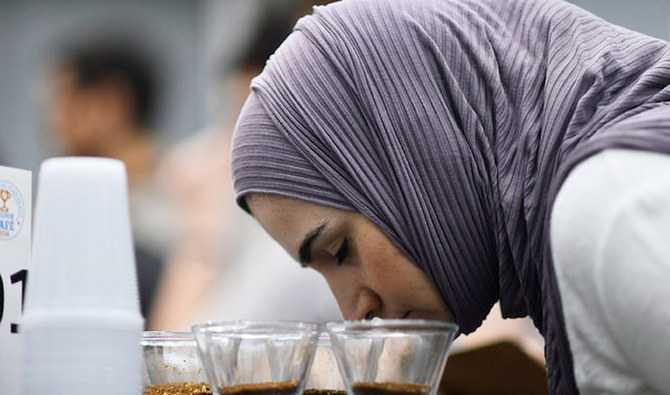
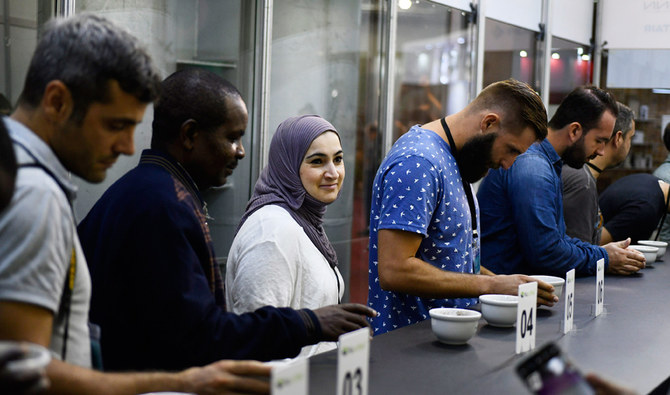
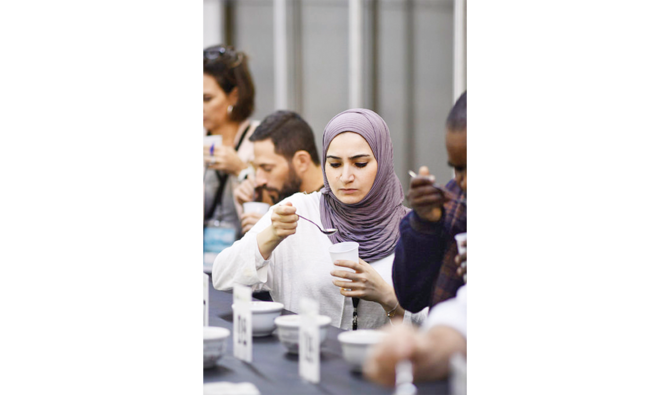
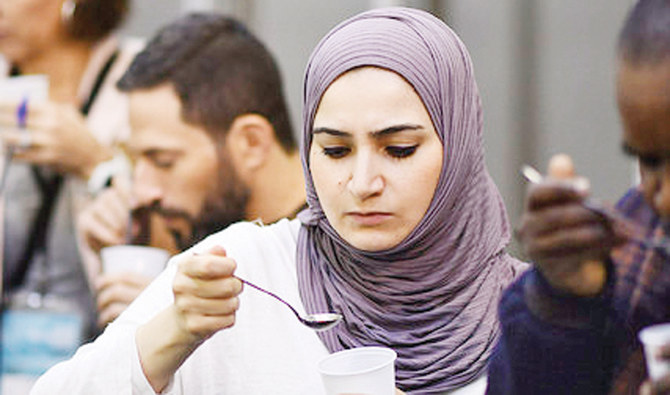
Al-Ali went to Brazil as part of an origin trip organized by the Specialty Coffee Association and attended the International Coffee Week in 2018.
“As a coffee professional and a person who’s really passionate about coffee, I had a dream to visit a coffee plantation at least once in my life. I had so many options and it never worked, so I thought to myself I had to choose one origin trip, and I thought Brazil should be on the list because it is one of the biggest producers of coffee in the world, so it’s a must,” she told Arab News.
“I got to know people from around the world, we were sharing stories about our culture and coffee, I also met coffee producers from Guatemala, Kenya and Nicaragua, also roasters, baristas and cafe owners and people who are interested in coffee. It was an amazing opportunity to share my knowledge and my expertise and learn from these people, and of course making new coffee friends,” she added.
Al-Ali and her group were invited to many sessions that were led by big names in the coffee industry such as Flavio Borem and Gabriela Sanchez.
“They were very informative, we learned a lot about the research that’s going on in the coffee industry and what they have to add to the coffee industry and to the world, not only in Brazil.”
Al-Ali said she was well-received by the coffee community in Brazil: “They were very welcoming and friendly. They were interested to know more about Saudi culture, specifically about coffee, our habits and what coffee we usually drink and if we have tried Brazilian coffee. I assured them that we have Brazilian coffee everywhere in Saudi Arabia.”
Coffee brings communities together, she explained: “I was communicating with many people who didn’t speak English and I didn’t speak a word in Portuguese but we managed with some of my French and Spanish to communicate and get along. I really don’t know how but I believe it’s the coffee language. Everybody speaks coffee.
“Most of the Brazilian coffee here in Saudi Arabia has classic chocolaty, nutty flavors. So when I tried coffee that was exotic and aromatic, I was amazed. It was a wonderful experience, it really changed the way I think about Brazilian coffee.”
Al-Ali competed in the MENA Cezve/Ibrik Championship in 2016 in Dubai and won 2nd place, and then competed in the World Cezve/Ibrik Championship in Budapest, Hungary in 2017 and won 6th place.
“It is one of the oldest methods of preparation, we call to here locally as Turkish coffee, and many people here use Brazilian or Colombian coffee for this specific preparation method.”
She said her aim was always to reintroduce Turkish coffee and apply quality standards.
BACKGROUND
Sara Al-Ali went to Brazil as part of an origin trip organized by the Specialty Coffee Association and attended the International Coffee Week in 2018.
“I have a cafe now in Abu Dhabi, UAE (Oosh Cafe). We are reintroducing Turkish coffee in a more contemporary way and applying quality standards.
“I’m using different beans to give people the opportunity to try a new experience because many people regard Turkish coffee as a primitive way of brewing or very traditional and I want to show people that we can use really good quality beans and we can have an amazing experience with Turkish coffee.”
She uses coffee from Yemen, Costa Rica, Panama and Ethiopia “and also what I found was many people are asking for Brazilian coffee. In November, I will introduce Brazilian coffee which I buy from a local roastery.”
Al-Ali’s goal is to improve coffee experiences locally and worldwide, and with her position as a coffee professional and a cafe owner and trainer, many people see her as an icon in the field.
“I have the responsibility to showcase the efforts that the farmers are putting in to give us this wonderful product. I would love to make coffee more approachable to the younger generation and make people rethink their choices and to enjoy coffee from different parts of the world.
“Brazillian coffees are one of the coffees that are a must in any cafe. They go along very well with milk-based drinks and I like them in Turkish coffee, so they are a must in my cafe.”


