

Anti-government protesters turn shipping containers into makeshift shelters

1 / 8
Shipping containers, authorities put close of the protest area are now being used as protesters temporary shelter.  November 06, 2019 (AN Photo by Saba Rehman)
2 / 8
At entry point of sit-in walk through scanners were placed for the security. November 06, 2019 (AN Photo by Saba Rehman)
3 / 8
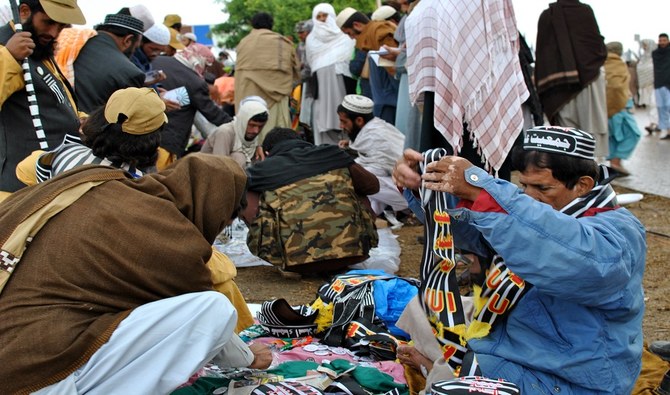
Vendor selling JUI-F Badges, caps and other items. November 06, 2019 (AN Photo by Saba Rehman)
4 / 8
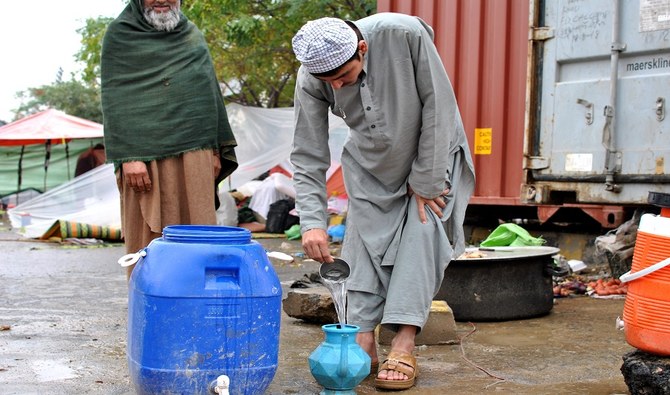
A young boy getting water for ablution. November 06, 2019 (AN Photo by Saba Rehman)
5 / 8
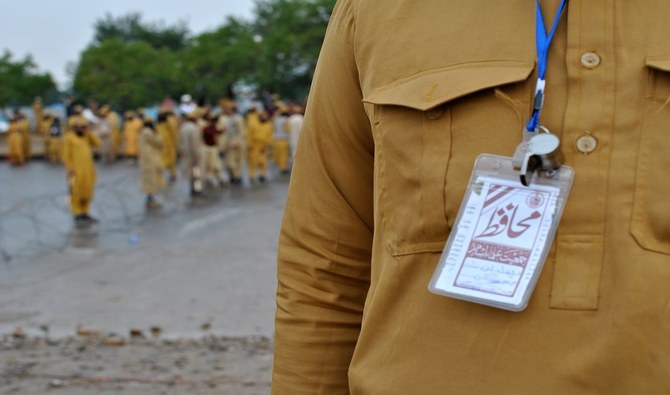
Badge of JUI-F worker who is the volunteer of his party’s security wing. November 06, 2019 (AN Photo by Saba Rehman)
6 / 8
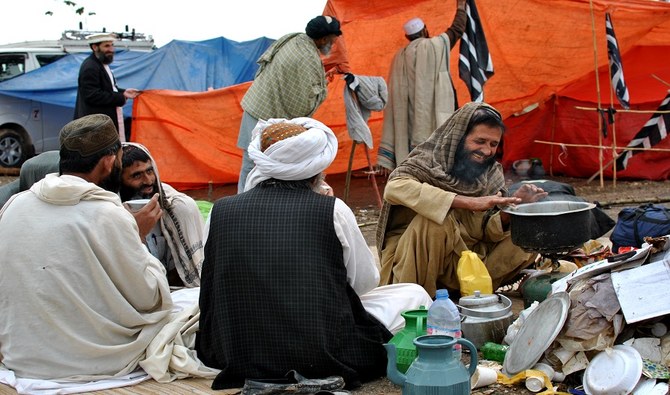
During the free time protestors are making tea to keep themselves warm in this cold weather. November 06, 2019 (AN Photo by Saba Rehman)
7 / 8
Protesters gathering what needs for setting up tents. November 06, 2019 (AN Photo by Saba Rehman)
8 / 8
Vendor selling JUI-F Badges, caps and other items. November 06, 2019 (AN Photo by Saba Rehman)
Updated 07 November 2019
Follow

Anti-government protesters turn shipping containers into makeshift shelters

  • Thousands of anti-government demonstrators have camped in Islamabad for almost a week demanding the PM to step down
  • Cold weather and heavy rains pushed the protestors to take shelter in shipping containers placed to block roads

ISLAMABAD: Thousands of anti-government protesters camped in the federal capital seeking prime minister’s resignation have turned the shipping containers, placed by authorities to block their route, into makeshift shelter houses.


Participants of sit-in busy in shopping some handicrafts. November 06, 2019 (AN Photo by Saba Rehman)


Water tankers were placed to make sure supply of water to protesters. November 06, 2019 (AN Photo by Saba Rehman)

The capital city’s cold weather and heavy rains coupled with a deadlock between the government and the protest leaders have led to a unique trend among the protesters.


Bonfire to fight the chilling weather as people waiting for their leader speech. November 06, 2019 (AN Photo by Saba Rehman)


Leaders of JUI-F are addressing gathering from well-equipped container. November 06, 2019 (AN Photo by Saba Rehman)

Firebrand religious-politico leader, Maulana Fazlur Rehman, arrived in Islamabad on October 31with thousands of his supporters adamant to make the premier step down.


Workers of Ansar ul Islam a volunteer group of JUI-F at the venue. November 06, 2019 (AN Photo by Saba Rehman)

The government subsequently placed hundreds of containers to block key routes leading to sensitive installations as well as containing the protesters within the area specified for demonstration. These large cabins ended up serving as shelters, makeshift kitchens, tea stalls, and even shops for selling promotional material for the demonstrators.


Police force and personnel of other law enforcement agencies were also deployed for security. November 06, 2019 (AN Photo by Saba Rehman)


 Protestors are listening to the speeches of their leadership, November 06, 2019 (AN Photo by Saba Rehman)


Vender selling green tea at venue of sit-in. November 06, 2019 (AN Photo by Saba Rehman)
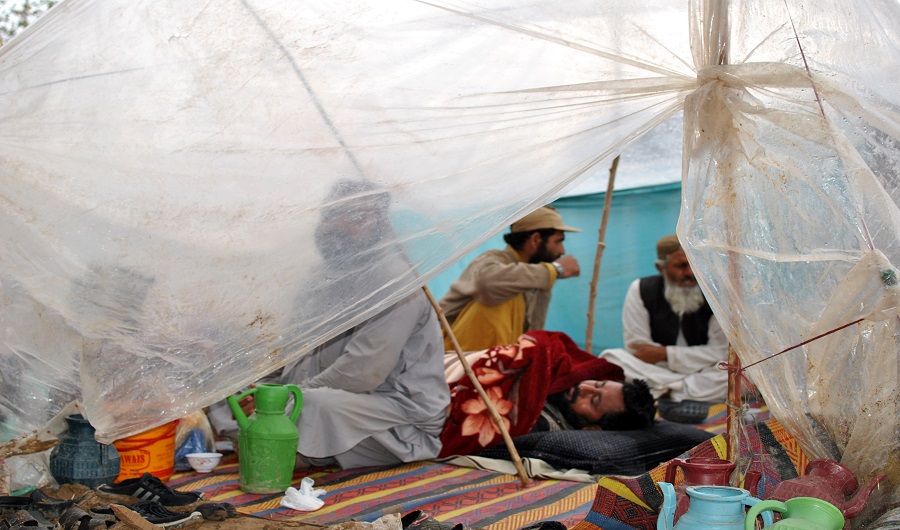


Temporary shelter by some protestors to counter rain, November 06, 2019 (AN Photo by Saba Rehman)

The daily life of these protesters void of vital utilities in a city mostly alien to them is a challenge every day.


Police in Pakistan’s Karachi say 71 of 75 extortion cases traced as businesses complain of threats

Updated 20 December 2025
Follow

Police in Pakistan’s Karachi say 71 of 75 extortion cases traced as businesses complain of threats

  • Builders told provincial authorities this week extortion calls were traced to numbers operating from abroad
  • Police say 128 suspects were identified, with 91 arrested and six killed in encounters during investigations

ISLAMABAD: Police in Karachi said on Saturday they traced 71 of 75 confirmed extortion cases this year, arresting 91 suspects and killing six in encounters, amid complaints from businesses about rising threats in Pakistan’s commercial hub.

The disclosure follows recent complaints by builders and developers who told provincial authorities that extortion demands had increased in Karachi, with some calls traced to numbers operating from abroad, prompting assurances of tougher enforcement by the Sindh government.

“In 2025, a total of 171 extortion cases were registered, of which 75 were confirmed as genuine extortion,” police said in a statement. “Of these 75 cases, 71 were traced, representing a 95 percent trace rate.”

According to the report released by the Special Investigation Unit (SIU) of the Crime Investigation Agency (CIA) Karachi, the remaining 96 cases initially registered as extortion were later found to be linked to financial disputes, land and plot conflicts, personal matters, fights and other non-extortion-related disagreements.

Police said 128 suspects were identified in the confirmed extortion cases. Of these, six were killed in encounters with the SIU, while 14 others were arrested in injured condition during operations.

A total of 91 suspects were arrested over the course of the year, the statement said, adding that crackdowns against extortion would continue.

Karachi, Pakistan’s largest and most populous city, is the country’s financial and commercial capital, accounting for a significant share of national revenue, trade and industrial activity.

The city has long struggled with crime, political violence and organized criminal networks, with members of the business community repeatedly warning that extortion poses a persistent threat to investment and economic stability.