

Anti-government protesters turn shipping containers into makeshift shelters

1 / 8
Shipping containers, authorities put close of the protest area are now being used as protesters temporary shelter.  November 06, 2019 (AN Photo by Saba Rehman)
2 / 8
At entry point of sit-in walk through scanners were placed for the security. November 06, 2019 (AN Photo by Saba Rehman)
3 / 8
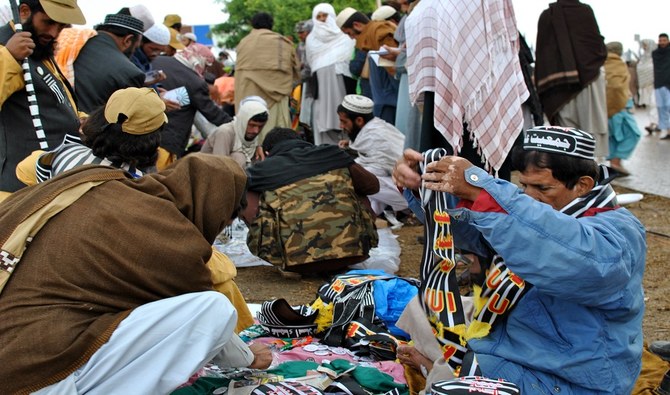
Vendor selling JUI-F Badges, caps and other items. November 06, 2019 (AN Photo by Saba Rehman)
4 / 8
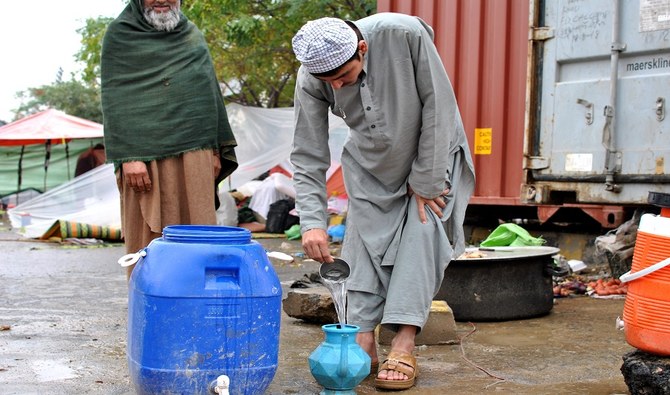
A young boy getting water for ablution. November 06, 2019 (AN Photo by Saba Rehman)
5 / 8
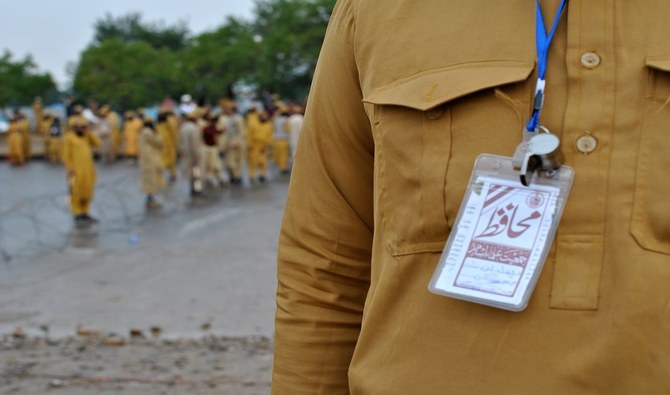
Badge of JUI-F worker who is the volunteer of his party’s security wing. November 06, 2019 (AN Photo by Saba Rehman)
6 / 8
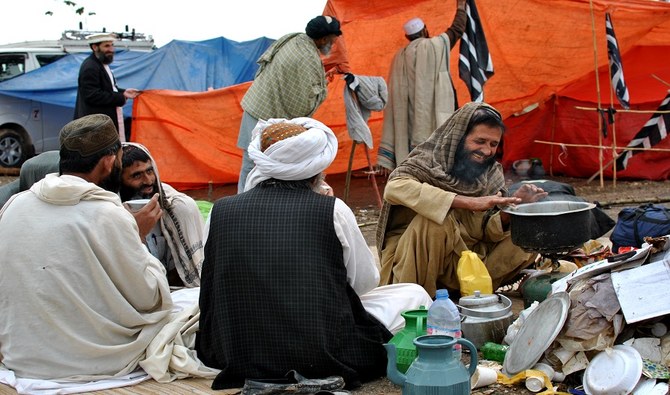
During the free time protestors are making tea to keep themselves warm in this cold weather. November 06, 2019 (AN Photo by Saba Rehman)
7 / 8
Protesters gathering what needs for setting up tents. November 06, 2019 (AN Photo by Saba Rehman)
8 / 8
Vendor selling JUI-F Badges, caps and other items. November 06, 2019 (AN Photo by Saba Rehman)
Updated 07 November 2019
Follow

Anti-government protesters turn shipping containers into makeshift shelters

  • Thousands of anti-government demonstrators have camped in Islamabad for almost a week demanding the PM to step down
  • Cold weather and heavy rains pushed the protestors to take shelter in shipping containers placed to block roads

ISLAMABAD: Thousands of anti-government protesters camped in the federal capital seeking prime minister’s resignation have turned the shipping containers, placed by authorities to block their route, into makeshift shelter houses.


Participants of sit-in busy in shopping some handicrafts. November 06, 2019 (AN Photo by Saba Rehman)


Water tankers were placed to make sure supply of water to protesters. November 06, 2019 (AN Photo by Saba Rehman)

The capital city’s cold weather and heavy rains coupled with a deadlock between the government and the protest leaders have led to a unique trend among the protesters.


Bonfire to fight the chilling weather as people waiting for their leader speech. November 06, 2019 (AN Photo by Saba Rehman)


Leaders of JUI-F are addressing gathering from well-equipped container. November 06, 2019 (AN Photo by Saba Rehman)

Firebrand religious-politico leader, Maulana Fazlur Rehman, arrived in Islamabad on October 31with thousands of his supporters adamant to make the premier step down.


Workers of Ansar ul Islam a volunteer group of JUI-F at the venue. November 06, 2019 (AN Photo by Saba Rehman)

The government subsequently placed hundreds of containers to block key routes leading to sensitive installations as well as containing the protesters within the area specified for demonstration. These large cabins ended up serving as shelters, makeshift kitchens, tea stalls, and even shops for selling promotional material for the demonstrators.


Police force and personnel of other law enforcement agencies were also deployed for security. November 06, 2019 (AN Photo by Saba Rehman)


 Protestors are listening to the speeches of their leadership, November 06, 2019 (AN Photo by Saba Rehman)


Vender selling green tea at venue of sit-in. November 06, 2019 (AN Photo by Saba Rehman)
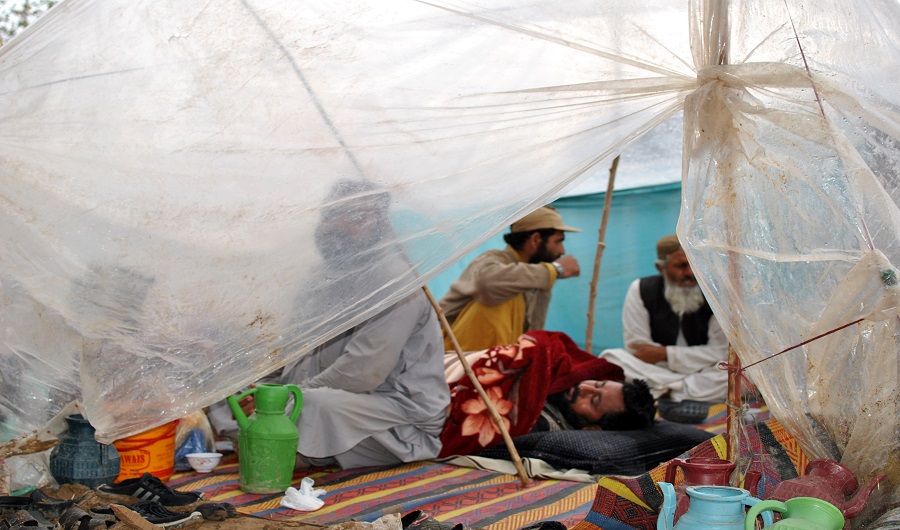


Temporary shelter by some protestors to counter rain, November 06, 2019 (AN Photo by Saba Rehman)

The daily life of these protesters void of vital utilities in a city mostly alien to them is a challenge every day.


Pakistani president arrives in Iraq to deepen trade, energy cooperation

Updated 20 December 2025
Follow

Pakistani president arrives in Iraq to deepen trade, energy cooperation

  • Visit follows recent high-level contacts as Islamabad seeks to expand limited commercial ties with Baghdad
  • Talks are expected to cover investment, manpower and facilitation of Pakistani pilgrims visiting holy sites in Iraq

ISLAMABAD: President Asif Ali Zardari arrived in Iraq on Saturday on an official visit aimed at expanding cooperation in trade, energy and investment, as Pakistan seeks to deepen ties with Baghdad after years of limited engagement.

Pakistan and Iraq established diplomatic relations in 1947 and have traditionally maintained cordial ties, though commercial links remain modest, with officials and business groups identifying scope for cooperation in construction services, pharmaceuticals, manpower and agricultural exports.

“President Asif Ali Zardari arrived in Baghdad on a four-day official visit to Iraq,” his office said in a post on X. “He was received by Culture Minister Dr. Ahmed Fakkak Al-Badrani. During the visit, meetings with senior Iraqi leadership are expected to advance cooperation and further strengthen Pakistan-Iraq relations.”

Zardari’s visit follows a series of recent high-level contacts between the two countries, reflecting efforts to broaden bilateral engagement beyond traditional diplomatic ties and explore collaboration across economic, political and people-to-people domains.

According to Pakistan’s foreign office, the president is expected to hold meetings with Iraq’s senior leadership to discuss cooperation in various areas such as trade and investment, energy, technology, education and manpower.

He is also expected to discuss regional and international issues with Iraqi officials.

Earlier this month, Pakistan’s Interior Minister Mohsin Naqvi met his Iraqi counterpart, Abdul Ameer Al-Shammari, on the sidelines of meetings in Brussels, where both sides agreed to enhance cooperation on security and facilitate travel for Pakistani Shia pilgrims to Najaf and Karbala.

The two officials discussed measures to ensure the smoother movement of these pilgrims and their compliance with visa regulations.