

Louvre Abu Dhabi to showcase 10,000 years of luxury through fashion, art, jewelry

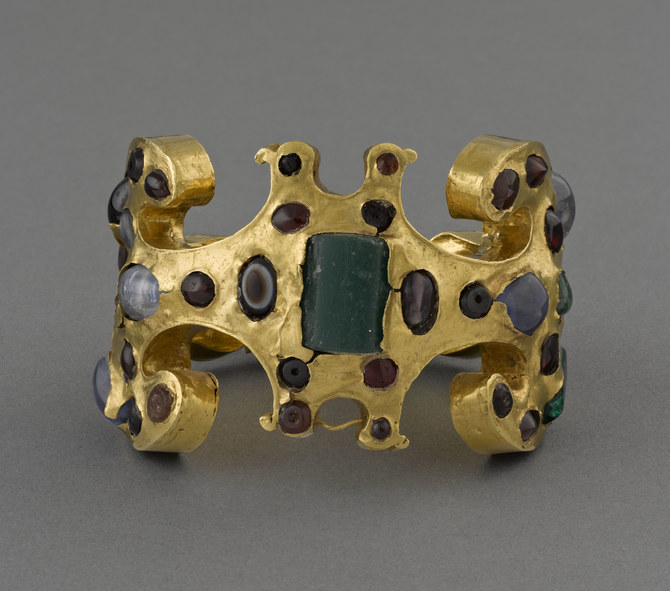
This inlaid bracelet was found at the necropolis of Yahmur in Syria during the third century. (Supplied)
Updated 28 October 2019
Follow

Louvre Abu Dhabi to showcase 10,000 years of luxury through fashion, art, jewelry

DUBAI: The UAE’s Louvre Abu Dhabi will open “10,000 Years of Luxury,” an exhibition that will explore the multifaceted nature of luxury from ancient times to the present day, on Oct. 30.  

During the exhibition, which will run until Feb. 18, visitors can discover luxury through fashion, jewelry, visual art, furniture and design, with collections from international institutions and brands.
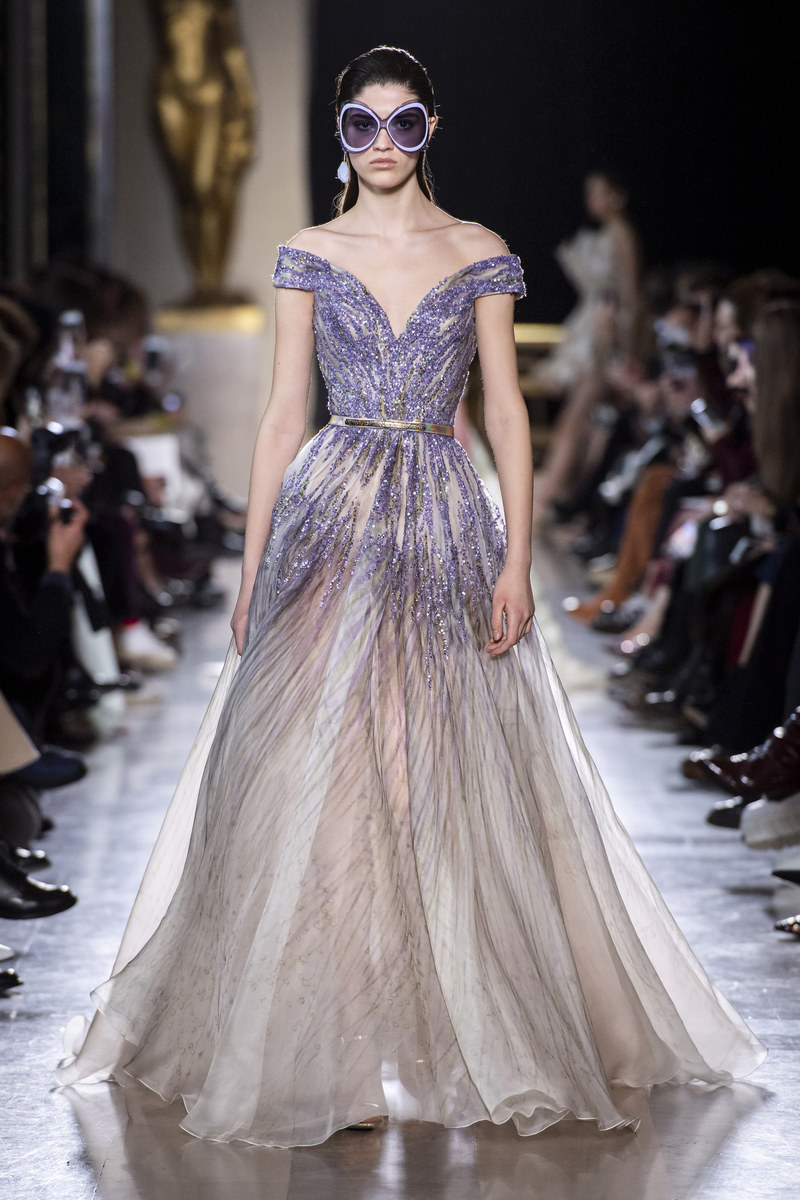


The Elie Saab dress is from the Spring/Summer 2019 collection. (Supplied)

Among the 350 objects displayed lies the oldest pearl in the world and the renowned “Boscoreale Treasure” — one of the largest collections of silverware preserved from Roman Antiquity. The show will feature dresses and jewelry from design houses such as Cartier, Maison Van Cleef & Arpels, Chanel, Christian Dior, Elie Saab and Yves Saint Laurent.
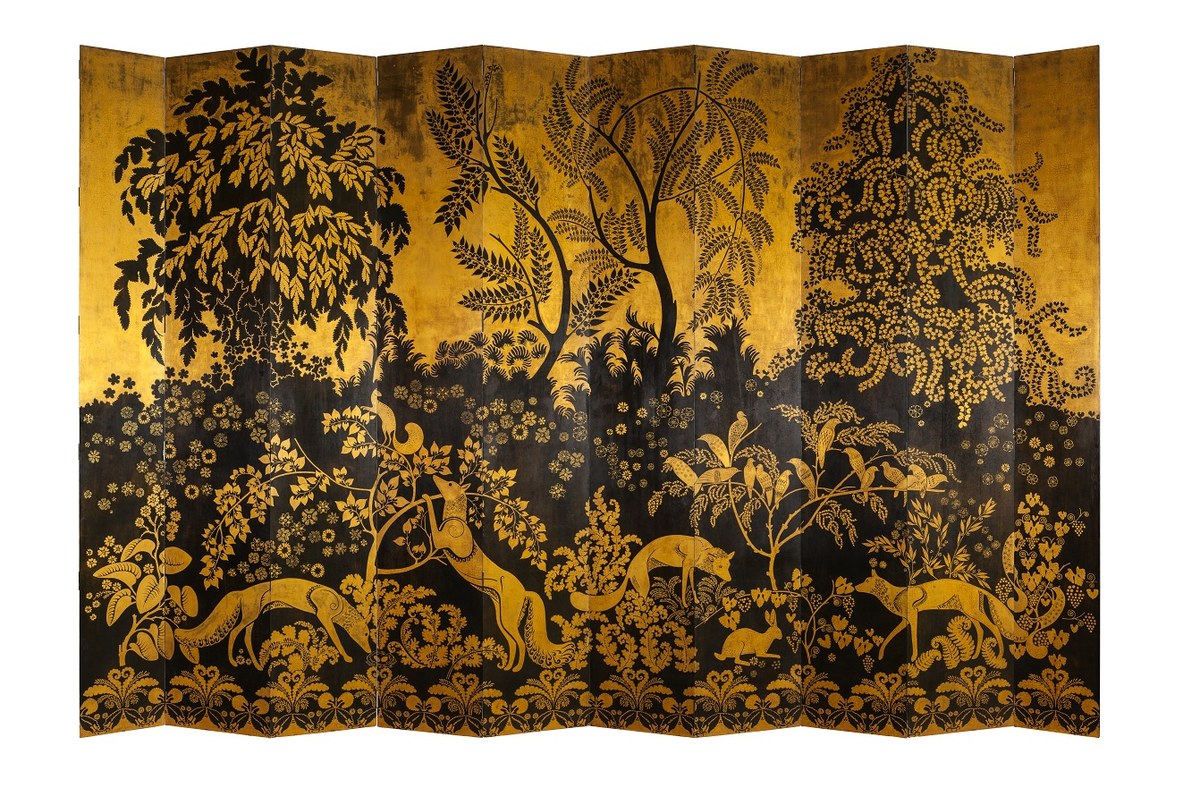


The “Ten-leaved Screen Foxes” was a gift of Prince Louis de Polignac, with the agreement of Yves Lanvin, in memory of Countess Jean de Polignac.(Supplied)

Visitors will begin their journey through the history of luxury in Antiquity. Luxury objects of this time were often characterized by their rarity, precious materials or skillful production, exemplified by an Egyptian gold “Necklace with Fish Pendants” (ca. 1550-1069 BCE). A variety of typical luxury objects from this time will also be on display, including precious home décor as well as personal jewelry.

Louvre Abu Dhabi will also premiere the interactive installation “Digital Snow Globes,” from Dec. 12 to Jan. 10, which will bring a festive winter spirit to the museum with visitor-activated snowstorms surrounding large-sized reproductions of artworks from “10,000 Years of Luxury” encased in snow globes.


Draped in history, Saudi fashion designers look to the future

Updated 22 February 2026
Follow

Draped in history, Saudi fashion designers look to the future

  • Saudi designers are reimagining the Kingdom’s heritage through modern fashion

RIYADH: The fast-growing fashion industry in Saudi Arabia is looking through the lens of history and heritage to produce clothing draped in the history of traditional garb worn during the time of the Kingdom’s founding.

At the Saudi Cup on Feb. 13, a number of designers showcased their couture inspired by the country’s rich history.

Saudi designer Fahda Al-Battah, one of the minds behind brand Adara by Fa alongside Abeer Al-Moammar, spoke to Arab News about their debut collection “Journey Through Time.”

Saudi designers showcased their couture inspired by the Kingdom’s rich history at the recent Saudi Cup in Riyadh, which is becoming  a hotspot for the latest styles. (Supplied)

The emerging brand’s collection was designed with the intention of displaying the country’s diversity.

The collection’s six pieces each represent a region of the Kingdom, either through motifs, symbolism, or patterns that are hand drawn by Al-Battah and her team.

The first dress is heavily inspired by the Qassim and Al-Ahsa regions, and features illustrated scenes of people collecting dates from palm trees and using them in various ways. “It’s a story, basically,” Al-Battah said.

“Heritage must be preserved and if anything new comes up now, we must create new heritage and not replicate the past,”

Amar Al-Amdar, Saudi designer

Another piece uses the patterns and colors that are prominent in the Southern region as motifs, with a backdrop of lush mountains and colorful architecture.

A drapey blue piece is inspired by the coasts of both Jeddah and the Eastern Province. “It's very fluid, even in design,” she said.

Adara by Fa's debut collection "Journey Through Time" highlights the beauty of Saudi Arabia's various regions. (AN photo by Abdulrahman bin Shalhoub)

Two other pieces are inspired by the central Najd region, the designer said, a dark green ensemble with wing sleeves and another white dress, each elevated with decorative pieces resembling a string of dates.

The hero piece is an extravagant gown that displays every part of Saudi Arabia chronologically along the trim, starting with Najd and meshing into the other regions.

“The last dress has each part of Saudis, any culture and heritage, and it unifies us with the sheila (headscarf), which has King Abdulaziz’s quote, ‘We united on the word of monotheism, and so our hearts and lands united,’ which shows unification of us as a whole region,” she said.

MD29, another brand supported by the Fashion Commission, was inspired by the Saudi spirit of hospitality, taking Saudi coffee as a central element in their latest collection. (AN photo by Abdulrahman bin Shalhoub)

“Saudi is very rich in heritage. So, most of the designers right now are looking for a way to identify themselves in the global market and showcase the beauty of what Saudi has.

“Each designer in Saudi is paving the way in a new field, which makes it very exciting and very creative,” Al-Battah said.

ASL Line, for example, was inspired by the lavender found in the heart of the desert. The soul of the plant was translated into a story through stitching and colorful motifs.

“We don’t look for inspiration from far away … we go back to our land,” according to a post on the brand’s social media account.  

MD29, another brand supported by the Fashion Commission, was inspired by the Saudi spirit of hospitality, taking Saudi coffee as a central element in their latest collection.

“You can see in the collection the color variations from the plant to the grind. This time, they wanted to highlight the character more, not just in the silhouettes, but in the fabrics, in the Arab spirit,” Manal Al-Dawood, founder of the brand, told Arab News.

Through their technique of layering the fabric, the prints used in the collection try to show the journey of coffee beans, from the moment they are planted into the earth to making it to the grinding process.

Saudi designer Amar Al-Amdar shared with Arab News his thoughts on the art scene through his experience of being a prominent figure in the industry.

He said: “We are now in phases of focusing on respecting the identity and culture in Saudi designs across all its regions, of course.

“And that’s a beautiful thing, but an important thing to focus on in this phase is that, in the past, when they were working on creating our pieces and wearing these (traditional) designs, that was considered innovation. That was the new look.

“When there was a swift pause on the development of our clothing, our past became heritage. But heritage must be preserved and if anything new comes up now, we must create new heritage and not replicate the past.”

He did not mince words about the wave of amateur designers that are adapting traditional clothing to use as decorative elements for newer, unconventional designs.

“For example, some of the worst things I’ve seen is taking something like the shemagh (scarf) and incorporating it into pants, or taking the agal (headwear) and making it a belt.

“This mix and crossing is wrong. Long ago, when they designed something for the head, it was intended to serve a purpose. It wasn’t decorative,” he said.

He felt it was important to caution novel fashion designers to innovate for the future and not simply look to the past for inspiration, and not create pieces that use heritage as merely a decorative motif.

“We need to form new paths, some renewal. There was a functionality to things, everything served a purpose in its design.

“But when design only becomes shifting a placement of something, that’s the biggest misuse of the original Saudi design … heritage is made to serve a purpose, so if we want to innovate it, it must have a functionality to it,” he said.