

Saudi Arabia’s Al-Ahsa projects highlighted at UNESCO meeting

1 / 14
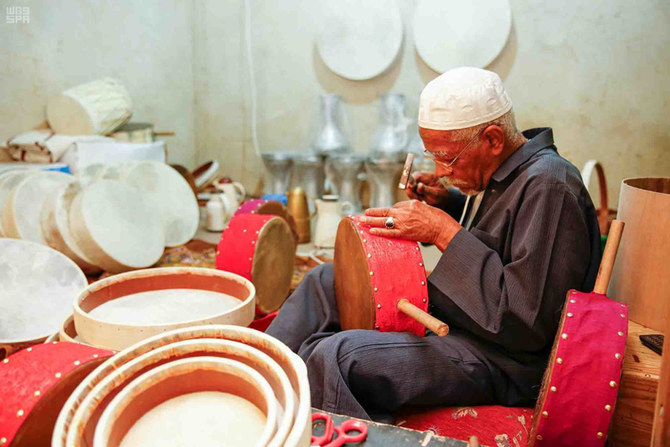
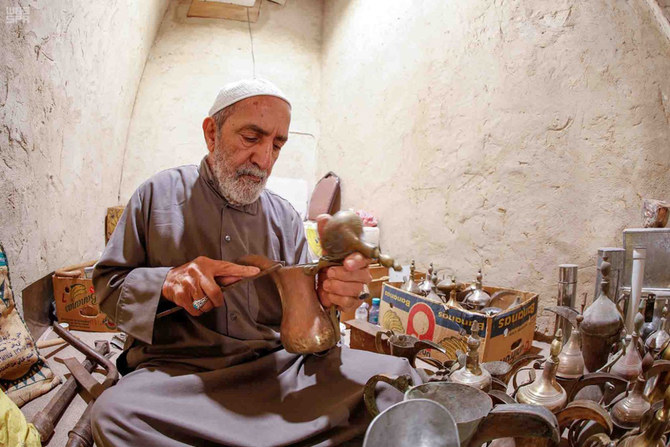
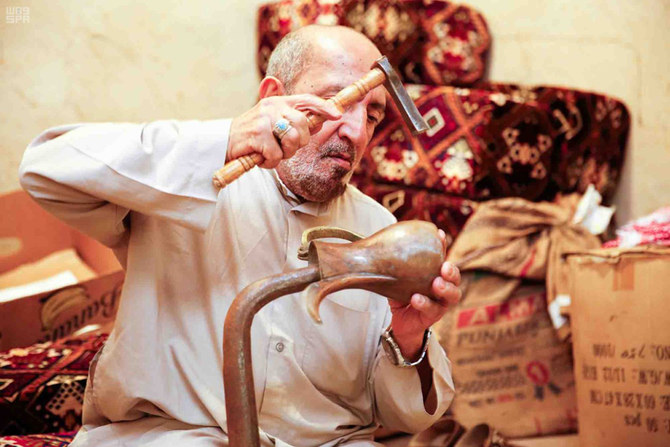
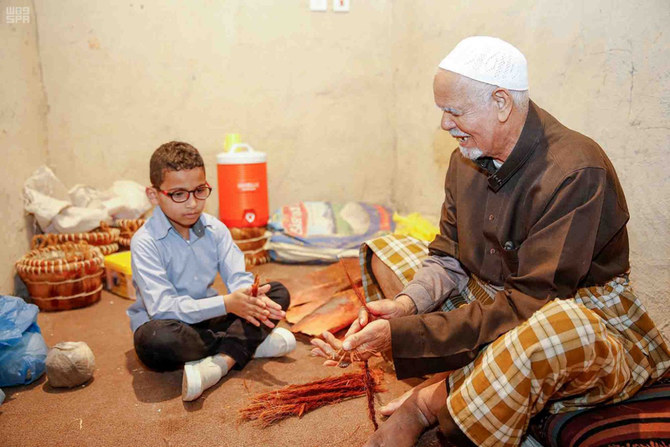
Saudi artisans exhibit their skills during a recent festival in Al-Ahsa. (SPA)
2 / 14
Saudi artisans exhibit their skills during a recent festival in Al-Ahsa. (SPA)
3 / 14
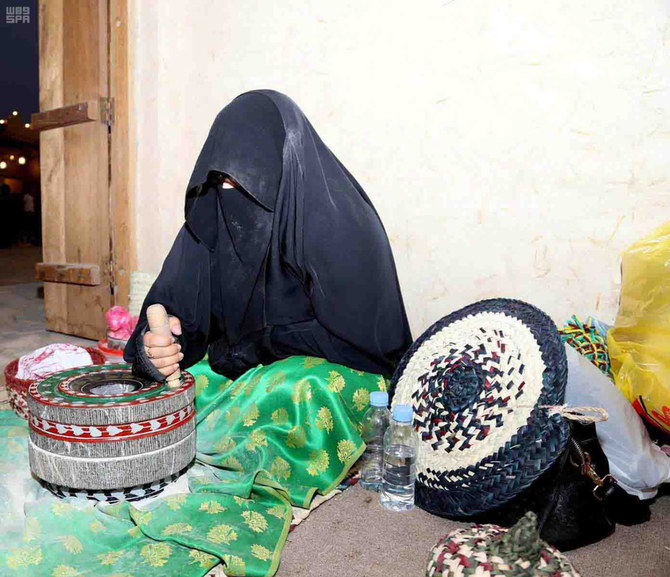
Saudi artisans exhibit their skills during a recent festival in Al-Ahsa. (SPA)
4 / 14
Saudi artisans exhibit their skills during a recent festival in Al-Ahsa. (SPA)
5 / 14
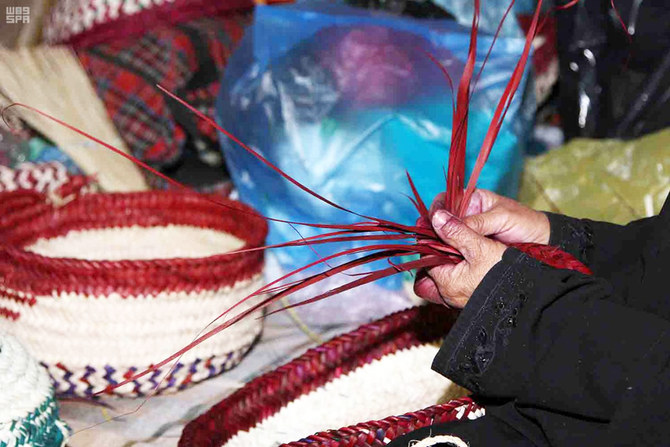
Saudi artisans exhibit their skills during a recent festival in Al-Ahsa. (SPA)
6 / 14
Saudi artisans exhibit their skills during a recent festival in Al-Ahsa. (SPA)
7 / 14
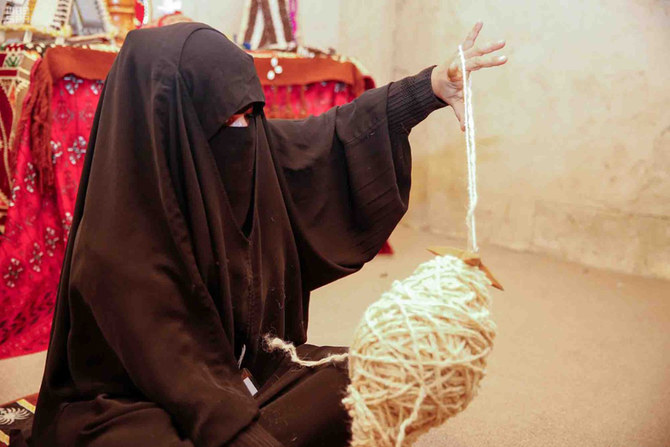
Saudi artisans exhibit their skills during a recent festival in Al-Ahsa. (SPA)
8 / 14
Saudi artisans exhibit their skills during a recent festival in Al-Ahsa. (SPA)
9 / 14
Saudi artisans exhibit their skills during a recent festival in Al-Ahsa. (SPA)
10 / 14
Saudi artisans exhibit their skills during a recent festival in Al-Ahsa. (SPA)
11 / 14
Saudi artisans exhibit their skills during a recent festival in Al-Ahsa. (SPA)
12 / 14
Saudi artisans exhibit their skills during a recent festival in Al-Ahsa. (SPA)
13 / 14
Saudi artisans exhibit their skills during a recent festival in Al-Ahsa. (SPA)
14 / 14
Saudi artisans exhibit their skills during a recent festival in Al-Ahsa. (SPA)
Updated 18 October 2019
Follow

Saudi Arabia’s Al-Ahsa projects highlighted at UNESCO meeting

AL-AHSA: The creative and cultural achievements of Al-Ahsa Oasis were highlighted by its mayor at a UNESCO meeting in Japan, the Saudi Press Agency reported.

Al-Ahsa is widely considered to have the greenest and most fertile land in Saudi Arabia’s Eastern Province, while also housing prominent archaeological and historical sites.

Al-Ahsa Mayor Adel Al-Mulhim, head of the Saudi Creative Al-Ahsa delegation to the annual meeting of the UNESCO Creative Cities Network held in Kanazawa, Japan, provided a detailed presentation on Al-Ahsa’s achievements such as becoming a UNESCO World Heritage Site in 2018, becoming a member of the Creative Cities Network in the field of handicrafts and folk arts in 2015, and being named as Arab Tourism Capital for 2019 by the Arab Ministerial Council for Tourism.

The meeting was attended by Mayor of Kanazawa Yukiyoshi Yamano, along with representatives from 30 countries.

Al-Mulhim reviewed projects and events in Al-Ahsa aimed at promoting cultural activities in line with the creative network’s objectives, which include making cities safer and more sustainable. 
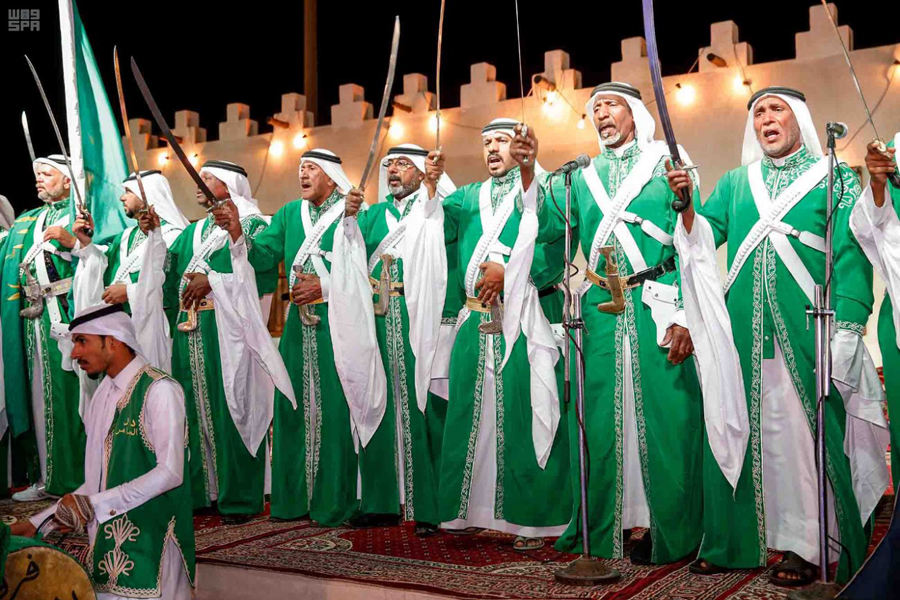


Saudi artists perform a dance number during a recent festival in Al-Ahsa, in the Eastern Povince of Saudi Arabia. (SPA)

He said government support for Al-Ahsa’s heritage and creative sectors had led to a increased public awareness about the importance of culture and creativity in shaping a sustainable city, and achieving the goals of the UNESCO Creative Cities Network to emphasize the role of culture in sustainable urban development.

Al-Mulhim said that Al-Ahsa had several elements that qualified it as a member of the network, a first for the Kingdom and Gulf Cooperation Council states.

“These elements include the cultural depth of Al-Ahsa in the Arabian Gulf region, owning a rich heritage of crafts and folklore, its environmental and social diversity, and having the required infrastructure to actively participate in national, regional and international events,” he told the meeting.


Saudi Arabia champions AI and sustainable growth at UN tourism meeting in Kuwait

Updated 12 February 2026
Follow

Saudi Arabia champions AI and sustainable growth at UN tourism meeting in Kuwait

  • Saudi Tourism Minister says tourism today accounts for approximately 10 percent of the world economy, contributing about $10 trillion to global GDP 

KUWAIT CITY: Saudi Arabia’s Tourism Minister Ahmed Al-Khateeb has called for stronger international cooperation to build a tourism ecosystem that is integrated, resilient, and future-ready, the Saudi Press Agency reported Thursday.

In a opening address at the 52nd UN Tourism Regional Commission for the Middle East in Kuwait City, he noted that tourism is “no longer a peripheral activity but a massive engine of economic development.”

“With an estimated contribution exceeding $10 trillion to global GDP, tourism today accounts for approximately 10 percent of the world economy,” said Al-Khateeb, speaking as president of the 26th UN Tourism General Assembly. The three-day conference opened on Feb. 10.

He pointed to the Middle East’s exceptional recovery, which recorded a 39 percent increase in international arrivals in 2025 compared to 2019, welcoming nearly 100 million visitors last year.

The minister highlighted Saudi Arabia’s driving force behind these regional statistics, noting that the Kingdom now represents approximately 30% of the Middle East tourism market in both visitor numbers and spending.

“We are proud that Saudi tourism’s uninterrupted growth has become a driving force for regional tourism, and we look forward to continuing our close cooperation with UN Tourism to share our expertise with the world,” he said.

Focus on AI

Addressing the meeting’s central theme of Artificial Intelligence (AI), Al-Khateeb emphasized the need for responsible innovation. He described AI as a key enabler for growth but stressed that the “human touch” defining the hospitality sector must be maintained and the workforce protected.

On the sidelines of the regional commission, the minister met with counterparts from across the region to explore ways to promote regional cooperation and alignment to enhance resilience and build tourism industries that can drive inclusive economic and social development.

Al-Khateeb also met with leading investors from Kuwait to discuss investments in the Kingdom’s tourism sector and explore new opportunities to leverage Saudi Arabia’s integrated investment ecosystem, designed to enable regional and international investors to achieve sustainable, long-term value.

The 52nd UN Tourism Regional Commission for the Middle East is the first held in the region since the 26th UN Tourism General Assembly, hosted in Riyadh last November. 

That assembly resulted in the historic “Riyadh Declaration on the Future of Tourism,” which established a global consensus on sustainability, inclusive growth, and the responsible adoption of human-centric AI for the next fifty years.